
Last Updated: September 7, 2026
Table of Contents
- Quick Answer: Best Countries to Study Engineering in Europe (2026)
- Why Study Engineering in Europe? Top 12 Reasons for Indian Students
- Top 10 Countries for Engineering Studies in Europe (2026 Comparison)
- Top 20 Universities for Engineering in Europe (2026 Rankings & Details)
- Popular Engineering Branches to Study in Europe (2026)
- Tuition Fees Comparison: Top 20 European Universities for Engineering (2026)
- Scholarships for Indian Engineering Students in Europe (2026)
- Admission Requirements for Engineering in Europe: GATE, GRE & More
- Career Prospects & Salary After Engineering in Europe (Country-Wise Comparison)
- 10 Common Mistakes Indian Students Make When Applying for Engineering in Europe
- 10 Expert Tips for Indian Students from Saumitra Rajput, Founder, Kadamb Overseas (Ahmedabad)
- Frequently Asked Questions: Engineering in Europe for Indian Students (2026)
- Key Takeaways: Engineering in Europe for Indian Students (2026)
- Ready to Start Your Engineering Journey in Europe? Contact Kadamb Overseas Today
🕑 25 min read
Last Updated: March 2026 — Europe has emerged as the most exciting destination for Indian engineering students seeking world-class technical education, cutting-edge research facilities, and unbeatable career prospects in 2026. With many top European universities offering tuition-free or low-cost Master’s and Bachelor’s programmes in engineering, Indian students now have access to the same institutions that have produced Nobel laureates, pioneered automotive engineering, and built the digital infrastructure of the modern world. This definitive guide compares the best countries, top universities, tuition fees, scholarships, admission requirements, and career outcomes for Indian students planning to study engineering in Europe in 2026. Whether you are considering Germany’s tuition-free public universities, the Netherlands’ research-intensive TU Delft, Switzerland’s legendary ETH Zurich, or Italy’s iconic Politecnico di Milano, this comprehensive comparison will help you make the smartest decision for your engineering career. From mechanical and civil engineering to computer science, electronics, and chemical engineering — every branch, every country, and every cost factor is covered right here.
Quick Answer: Best Countries to Study Engineering in Europe (2026)
If you are an Indian student looking for the best value engineering education in Europe in 2026, here is the snapshot:
- Best for Free Tuition: Germany, Norway, Finland (select programmes), Austria (minimal fees)
- Best for Research & Rankings: Switzerland (ETH Zurich, EPFL), Netherlands (TU Delft, TU Eindhoven)
- Best for Affordable Living: Poland, Czech Republic, Hungary
- Best for Post-Study Work Visa: Germany (18 months), Netherlands (1 year orientation visa), France (2 years)
- Best for Computer Science & IT: Germany, Sweden, Netherlands, Finland
- Best for Mechanical/Automotive Engineering: Germany, Italy, Sweden
- Best Overall Value: Germany — tuition-free at public universities, 18-month post-study work permit, strong economy
- Average Annual Cost (Tuition + Living): €8,000–€25,000 (₹7.2 Lakh–₹22.5 Lakh) depending on country
💡 For personalised guidance, contact Kadamb Overseas at +91 9913333239
Why Study Engineering in Europe? Top 12 Reasons for Indian Students
Europe offers a unique combination of academic excellence, affordability, and career opportunities that few other regions can match for Indian engineering students. Here are the top reasons why thousands of Indian students are choosing Europe over the USA, UK, Canada, and Australia for their engineering degrees in 2026:
| # | Reason | Details |
|---|---|---|
| 1 | Tuition-Free or Low-Cost Education | Germany, Norway, and several other countries offer zero or minimal tuition at public universities — saving ₹15–₹30 Lakh compared to the USA/UK |
| 2 | World-Renowned Technical Universities | ETH Zurich, TU Munich, TU Delft, KTH Stockholm, and EPFL are consistently ranked among the world’s top 50 engineering institutions |
| 3 | English-Taught Programmes | Over 3,000 engineering programmes are taught entirely in English across Europe — no need to learn a new language before enrolling |
| 4 | Industry-Integrated Curriculum | European engineering programmes emphasise practical training, internships, and collaboration with companies like Siemens, Bosch, Philips, ASML, and Volvo |
| 5 | Post-Study Work Visas | Germany (18 months), Netherlands (1 year), France (2 years), Sweden (1 year) — generous opportunities to stay and work after graduation |
| 6 | Strong Demand for Engineers | Europe faces a critical shortage of engineers — Germany alone needs 300,000+ engineers annually, creating excellent job prospects for graduates |
| 7 | Safe & High Quality of Life | European cities consistently rank among the world’s safest and most liveable — ideal for Indian students far from home |
| 8 | Schengen Travel Freedom | A student visa in one Schengen country allows travel across 27 European nations — incredible exposure and networking opportunities |
| 9 | Part-Time Work Allowed | Most countries allow 15–20 hours/week of part-time work during studies — earn €400–€800/month (₹36,000–₹72,000) to offset living costs |
| 10 | Cutting-Edge Research Facilities | Access to CERN, Fraunhofer institutes, Max Planck societies, and Europe’s most advanced labs for engineering research |
| 11 | Globally Recognised Degrees | European engineering degrees are recognised by employers and licensing bodies worldwide — including India, the USA, Middle East, and Asia-Pacific |
| 12 | Pathway to Permanent Residency | Countries like Germany, Netherlands, and Sweden offer clear pathways from student visa → work permit → permanent residency → citizenship |
“Europe is no longer the backup option — it has become the first choice for smart Indian engineering students who want quality education without the crippling debt. The combination of free tuition, world-class research, and excellent post-study work opportunities makes it unbeatable.”
— Saumitra Rajput, Founder, Kadamb Overseas (Ahmedabad)
Top 10 Countries for Engineering Studies in Europe (2026 Comparison)
Not all European countries are equal when it comes to engineering education. The following comparison table evaluates the top 10 destinations based on tuition fees, living costs, teaching language, post-study work opportunities, and overall value for Indian students in 2026:
| Country | Annual Tuition (EUR) | Annual Tuition (INR) | Annual Living Cost (EUR) | English Programmes | Post-Study Work Visa | Top Engineering Uni | Part-Time Work | Overall Rating |
|---|---|---|---|---|---|---|---|---|
| 🇩🇪 Germany | €0–€1,500 | ₹0–₹1.35L | €10,332–€12,000 | 1,200+ MS programmes | 18 months | TU Munich (#1 in Germany) | 20 hrs/week | ⭐⭐⭐⭐⭐ |
| 🇳🇱 Netherlands | €8,000–€18,000 | ₹7.2L–₹16.2L | €11,000–€14,000 | Nearly 100% English | 1 year (orientation visa) | TU Delft (#1 in NL) | 16 hrs/week | ⭐⭐⭐⭐⭐ |
| 🇸🇪 Sweden | €9,000–€16,000 | ₹8.1L–₹14.4L | €9,600–€12,000 | Most MS in English | 1 year | KTH Royal Institute | No limit | ⭐⭐⭐⭐½ |
| 🇨🇭 Switzerland | €1,300–€3,000 | ₹1.17L–₹2.7L | €18,000–€24,000 | Many MS in English | 6 months | ETH Zurich (#1 in Europe) | 15 hrs/week | ⭐⭐⭐⭐½ |
| 🇫🇷 France | €3,770–€15,000 | ₹3.4L–₹13.5L | €9,600–€15,000 | Growing English options | 2 years | École Polytechnique | 20 hrs/week | ⭐⭐⭐⭐ |
| 🇮🇹 Italy | €900–€4,000 | ₹0.81L–₹3.6L | €8,400–€12,000 | Many MS in English | 1 year | Politecnico di Milano | 20 hrs/week | ⭐⭐⭐⭐ |
| 🇫🇮 Finland | €6,000–€18,000 | ₹5.4L–₹16.2L | €8,400–€11,000 | Extensive English MS | 2 years (A-type permit) | Aalto University | No limit (term), 30 hrs (off-term) | ⭐⭐⭐⭐ |
| 🇩🇰 Denmark | €6,000–€16,000 | ₹5.4L–₹14.4L | €10,000–€14,000 | Most MS in English | 1 year (Establishment Card) | DTU (Technical Uni of Denmark) | 20 hrs/week | ⭐⭐⭐⭐ |
| 🇵🇱 Poland | €2,000–€5,000 | ₹1.8L–₹4.5L | €5,400–€7,200 | Growing English options | 1 year | Warsaw University of Technology | 20 hrs/week | ⭐⭐⭐½ |
| 🇦🇹 Austria | €726–€1,500 | ₹0.65L–₹1.35L | €10,000–€13,000 | Some MS in English | 1 year (Red-White-Red Card) | TU Wien (Vienna) | 20 hrs/week | ⭐⭐⭐⭐ |
“When comparing countries, don’t just look at tuition fees. The total cost of living, part-time work opportunities, post-study visa duration, and job market strength are equally important. Germany wins on overall value, but Switzerland and Netherlands win on research prestige and salary potential.”
— Saumitra Rajput, Founder, Kadamb Overseas (Ahmedabad)
Top 20 Universities for Engineering in Europe (2026 Rankings & Details)
Europe is home to some of the world’s most prestigious engineering universities. The following table ranks the top 20 institutions based on their global rankings, engineering specialisations, acceptance rates, and relevance for Indian students applying in 2026. These universities are consistently recommended by education consultants and alumni for their academic rigour, industry connections, and student support systems:
| Rank | University | Country | QS Eng. Rank (Approx.) | Best Engineering Branches | Teaching Language | Indian Student Friendliness |
|---|---|---|---|---|---|---|
| 1 | ETH Zurich | Switzerland | Top 10 | Mechanical, CS, Electrical, Civil | English (MS) | ⭐⭐⭐⭐ |
| 2 | EPFL (Lausanne) | Switzerland | Top 15 | CS, Robotics, Materials, Energy | English (MS) | ⭐⭐⭐⭐ |
| 3 | TU Delft | Netherlands | Top 15 | Aerospace, Civil, Mechanical, Water | English | ⭐⭐⭐⭐⭐ |
| 4 | TU Munich (TUM) | Germany | Top 25 | Mechanical, CS, Automotive, Electrical | English (MS) | ⭐⭐⭐⭐⭐ |
| 5 | KTH Royal Institute of Technology | Sweden | Top 30 | CS, Electrical, Sustainable Energy | English (MS) | ⭐⭐⭐⭐ |
| 6 | Politecnico di Milano | Italy | Top 25 | Mechanical, Aerospace, Architecture Eng. | English (MS) | ⭐⭐⭐⭐⭐ |
| 7 | RWTH Aachen University | Germany | Top 35 | Mechanical, Automotive, Chemical, Materials | English (MS) | ⭐⭐⭐⭐⭐ |
| 8 | TU Eindhoven | Netherlands | Top 60 | Electrical, Automotive, Data Science | English | ⭐⭐⭐⭐ |
| 9 | Aalto University | Finland | Top 50 | CS, Automation, Chemical, Communications | English (MS) | ⭐⭐⭐⭐ |
| 10 | DTU (Technical University of Denmark) | Denmark | Top 50 | Wind Energy, Biotech, Sustainable Eng. | English (MS) | ⭐⭐⭐⭐ |
| 11 | TU Berlin | Germany | Top 60 | CS, Industrial Eng., Energy, Urban Planning | English (MS) | ⭐⭐⭐⭐⭐ |
| 12 | Chalmers University of Technology | Sweden | Top 75 | Automotive, Maritime, Materials, Nano | English (MS) | ⭐⭐⭐⭐ |
| 13 | TU Wien (Vienna) | Austria | Top 80 | Civil, Architecture Eng., Informatics | English (select MS) | ⭐⭐⭐⭐ |
| 14 | École Polytechnique (Paris) | France | Top 40 | Mathematics, CS, Mechanical, Physics-Eng. | English (MS) | ⭐⭐⭐⭐ |
| 15 | Politecnico di Torino | Italy | Top 80 | Automotive, Aerospace, Mechatronics | English (MS) | ⭐⭐⭐⭐ |
| 16 | University of Stuttgart | Germany | Top 90 | Automotive, Aerospace, Computational Eng. | English (MS) | ⭐⭐⭐⭐ |
| 17 | TU Darmstadt | Germany | Top 100 | Electrical, CS, Mechanical, Civil | English (MS) | ⭐⭐⭐⭐ |
| 18 | University of Twente | Netherlands | Top 120 | Nanotechnology, Biomedical, Electrical | English | ⭐⭐⭐⭐ |
| 19 | Warsaw University of Technology | Poland | Top 350 | Civil, Electrical, Mechatronics, CS | English (select MS) | ⭐⭐⭐ |
| 20 | KIT (Karlsruhe Institute of Technology) | Germany | Top 100 | Mechanical, CS, Energy, Materials | English (MS) | ⭐⭐⭐⭐ |
Note for Indian Students: Germany dominates this list with 6 universities because its public universities offer tuition-free engineering education at the Master’s level. The combination of zero tuition, strong industry connections, and the 18-month post-study work visa makes German TUs the most popular choice among Indian engineering graduates. However, ETH Zurich, TU Delft, and Politecnico di Milano consistently attract the most competitive Indian applicants due to their exceptional global reputations.
Popular Engineering Branches to Study in Europe (2026)
European universities offer a vast range of engineering specialisations, many of which are not easily available at Indian institutions. Here is a comprehensive overview of the most popular and in-demand engineering branches for Indian students considering Europe in 2026:
| Engineering Branch | Best Countries | Top Universities | Avg. Starting Salary (EUR/year) | Job Demand (2026) |
|---|---|---|---|---|
| Computer Science & Engineering | Germany, Netherlands, Sweden, Finland | TU Munich, ETH Zurich, TU Delft, KTH | €50,000–€70,000 (₹45L–₹63L) | 🔥 Very High |
| Mechanical Engineering | Germany, Italy, Sweden, Austria | RWTH Aachen, TUM, Politecnico di Milano, Chalmers | €42,000–€58,000 (₹37.8L–₹52.2L) | 🔥 High |
| Electrical & Electronics Engineering (ECE) | Germany, Netherlands, Sweden, Denmark | TU Eindhoven, TU Darmstadt, KTH, DTU | €45,000–€62,000 (₹40.5L–₹55.8L) | 🔥 Very High |
| Civil & Structural Engineering | Netherlands, Germany, Italy, Switzerland | TU Delft, ETH Zurich, Politecnico di Milano, TU Wien | €38,000–€52,000 (₹34.2L–₹46.8L) | Moderate-High |
| Aerospace Engineering | Netherlands, Italy, Germany, France | TU Delft, Politecnico di Torino, Univ. of Stuttgart, ISAE-SUPAERO | €45,000–€65,000 (₹40.5L–₹58.5L) | 🔥 High |
| Chemical Engineering | Netherlands, Germany, Finland, Switzerland | TU Delft, RWTH Aachen, Aalto University, ETH Zurich | €42,000–€58,000 (₹37.8L–₹52.2L) | Moderate-High |
| Automotive Engineering | Germany, Sweden, Italy | Univ. of Stuttgart, TUM, Chalmers, Politecnico di Torino | €48,000–€65,000 (₹43.2L–₹58.5L) | 🔥 High |
| Robotics & AI Engineering | Switzerland, Germany, Sweden, Netherlands | ETH Zurich, EPFL, TUM, KTH | €55,000–€80,000 (₹49.5L–₹72L) | 🔥🔥 Extremely High |
| Biomedical Engineering | Netherlands, Germany, Switzerland, Denmark | TU Eindhoven, ETH Zurich, DTU, Univ. of Twente | €40,000–€55,000 (₹36L–₹49.5L) | 🔥 High |
| Sustainable/Renewable Energy Engineering | Denmark, Sweden, Finland, Germany | DTU, KTH, Aalto, TU Berlin | €42,000–€58,000 (₹37.8L–₹52.2L) | 🔥🔥 Extremely High |
| Data Science & Engineering | Germany, Netherlands, Finland, Sweden | TUM, TU Delft, Aalto, KTH | €52,000–€72,000 (₹46.8L–₹64.8L) | 🔥🔥 Extremely High |
| Environmental Engineering | Netherlands, Denmark, Sweden, Finland | TU Delft, DTU, KTH, Aalto | €38,000–€52,000 (₹34.2L–₹46.8L) | Moderate-High |
“Indian students should think beyond the traditional branches. Europe is the global leader in sustainable energy, robotics, and data science engineering. The students who choose these future-facing specialisations are the ones landing the highest-paying jobs after graduation.”
— Saumitra Rajput, Founder, Kadamb Overseas (Ahmedabad)
Tuition Fees Comparison: Top 20 European Universities for Engineering (2026)
One of the biggest advantages of studying engineering in Europe is the affordability compared to the USA, UK, Canada, and Australia. The following table compares annual tuition fees at the top 20 European engineering universities for international (non-EU/EEA) students in 2026. All INR conversions are based on an approximate exchange rate of €1 = ₹90:
| # | University | Country | Annual Tuition (EUR) | Annual Tuition (INR) | Semester Fee / Admin Fee | Total 2-Year MS Cost (EUR) | Total 2-Year MS Cost (INR) |
|---|---|---|---|---|---|---|---|
| 1 | TU Munich | Germany | €0 (tuition-free) | ₹0 | ~€150/semester | ~€600 | ~₹54,000 |
| 2 | RWTH Aachen | Germany | €0 (tuition-free) | ₹0 | ~€310/semester | ~€1,240 | ~₹1,11,600 |
| 3 | TU Berlin | Germany | €0 (tuition-free) | ₹0 | ~€315/semester | ~€1,260 | ~₹1,13,400 |
| 4 | TU Darmstadt | Germany | €0 (tuition-free) | ₹0 | ~€280/semester | ~€1,120 | ~₹1,00,800 |
| 5 | KIT Karlsruhe | Germany | €1,500 | ₹1,35,000 | ~€170/semester | ~€3,680 | ~₹3,31,200 |
| 6 | Univ. of Stuttgart | Germany | €1,500 | ₹1,35,000 | ~€200/semester | ~€3,800 | ~₹3,42,000 |
| 7 | ETH Zurich | Switzerland | ~€1,460 (CHF 1,460) | ₹1,31,400 | Included | ~€2,920 | ~₹2,62,800 |
| 8 | EPFL Lausanne | Switzerland | ~€1,340 (CHF 1,340) | ₹1,20,600 | Included | ~€2,680 | ~₹2,41,200 |
| 9 | TU Wien | Austria | €726.72 | ₹65,400 | ~€20/semester (ÖH fee) | ~€1,533 | ~₹1,38,000 |
| 10 | Politecnico di Milano | Italy | €900–€3,900 | ₹81,000–₹3,51,000 | Included (ISEE-based) | €1,800–€7,800 | ₹1.62L–₹7.02L |
| 11 | Politecnico di Torino | Italy | €800–€3,500 | ₹72,000–₹3,15,000 | Included (ISEE-based) | €1,600–€7,000 | ₹1.44L–₹6.3L |
| 12 | TU Delft | Netherlands | €16,100–€18,750 | ₹14.49L–₹16.88L | Included | €32,200–€37,500 | ₹28.98L–₹33.75L |
| 13 | TU Eindhoven | Netherlands | €16,000–€17,500 | ₹14.4L–₹15.75L | Included | €32,000–€35,000 | ₹28.8L–₹31.5L |
| 14 | University of Twente | Netherlands | €12,500–€16,000 | ₹11.25L–₹14.4L | Included | €25,000–€32,000 | ₹22.5L–₹28.8L |
| 15 | KTH Stockholm | Sweden | SEK 155,000 (~€13,600) | ₹12.24L | Included | ~€27,200 | ~₹24.48L |
| 16 | Chalmers | Sweden | SEK 160,000 (~€14,000) | ₹12.6L | Included | ~€28,000 | ~₹25.2L |
| 17 | Aalto University | Finland | €15,000–€18,000 | ₹13.5L–₹16.2L | Included | €30,000–€36,000 | ₹27L–₹32.4L |
| 18 | DTU Denmark | Denmark | DKK 75,000–112,500 (~€10,000–€15,000) | ₹89L–₹13.5L | Included | €20,000–€30,000 | ₹18L–₹27L |
| 19 | École Polytechnique | France | €12,000–€15,000 | ₹10.8L–₹13.5L | Included | €24,000–€30,000 | ₹21.6L–₹27L |
| 20 | Warsaw Univ. of Tech. | Poland | €2,500–€4,000 | ₹2.25L–₹3.6L | Included | €5,000–€8,000 | ₹4.5L–₹7.2L |
Key Takeaway: German public universities remain the most affordable option with effectively zero tuition for Master’s programmes. Italian Politecnicos offer excellent value with ISEE-based fee waivers. Swiss universities have incredibly low tuition but very high living costs. Dutch and Scandinavian universities are moderately priced but offer generous scholarship opportunities.
Scholarships for Indian Engineering Students in Europe (2026)
Scholarships can significantly reduce the financial burden of studying engineering in Europe. Here is a comprehensive list of the most relevant and accessible scholarships available to Indian students for engineering programmes in 2026:
| Scholarship | Country/Region | Coverage | Amount (EUR/year) | Amount (INR/year) | Deadline (Approx.) | Eligibility Highlights |
|---|---|---|---|---|---|---|
| DAAD Scholarships | Germany | Full (tuition + living + travel) | €10,332–€12,600 | ₹89.3L–₹11.34L | Oct–Nov | Min. 2 years work exp. for some; strong academics |
| Erasmus Mundus Joint Masters | Europe-wide | Full (tuition + €1,400/month) | Up to €25,000+ | ₹22.5L+ | Dec–Jan | Study at 2+ European universities; highly competitive |
| Holland Scholarship | Netherlands | Partial (one-time grant) | €5,000 (one-time) | ₹4.5L (one-time) | Feb–May | Non-EEA students; first time in Netherlands |
| Swedish Institute Scholarships (SISGP) | Sweden | Full (tuition + living + travel) | €18,000–€22,000 | ₹16.2L–₹19.8L | Jan–Feb | Indian citizens eligible; sustainability focus preferred |
| Aalto University Scholarships | Finland | 50%–100% tuition waiver | €7,500–€15,000 | ₹6.75L–₹13.5L | Jan | Automatic upon admission; merit-based |
| Politecnico di Milano Merit Scholarships | Italy | Full tuition waiver + stipend | €10,000/year | ₹89L/year | Rolling | Top 10% applicants; GPA-based |
| ETH Zurich Excellence Scholarship (ESOP) | Switzerland | Full (tuition + CHF 12,000 stipend) | ~€13,500/year | ₹12.15L/year | Dec | Outstanding academic record; top 5% applicants |
| TU Delft Excellence Scholarships | Netherlands | Full tuition or tuition + living | €16,000–€30,000+ | ₹14.4L–₹27L+ | Dec | Exceptional academic record; specific to programme |
| Eiffel Excellence Scholarship | France | Monthly allowance + housing + travel | ~€14,400/year | ₹12.96L/year | Jan | Non-French citizens; age < 25 (MS) |
| Deutschlandstipendium | Germany | Monthly stipend | €3,600/year (€300/month) | ₹3.24L/year | Varies by university | Merit-based; open to international students |
| OeAD Scholarships (Austria) | Austria | Monthly stipend + travel | €12,600/year (€1,050/month) | ₹11.34L/year | Mar | Research-oriented; for MS and PhD students |
| DTU MSc Scholarships | Denmark | Full or partial tuition waiver | €10,000–€15,000 | ₹89L–₹13.5L | Jan | Non-EU students; academic merit |
“Many Indian students don’t realise that European scholarships are often more generous and accessible than American ones. The key is to apply early — most deadlines fall between October and February. I always tell my students: apply for at least 4-5 scholarships simultaneously. Your chances multiply exponentially.”
— Saumitra Rajput, Founder, Kadamb Overseas (Ahmedabad)
Admission Requirements for Engineering in Europe: GATE, GRE & More
Understanding the admission requirements is crucial for Indian students applying to European engineering programmes. The good news is that most European universities have a more holistic admission process compared to the extremely competitive GRE-focused US model. Here is everything you need to know about admission requirements for 2026 intake:
General Admission Requirements
| Requirement | Details for Indian Students | Typical Minimum |
|---|---|---|
| Bachelor’s Degree | 4-year B.E./B.Tech from a recognised Indian university (AICTE/UGC approved) | 60–75% (varies by university) |
| CGPA | Competitive CGPA on a 10-point scale; universities convert using WES or their own scales | 7.0–8.5/10 (for top universities) |
| IELTS / TOEFL | English proficiency proof required for all English-taught programmes | IELTS 6.5 (no band < 6.0) / TOEFL 90+ |
| GRE | NOT required by most European universities; optional for some Dutch & Swiss programmes | 315–320+ (if required) |
| GATE Score | Accepted by some German, French, and Italian universities as academic merit indicator; NOT mandatory | 600+ (if submitted) |
| Statement of Purpose (SOP) | 1–2 page motivational letter explaining academic goals, research interests, and career plans | Required by most |
| Letters of Recommendation | Usually 2 academic references from professors; some accept professional references | 2 LORs (most universities) |
| CV / Resume | Academic CV highlighting projects, internships, publications, and relevant experience | Required |
| Work Experience | Not required for most MS programmes; 1-2 years preferred by some programmes (e.g., DAAD scholarships) | 0–2 years (recommended) |
| Portfolio / Project Report | Some programmes (especially at ETH, TU Delft) ask for project portfolios or thesis abstracts | Programme-specific |
Country-Specific Admission Notes
Germany: Most public universities do NOT require GRE. GATE scores are accepted as a bonus by some universities (TU Munich, RWTH Aachen). The main focus is on your B.Tech CGPA, course matching (your undergraduate subjects must align with the Master’s programme), and IELTS/TOEFL scores. Applications typically go through uni-assist (the centralised application portal) or directly through the university’s portal. Key deadlines: Winter semester (October start) — applications due by March-July; Summer semester (April start) — applications due by October-January.
Netherlands: GRE is optional but recommended for top programmes at TU Delft and TU Eindhoven. Strong emphasis on undergraduate grades (minimum 75-80% for competitive programmes), SOP, and relevant project/research experience. Applications typically open in October and close between January and April. The Nuffic system handles credential evaluation for Indian degrees.
Switzerland (ETH Zurich, EPFL): These are the most competitive engineering schools in Europe. ETH Zurich considers your complete undergraduate transcript, ranking in class, GRE (optional but helpful), and research experience. EPFL evaluates through a holistic review process. Both universities accept Indian 4-year B.Tech degrees. Application deadlines are typically in December for the following autumn semester.
Italy (Politecnico di Milano, Politecnico di Torino): No GRE required. Admission is primarily based on CGPA (minimum 70-75% for most programmes), IELTS/TOEFL, and a merit-based evaluation. The application process is straightforward through the university’s Apply portal. Indian students benefit from income-based fee reductions (ISEE system). Deadlines are typically in February-March for the autumn semester.
Sweden & Finland: Applications go through the centralised Universityadmissions.se (Sweden) or StudyInfo.fi (Finland) portals. GRE is not required. Strong CGPA, SOP, and CV are the primary evaluation criteria. Swedish applications are due in January for the autumn semester. Finland applications are also typically in January.
France: GRE is not required. French engineering schools (Grandes Écoles) have their own selection processes. Campus France is the centralised application platform for Indian students. GATE scores are accepted by some institutions as an indicator of technical competence. Application deadlines vary but are typically between November and March.
“The biggest myth among Indian engineering students is that you need a GRE score to apply to European universities. In reality, less than 10% of European MS engineering programmes require GRE. Focus your energy on getting a strong IELTS score, writing an excellent SOP, and maintaining a good CGPA. That’s what gets you admitted.”
— Saumitra Rajput, Founder, Kadamb Overseas (Ahmedabad)
Application Timeline for 2026 Intake
| Month | Action Items |
|---|---|
| March–May 2026 | Research universities & programmes; take IELTS/TOEFL; gather transcripts and LORs |
| June–August 2026 | Draft SOP and CV; apply for early-deadline scholarships (DAAD, Erasmus Mundus); begin German university applications for winter semester |
| September–November 2026 | Submit applications to Netherlands, Sweden, Finland, Denmark; apply for Holland Scholarship, SISGP |
| December 2026–January 2027 | Submit applications to ETH Zurich, EPFL, Italy (Politecnico); finalise scholarship applications |
| February–April 2027 | Receive admission offers; compare financial packages; accept offer and pay deposits |
| May–August 2027 | Apply for student visa; arrange accommodation; book flights; attend pre-departure orientations |
| September 2027 | Arrive in Europe and begin your engineering programme! |
Pro Tip: Start your preparation at least 12–18 months before the intended start date. The earlier you begin, the better your chances of securing both admission and scholarships at top universities. Contact Kadamb Overseas at +91 9913333239 for a personalised application timeline.
Career Prospects & Salary After Engineering in Europe (Country-Wise Comparison)
One of the biggest motivators for Indian engineering students to study in Europe is the outstanding career prospects and competitive salaries awaiting them after graduation. Europe’s engineering sector is experiencing a massive talent shortage — Germany alone projects a deficit of over 300,000 engineers by 2030, while the Netherlands, Sweden, and Switzerland have some of the highest demand for tech and engineering professionals globally. Here is a country-wise breakdown of what Indian engineering graduates can expect in 2026 and beyond:
| Country | Avg. Starting Salary (EUR/year) | Avg. Starting Salary (INR/year) | Top Employers | Post-Study Work Visa | Avg. Time to Find Job | PR Pathway |
|---|---|---|---|---|---|---|
| Germany | €45,000–€58,000 | ₹40.5L–₹52.2L | Siemens, BMW, Bosch, SAP, Continental, Infineon | 18 months | 3–6 months | Strong (Blue Card → PR in 21 months) |
| Netherlands | €42,000–€55,000 | ₹37.8L–₹49.5L | ASML, Philips, Shell, NXP, Booking.com, TomTom | 1 year (orientation) | 2–5 months | Good (5 years → PR) |
| Switzerland | €70,000–€95,000 | ₹63L–₹85.5L | ABB, Roche, Novartis, Nestlé, Google Zurich, UBS | 6 months | 2–4 months | Moderate (10 years → citizenship) |
| Sweden | €38,000–€50,000 | ₹34.2L–₹45L | Ericsson, Volvo, Spotify, IKEA, Scania, Atlas Copco | 1 year | 3–6 months | Good (4 years → PR) |
| France | €36,000–€48,000 | ₹32.4L–₹43.2L | Airbus, Dassault, Total, Schneider Electric, Capgemini | 2 years | 3–6 months | Good (5 years → PR) |
| Italy | €28,000–€38,000 | ₹25.2L–₹34.2L | Ferrari, Fiat (Stellantis), Leonardo, ENI, Pirelli | 1 year | 4–8 months | Moderate (5 years → PR) |
| Finland | €36,000–€48,000 | ₹32.4L–₹43.2L | Nokia, Wärtsilä, KONE, Metso, Supercell | 2 years (A-type) | 3–7 months | Good (4 years → PR) |
| Denmark | €42,000–€55,000 | ₹37.8L–₹49.5L | Vestas, Novo Nordisk, Maersk, Grundfos, Danfoss | 1 year (Establishment Card) | 2–5 months | Good (4 years → PR) |
| Austria | €38,000–€50,000 | ₹34.2L–₹45L | AVL, Voestalpine, OMV, Infineon Austria, Red Bull | 1 year (RWR Card) | 3–6 months | Good (RWR Card Plus in 2 years) |
| Poland | €18,000–€28,000 | ₹16.2L–₹25.2L | ABB Poland, Samsung R&D, Google Wroclaw, Intel | 1 year | 3–6 months | Moderate (5 years → PR) |
Key Insight: Switzerland offers the highest starting salaries (€70,000–€95,000) but also has the highest living costs and the shortest post-study work visa (6 months). Germany offers the best balance — competitive salaries (€45,000–€58,000), an 18-month job search visa, and the fastest pathway to permanent residency through the EU Blue Card (21 months with B1 German or 33 months without). For Indian students prioritising long-term settlement, Germany, Netherlands, and Sweden offer the clearest pathways from student → employee → permanent resident.
10 Common Mistakes Indian Students Make When Applying for Engineering in Europe
After guiding thousands of Indian engineering students to Europe, we have identified the most common mistakes that can derail your application, waste your money, or lead to a suboptimal experience. Avoid these pitfalls at all costs:
| # | Common Mistake | Why It’s a Problem | What to Do Instead |
|---|---|---|---|
| 1 | Applying only to one country | Puts all eggs in one basket; visa rejections or admission denials leave you with no backup | Apply to universities in 3–4 different countries for maximum options |
| 2 | Ignoring course matching requirements | German universities especially require your B.Tech subjects to match the MS programme; mismatches lead to rejection | Carefully check the module handbook of each programme before applying |
| 3 | Writing a generic SOP for all universities | Admissions committees can spot copy-paste SOPs instantly; it signals low genuine interest | Customise each SOP to reference specific professors, labs, and programme features |
| 4 | Underestimating living costs | Tuition-free doesn’t mean free overall; Germany requires €11,208/year in a blocked account for visa | Budget €10,000–€15,000/year for living expenses on top of any tuition |
| 5 | Waiting until the last minute for IELTS | Low IELTS scores can delay applications by 3–6 months; retakes take time | Take IELTS at least 6 months before application deadlines; aim for 7.0+ overall |
| 6 | Not applying for scholarships | Many students assume they won’t get scholarships and don’t apply — missing out on thousands of euros | Apply for every scholarship you’re eligible for; even partial waivers save ₹5–₹15 Lakh |
| 7 | Choosing a university only based on rankings | A top-ranked university in an expensive city with no industry connections may be worse than a mid-ranked one with strong employer ties | Evaluate employability, industry partnerships, and total cost alongside rankings |
| 8 | Not learning the local language | While programmes are in English, job markets in Germany, France, and Italy strongly prefer candidates with local language skills | Start learning German/French/Italian (A1-B1) during your studies; it dramatically improves job prospects |
| 9 | Ignoring blocked account and visa financial requirements | Insufficient proof of funds is the #1 reason for student visa rejections | Prepare financial documents 3–4 months in advance; understand each country’s specific requirements |
| 10 | Using unreliable education agents | Unethical agents charge exorbitant fees, submit incorrect applications, and provide wrong information | Work with established, transparent consultancies like Kadamb Overseas with verifiable track records |
10 Expert Tips for Indian Students from Saumitra Rajput, Founder, Kadamb Overseas (Ahmedabad)
With over a decade of experience guiding Indian students to Europe’s top engineering universities, Saumitra Rajput shares his most valuable advice for the 2026 intake:
Tip 1: Start 18 months early, not 6 months. The students who get into TU Munich, ETH Zurich, and TU Delft are the ones who began their IELTS preparation, SOP drafting, and university research at least 18 months before the programme start date. Last-minute applications almost always result in weaker profiles and missed scholarship deadlines.
Tip 2: Germany is the gold standard for value — but do your research. Germany’s tuition-free education is incredible, but you must ensure your undergraduate modules match the Master’s programme requirements (at least 70-80% overlap). Many Indian students get rejected simply because they didn’t check the module matching criteria. Always download the module handbook and compare it with your B.Tech transcript.
Tip 3: Apply for at least 5 scholarships simultaneously. The probability of winning a single scholarship is 15-25% for strong applicants. By applying to five or more, you dramatically increase your chances. Don’t leave money on the table — DAAD, Erasmus Mundus, Holland Scholarship, SISGP, and university-specific scholarships should all be on your list.
Tip 4: Your SOP is your biggest weapon — invest serious time in it. European admissions committees weight the Statement of Purpose very heavily. It should clearly articulate: why this specific programme, why this university, what’s your research/career goal, and how does your background prepare you. Never use AI-generated SOPs without heavy personalisation — committees can tell.
Tip 5: Learn German or the local language from day one. Even if your programme is 100% in English, learning the local language will transform your job prospects. In Germany, reaching B1-B2 German opens doors that remain permanently closed to English-only speakers. Start with Duolingo, then invest in a proper language course during your first semester.
Tip 6: Don’t underestimate Italy’s Politecnicos. Politecnico di Milano and Politecnico di Torino are among Europe’s best-kept secrets for Indian engineering students. The tuition is incredibly low (especially with ISEE-based fee reductions), the quality of education is world-class, and Italy’s automotive, aerospace, and design engineering sectors are thriving. Many students overlook Italy and miss out on fantastic opportunities.
Tip 7: Build your LinkedIn profile and professional network before you arrive. Start connecting with Indian alumni at your target universities, join relevant LinkedIn groups, and follow companies in your field. Many internships and jobs in Europe are filled through networking rather than traditional applications. Your network is your net worth — especially in Europe.
Tip 8: Keep your financial documents impeccable. Visa rejections due to incomplete or inconsistent financial documents are heartbreaking and entirely preventable. For Germany, you need €11,208 in a blocked account. For the Netherlands, proof of €12,000–€14,000/year. Start organising bank statements, FD receipts, and sponsorship affidavits at least 4 months before your visa appointment.
Tip 9: Consider post-study career prospects as much as tuition fees. A university with €15,000/year tuition but 95% graduate employment in a high-salary country is a far better investment than a tuition-free programme with weak industry connections. Always research the employment statistics, average graduate salaries, and industry partnerships of any programme before committing.
Tip 10: Don’t go through this journey alone — get expert guidance. The European education landscape is complex — different countries have different systems, deadlines, visa requirements, and scholarship processes. A single mistake can cost you an entire academic year. At Kadamb Overseas, we have helped hundreds of Indian engineering students secure admissions at top European universities with scholarships. Call us at +91 9913333239 or email support@kadamboverseas.com for a free initial consultation.
Frequently Asked Questions: Engineering in Europe for Indian Students (2026)
Here are the most common questions Indian engineering students ask about studying in Europe, answered comprehensively:
Q1: Is it really free to study engineering in Germany for Indian students?
Yes, most public universities in Germany (except in Baden-Württemberg) charge zero tuition for Master’s programmes, regardless of nationality. You only pay a semester contribution of €150–€350 per semester, which often includes a public transport pass. However, you must prove you have approximately €11,208/year for living expenses (blocked account requirement for the student visa). So while tuition is free, you should budget around ₹89–₹11 Lakh per year for living costs.
Q2: Do I need GRE or GATE scores to apply for MS Engineering in Europe?
No, the vast majority (over 90%) of European engineering Master’s programmes do not require GRE or GATE scores. German universities focus on CGPA, course matching, and IELTS/TOEFL. Some Dutch universities (like TU Delft) accept GRE as an optional component. GATE scores are recognised by some French and German institutions as an indicator of technical merit but are never mandatory. Focus your preparation on getting a strong IELTS score (7.0+) and writing an excellent SOP instead.
Q3: What is the minimum CGPA required to get into a good European engineering university?
It varies by university tier. For top-tier universities like ETH Zurich, EPFL, and TU Delft, you typically need 8.0–9.0/10 CGPA. For strong German TUs (TU Munich, RWTH Aachen, TU Berlin), 7.5–8.5/10 is competitive. For mid-tier universities and Italian Politecnicos, 7.0–7.5/10 is usually sufficient. Some Polish and Czech universities accept students with 6.0–6.5/10 CGPA. Remember that your B.Tech percentage is often converted — 70% is roughly equivalent to 7.0/10 CGPA in most conversion systems.
Q4: Can I work while studying engineering in Europe?
Yes, most European countries allow international students to work part-time during their studies. In Germany, you can work 120 full days or 240 half days per year (approximately 20 hours/week). In the Netherlands, you can work up to 16 hours/week with a work permit (TWV) that your employer arranges. In Sweden, there is no official limit on working hours for students. Typical part-time earnings range from €400–€800/month (₹36,000–₹72,000), which can cover a significant portion of your living expenses. Many engineering students find paid internships (called “Werkstudent” positions in Germany) at companies like Siemens, Bosch, and SAP, which pay €12–€18/hour.
Q5: Which European country has the best post-study work visa for engineers?
Germany offers the most generous and practical post-study work visa: 18 months to find a job related to your qualification, with no restriction on interim employment during that period. France offers a 2-year post-study work permit for Master’s graduates. Finland grants a 2-year A-type residence permit. The Netherlands provides a 1-year orientation visa (Zoekjaar). Sweden offers a 1-year post-study work permit. For engineers specifically, Germany’s combination of 18-month job search period + EU Blue Card (leading to PR in as little as 21 months) makes it the clear winner for long-term career building.
Q6: How much does it cost in total (tuition + living) to complete an MS in Engineering in Europe?
The total 2-year MS cost varies dramatically by country. Here are approximate totals: Germany: ₹18–₹22 Lakh (living only, tuition-free). Italy: ₹16–₹22 Lakh (low tuition + living). Austria: ₹19–₹24 Lakh. Poland: ₹10–₹16 Lakh (most affordable). France: ₹25–₹38 Lakh. Netherlands: ₹45–₹60 Lakh. Sweden: ₹40–₹55 Lakh. Switzerland: ₹35–₹48 Lakh (low tuition but very high living costs). Denmark/Finland: ₹35–₹55 Lakh. These figures include tuition, accommodation, food, insurance, travel, and personal expenses for 2 years.
Q7: Are engineering programmes in Europe taught in English?
Yes, there are over 3,000 engineering Master’s programmes taught entirely in English across Europe. The Netherlands has the highest percentage of English-taught programmes (nearly 100% at the Master’s level). Sweden, Denmark, and Finland also offer most Master’s programmes in English. Germany has approximately 1,200+ English-taught Master’s programmes (with the number growing each year). Italy’s Politecnicos offer many English-taught programmes. Switzerland’s ETH Zurich and EPFL offer most Master’s programmes in English. For Bachelor’s programmes, the availability of English-taught options is more limited, especially in Germany and France.
Q8: What is the best engineering branch to study in Europe for job prospects in 2026?
The engineering branches with the strongest job demand in Europe in 2026 are: (1) Computer Science & AI/ML — highest demand across all countries, especially in Germany, Netherlands, and Sweden. (2) Data Science & Engineering — exploding demand in finance, healthcare, and manufacturing. (3) Robotics & Automation — driven by Industry 4.0 and manufacturing automation. (4) Sustainable/Renewable Energy Engineering — massive EU investment in green energy creates thousands of new positions. (5) Electrical & Electronics Engineering — semiconductor shortage has driven huge demand, especially around ASML in Netherlands and Infineon in Germany. Traditional branches like Mechanical and Civil engineering still have good demand but face more competition.
Q9: Can I get permanent residency in Europe after completing my engineering degree?
Yes, several European countries offer clear pathways to permanent residency (PR) for engineering graduates. Germany offers the fastest route: after your MS, secure a job with an EU Blue Card, and you can apply for PR in just 21 months (with B1 German) or 33 months (without German proficiency). Netherlands: 5 years of continuous legal residence leads to PR. Sweden: 4 years of work leads to PR eligibility. Finland: 4 years of A-type residence permit leads to PR. Austria: The Red-White-Red Card Plus (available after 2 years) grants open work access, and PR is possible after 5 years. France: 5 years of legal residence qualifies for PR. The key is to secure employment quickly after graduation and maintain continuous legal residence.
Q10: How do I choose between studying engineering in Germany vs. the Netherlands vs. Italy?
This depends on your priorities. Choose Germany if: you want zero tuition, strong automotive/manufacturing industry connections, an 18-month post-study work visa, and the fastest PR pathway. Best for Mechanical, Automotive, CS, and Electrical engineering. Choose Netherlands if: you want a fully English-speaking environment, excellent quality of life, strong research focus (especially at TU Delft), and high salaries. Best for Aerospace, Water Engineering, CS, and Electrical engineering. Higher tuition (€16,000–€18,000/year). Choose Italy if: you want the most affordable option (tuition as low as €900/year), a great lifestyle, strong engineering tradition (especially in automotive and design), and access to Southern European job markets. Best for Mechanical, Aerospace, and Architecture engineering. For personalised advice, contact Kadamb Overseas at +91 9913333239.
Key Takeaways: Engineering in Europe for Indian Students (2026)
If you have read this entire guide, here are the most important points to remember as you plan your engineering education in Europe for 2026:
- Germany is the #1 destination for Indian engineering students due to tuition-free education, 18-month post-study work visa, strong industry connections, and the fastest PR pathway (EU Blue Card → PR in 21 months).
- ETH Zurich, TU Delft, and Politecnico di Milano are the three most popular targets among competitive Indian engineering applicants, each offering world-class research and strong alumni networks.
- GRE is NOT required by the vast majority of European engineering programmes. Focus on IELTS (7.0+), CGPA, and a strong SOP instead.
- Total 2-year cost ranges from ₹10 Lakh (Poland) to ₹60 Lakh (Netherlands with full tuition) — with Germany offering the best value at ₹18–₹22 Lakh total.
- Scholarships worth €5,000–€25,000+/year are available from DAAD, Erasmus Mundus, Holland Scholarship, SISGP, and many university-specific programmes — apply for at least 5 simultaneously.
- CS, AI/ML, Data Science, Robotics, and Renewable Energy are the hottest engineering branches in Europe for 2026, with starting salaries of €50,000–€80,000.
- Start preparing 18 months in advance — take IELTS early, research programmes thoroughly, customise your SOP for each university, and keep financial documents ready.
- Learning the local language (especially German) is the single most impactful thing you can do for your post-graduation career prospects. Start during your first semester.
- Post-study career prospects are excellent — Europe faces a critical engineer shortage, with Germany alone needing 300,000+ engineers. Indian graduates with European degrees are highly valued.
- Don’t navigate this journey alone — work with an experienced education consultant like Kadamb Overseas who specialises in European engineering admissions for Indian students.
“Europe represents the smartest engineering investment an Indian student can make in 2026. Where else in the world can you get a tuition-free degree from a globally ranked university, work part-time during your studies, enjoy an 18-month post-graduation job search period, and build a pathway to permanent residency — all while studying in some of the safest, most beautiful cities on Earth? The answer is nowhere. Europe is it.”
— Saumitra Rajput, Founder, Kadamb Overseas (Ahmedabad)
Ready to Start Your Engineering Journey in Europe? Contact Kadamb Overseas Today
Your Dream European Engineering Education Starts Here
Kadamb Overseas has helped hundreds of Indian engineering students secure admissions and scholarships at top European universities. Let our experts guide you through every step — from university selection and SOP writing to visa processing and pre-departure preparation.
📞 Call / WhatsApp: +91 9913333239
📧 Email: support@kadamboverseas.com
Free initial consultation | Personalised university shortlisting | Scholarship application support | Visa guidance | Pre-departure orientation
Why Choose Kadamb Overseas?
- Specialised in European engineering admissions for Indian students
- Proven track record with TU Munich, RWTH Aachen, TU Delft, Politecnico di Milano, ETH Zurich, and more
- Comprehensive support from application to arrival — SOP review, interview preparation, visa documentation
- Scholarship application assistance — helping students secure DAAD, Erasmus Mundus, and university-specific funding
- Based in Ahmedabad with in-depth knowledge of the Indian education system and European requirements
- Transparent pricing with no hidden charges
Don’t wait — the best universities and scholarships have early deadlines. Call us at +91 9913333239 or email support@kadamboverseas.com today.
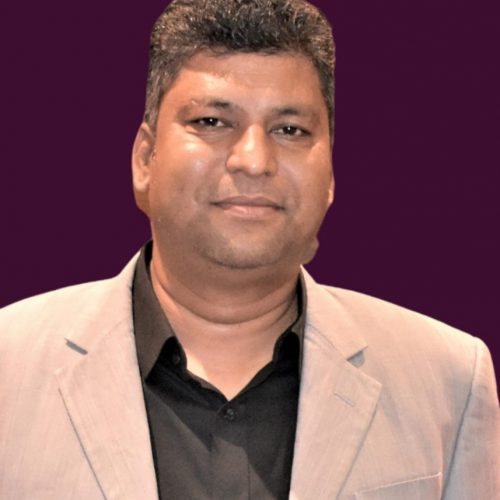
Saumitra Rajput
Saumitra Rajput is the founder of Kadamb Overseas Pvt. Ltd., India's leading Europe-focused study abroad consultancy based in Ahmedabad. With 14+ years of expertise in European education, he has personally counselled 2,500+ Indian families and helped 500+ students secure admission to top European universities including TU Munich, ETH Zurich, EPFL, KU Leuven, HEC Paris, Sapienza Rome, TU Wien, and Warsaw University of Technology. He has visited 25+ European universities, partners with 250+ EU institutions, and maintains a 500+ students placed.
Planning to Study Abroad?
Get free expert guidance from our experienced counselors

Saumitra Rajput
Saumitra Rajput is the founder and lead counsellor at Kadamb Overseas, India's trusted Europe education consultancy based in Ahmedabad. With 14+ years of hands-on experience, he has personally guided 500+ students to universities across Germany, Switzerland, France, Italy, Austria, and Spain. Saumitra has visited partner universities across Europe, holds deep expertise in European visa processes, scholarships, and student life, and has achieved a 97% visa success rate for his clients. He is the host of the YouTube channel "Europe with Saumitra", where he shares first-hand insights on studying and living in Europe. His mission: make Europe accessible to every Indian student, with zero consultancy fees.