

Last Updated: September 7, 2026
Table of Contents
- Why France is the Perfect Study Abroad Destination
- The French Education Philosophy — How It Differs from India
- Cultural Life in France — What Indian Students Love
- Practical Tips for Indian Students in France
- Top Student Cities in France — Culture Comparison
- Frequently Asked Questions
- 🇫🇷 Ready for the French Experience? Let's Get Started
🕑 8 min read
Last Updated: February 2026 | Author: Saumitra Rajput, Kadamb Overseas | Fact-Checked: Against Campus France & official sources
🇫🇷 Studying in France — Quick Facts for Indian Students
- Indian students in France: 10,000+ currently enrolled (4th largest international group)
- Universities: 3,500+ institutions including 72 public universities
- English programs: 1,600+ Master’s taught entirely in English
- Cultural events: Free museums for under-26, Fête de la Musique, student festivals
- Indian community: Active student associations in Paris, Lyon, Toulouse, Grenoble
Why France is the Perfect Study Abroad Destination
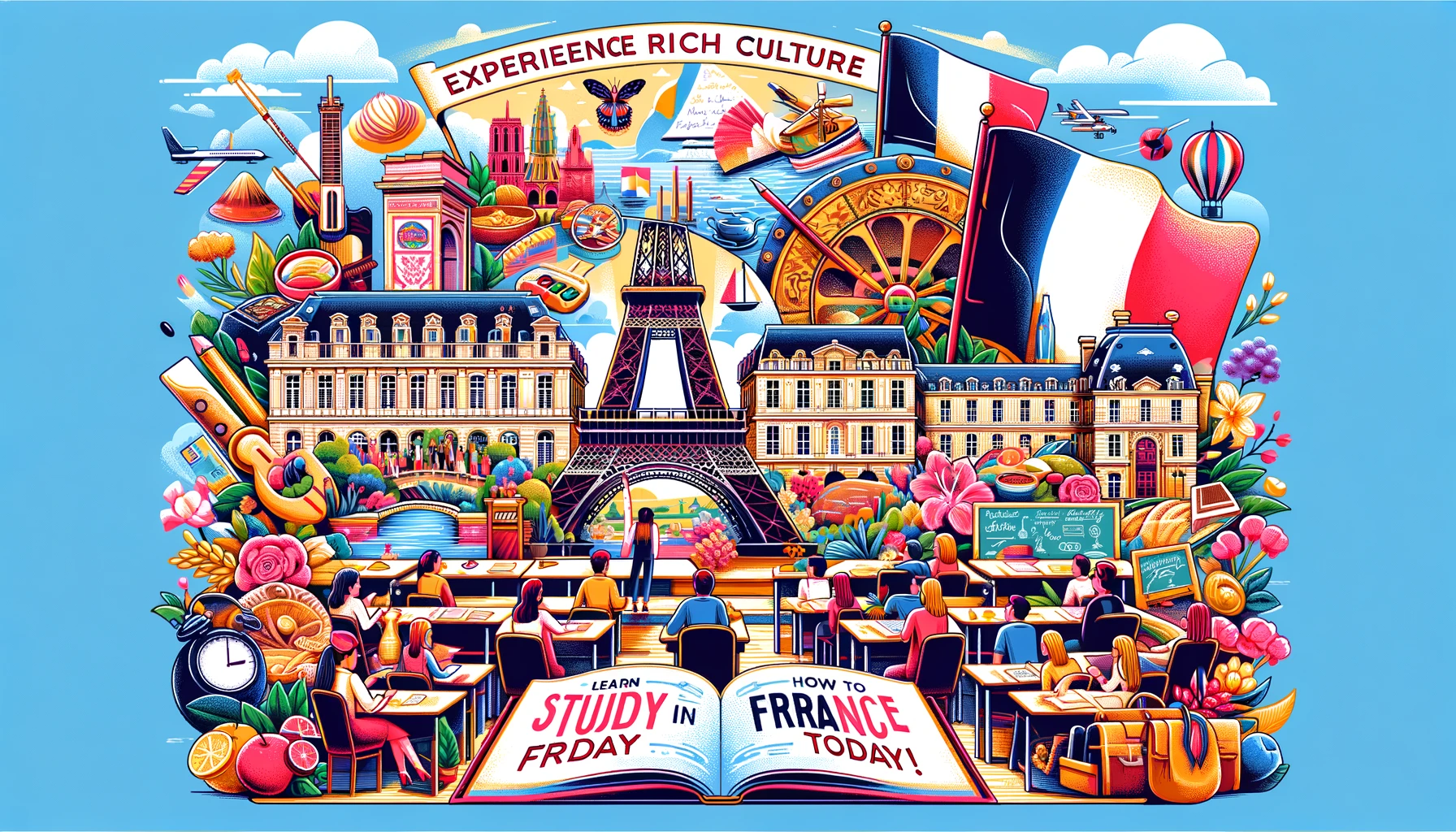
France offers something no other study destination can match: world-class education at near-zero tuition combined with one of the richest cultural experiences on earth. As the birthplace of modern democracy, haute cuisine, impressionist art, and global fashion, France transforms education into an immersive life experience that shapes careers and perspectives for decades.
At Kadamb Overseas, we’ve helped 500+ Indian students experience French education and culture over our 14+ years in the industry with a 97% visa success rate. Our students consistently tell us that the cultural experience was as valuable as the degree itself — from attending lectures at Sorbonne’s 800-year-old campus to networking at Parisian startup events.
This guide covers everything Indian students need to know about French culture, student life, education philosophy, and practical tips for thriving in France beyond the classroom.
The French Education Philosophy — How It Differs from India
| Aspect | Indian System | French System |
|---|---|---|
| Teaching Style | Lecture-heavy, note-taking focused | Debate-oriented, critical thinking, Socratic method |
| Grading | Out of 100, 60%+ is good | Out of 20; 14/20 is excellent, 12/20 is good |
| Class Size | 50-200+ students per class | 15-40 students (especially in Master’s) |
| Assessment | Primarily exams (60-70% weightage) | Mix of presentations, projects, essays, and exams |
| Professor Interaction | Formal, hierarchical | Accessible, first-name basis in many programs |
| Academic Calendar | July start, June end | September start, June end (2 semesters) |
| Internship Culture | Optional, sometimes unpaid | Mandatory 4-6 month stage (paid, min ₹3,500/day) |
| Autonomy | Structured, guided learning | High autonomy, self-directed research expected |
Cultural Life in France — What Indian Students Love
1. Art, Museums & Architecture
France has 1,200+ museums — and here’s the best part: all national museums are free for students under 26 from EU/EEA countries. While Indian students technically need tickets, many museums offer free first-Sunday-of-the-month access. The Louvre, Musée d’Orsay, Centre Pompidou, and Palace of Versailles become your weekend hangouts. Every French city has its own museum scene — Lyon’s Musée des Confluences, Strasbourg’s Modern Art Museum, Toulouse’s Cité de l’Espace.
2. Food & Cuisine — A Gastronomic Education
French cuisine is UNESCO-recognized as an Intangible Cultural Heritage. As a student, you’ll discover that food is central to French social life. Weekly market visits (marchés), boulangerie breakfasts, and multi-course Sunday lunches with friends become part of your routine. For Indian students, the good news: Indian grocery stores exist in every major city (Paris’s La Chapelle neighborhood is famously Indian), and cooking Indian food at home is easy with ingredients from Asian supermarkets.
3. Student Social Life
French student life revolves around: apéros (pre-dinner drinks with friends), association events, cultural festivals, and café culture. Every university has student associations (BDE — Bureau des Étudiants) that organize parties, trips, cultural exchanges, and networking events. Indian student associations like AFIG (Association France-Inde Grenoble) and Indian Student Association Paris organize Diwali celebrations, Holi events, and Bollywood nights.
4. Travel & Exploration
France’s central location in Europe makes weekend travel incredibly affordable. With a student transport card and budget airlines (Ryanair, EasyJet), you can visit Barcelona for ₹3,000, Amsterdam for ₹4,000, or Rome for ₹5,000 on weekend flights. Domestic TGV trains connect Paris to Lyon (2 hours), Marseille (3.5 hours), and Bordeaux (2 hours). The Schengen visa on your French student card lets you travel freely across 27 European countries.
5. French Language & Integration
Even if your program is in English, living in France means immersing yourself in French culture and language. Most universities offer free French language courses (FLE — Français Langue Étrangère) as part of your enrollment. After 6-12 months, most Indian students reach conversational French — which opens doors to deeper friendships, better part-time jobs, and stronger career prospects.
📞 Ready to Experience French Culture? Get Free Study Abroad Guidance
Kadamb Overseas has guided 500+ Indian students to France. From university selection to cultural preparation — we cover everything.
Practical Tips for Indian Students in France
Banking & Money
Open a French bank account within your first week — you need it for CAF, salary payments, and daily transactions. Popular student-friendly banks: BNP Paribas, Société Générale, and online banks like Boursorama and N26. Most banks offer free student accounts. Carry a debit card (Carte Bleue) as France is increasingly cashless. Transfer money from India via Wise (lowest fees) or your bank’s SWIFT transfer.
Healthcare
France has one of the world’s best healthcare systems. As a student, you’re automatically enrolled in the French social security system (Sécurité Sociale) through your CVEC registration. This covers 70% of medical costs. For the remaining 30%, get a complementary health insurance (mutuelle) — many universities partner with LMDE or SMERRA offering plans from ₹800–₹2,500/month. Emergency care is always free at public hospitals.
Phone & Internet
Get a French SIM card immediately. Free Mobile offers an incredible deal: 300GB 5G data + unlimited calls for just ₹170/month (€2/month for the first year). Alternatively, SFR and Bouygues offer student plans at ₹700–₹1,500/month. University Wi-Fi (eduroam) is free and available across all French universities.
Indian Community Support
India’s Embassy in Paris and Consulates in Lyon, Marseille, and Strasbourg offer support. The Indian Students Association of France connects students across cities. Facebook groups like “Indians in Paris,” “Indians in Lyon,” and city-specific Telegram groups are invaluable for housing tips, Indian grocery delivery, and social connections. During festivals like Diwali and Holi, Indian associations organize large celebrations attended by hundreds of students.
💡 Expert Insight — Saumitra Rajput, Kadamb Overseas
“The students who thrive most in France are those who embrace the culture from day one. Join a sports club, attend local events, say ‘bonjour’ to your neighbors, and try to speak French whenever possible. The French deeply appreciate effort — even broken French with an Indian accent earns you warmth and respect. I tell every student: you’re not just getting a degree, you’re gaining a second cultural identity. That dual perspective — Indian roots with European exposure — is your biggest career advantage.”
Top Student Cities in France — Culture Comparison
| City | Cultural Highlights | Best For | Monthly Cost (₹) |
|---|---|---|---|
| Paris | World-class museums, fashion, nightlife, startups | Business, arts, tech, luxury | ₹65,000–₹95,000 |
| Lyon | Gastronomy capital, Renaissance architecture, vibrant nightlife | Engineering, sciences, food | ₹45,000–₹65,000 |
| Toulouse | Aerospace hub, Pink City charm, rugby culture | Aerospace, engineering, STEM | ₹40,000–₹58,000 |
| Grenoble | Alps location, skiing, outdoor sports, tech hub | Engineering, physics, biotech | ₹38,000–₹55,000 |
| Strasbourg | EU Parliament, Franco-German culture, Christmas markets | Law, political science, EU studies | ₹38,000–₹52,000 |
| Bordeaux | Wine culture, Atlantic beaches, UNESCO heritage | Business, wine studies, humanities | ₹40,000–₹58,000 |
| Montpellier | Mediterranean climate, beach life, young population | Medicine, sciences, agriculture | ₹38,000–₹55,000 |
🎓 Student Success Story
Meera Krishnan, MSc International Relations, Sciences Po Paris (2023-2025)
“Coming from Chennai, I was nervous about cultural shock. But France welcomed me with open arms. My university organized a buddy system pairing international students with French students — my buddy Léa became one of my closest friends. We celebrated Pongal at my apartment and Christmas at her family’s home in Provence. I joined the Sciences Po India Club, attended debates at the National Assembly, and spent weekends exploring Paris museums for free with my student card. The cultural experience was transformative — I’m now bilingual in French and have a job offer at the OECD. Kadamb Overseas prepared me for everything, including cultural workshops before departure.”
Frequently Asked Questions
Is there culture shock for Indian students in France?
Some adjustment is normal, but France is generally very welcoming to Indian students. Key differences: meal times (lunch at 12-1 PM, dinner at 8-9 PM), emphasis on personal space, direct communication style, and the importance of saying “bonjour” to everyone. Most Indian students adapt within 2-3 months. Universities offer orientation programs, buddy systems, and international student offices to help. The Indian community in France is supportive and well-organized.
Can I find Indian food in France?
Yes, every major French city has Indian restaurants and grocery stores. Paris has the largest Indian community with multiple Indian neighborhoods (La Chapelle, Passage Brady in the 10th). Lyon, Toulouse, and Bordeaux all have Indian grocery shops selling spices, lentils, and rice. Cooking at home is easy — Indian ingredients are widely available. CROUS university restaurants even serve vegetarian options daily (though not always Indian-style).
How safe is France for Indian students?
France is generally safe for international students. Student cities like Lyon, Grenoble, Toulouse, and Strasbourg are very safe. In Paris, exercise normal urban caution — avoid pickpocket-prone tourist areas and use common sense at night. The French police (Police Nationale and Gendarmerie) are responsive. Universities have emergency contacts and international student support offices. Indian women students report feeling safer in France than in many other countries.
Do I need to speak French to live in France?
For English-taught programs, you don’t need French for academics. However, daily life is much easier with basic French (A1-A2): shopping, banking, administrative tasks, and socializing. Most young French people speak some English, but administrative offices often operate in French only. We strongly recommend learning basic French before arrival — even 3-6 months of Alliance Française classes make a significant difference in your quality of life.
What festivals and events can Indian students enjoy in France?
France hosts incredible festivals year-round: Fête de la Musique (June 21 — free music everywhere), Bastille Day (July 14 — national celebrations), Nuit Blanche (all-night art events), Christmas markets (November-December), and local festivals in every region. Indian student associations organize Diwali, Holi, Republic Day, and Independence Day celebrations. The Franco-Indian cultural exchange is strong, with events like Namaste France and Bonjour India bringing Indian art, dance, and music to French venues.
How can I make French friends as an Indian student?
Join student associations (BDE), sports clubs, and cultural events from day one. French people appreciate effort — speaking even basic French opens many doors. Attend tandem language exchange sessions (you teach English/Hindi, they teach French). Volunteer at local organizations. Cook Indian food and invite classmates for dinner — food is the universal connector! Many universities organize international student mixers in the first weeks. The key: don’t only hang out with other Indian students.
What is the work culture like in France after graduation?
French work culture emphasizes work-life balance — the 35-hour work week is standard (though many professionals work 40-45 hours). Lunch breaks are 1-2 hours (sacred in French culture). Annual leave is 5 weeks minimum + many public holidays. The hierarchical corporate culture is changing, especially in startups. For Indian students, the biggest adjustment is the pace — French workplaces value quality over quantity, strategic thinking over speed, and relationships over transactions.
🇫🇷 Ready for the French Experience? Let’s Get Started
Kadamb Overseas offers complete study-in-France packages including university selection, application support, visa filing, and pre-departure cultural orientation. 500+ students placed, 97% visa success.
💬 Start Your France Journey on WhatsApp
📞 +91 99133 33239 | 📍 601, MV House, Near Namaste Circle, Shahabad, Ahmedabad – 380006
Saumitra Rajput
Saumitra Rajput is the founder of Kadamb Overseas Pvt. Ltd., India's leading Europe-focused study abroad consultancy based in Ahmedabad. With 14+ years of expertise in European education, he has personally counselled 2,500+ Indian families and helped 500+ students secure admission to top European universities including TU Munich, ETH Zurich, EPFL, KU Leuven, HEC Paris, Sapienza Rome, TU Wien, and Warsaw University of Technology. He has visited 25+ European universities, partners with 250+ EU institutions, and maintains a 500+ students placed.
Planning to Study Abroad?
Get free expert guidance from our experienced counselors

Saumitra Rajput
Saumitra Rajput is the founder and lead counsellor at Kadamb Overseas, India's trusted Europe education consultancy based in Ahmedabad. With 14+ years of hands-on experience, he has personally guided 500+ students to universities across Germany, Switzerland, France, Italy, Austria, and Spain. Saumitra has visited partner universities across Europe, holds deep expertise in European visa processes, scholarships, and student life, and has achieved a 97% visa success rate for his clients. He is the host of the YouTube channel "Europe with Saumitra", where he shares first-hand insights on studying and living in Europe. His mission: make Europe accessible to every Indian student, with zero consultancy fees.
Related Articles
- France September 2026 Intake – Deadlines, Process & How to Apply Now
- EPFL University Tuition Fees, Scholarships Eligibility, Admission
- BME Budapest (Tech Uni): Admission, Fees & Scholarships 2026
- Education Loan Process for Abroad Study: Guide 2026
- Master in High Performance Computing at university of luxembourg

