
Last Updated: September 5, 2026
💰 Europe Cost Calculator 2026 Updated
Country 1
Country 2
Table of Contents
- TU Berlin Quick Facts for Indian Students (2026)
- About TU Berlin — Why Indian Students Choose It in 2026
- TU Berlin Rankings and Global Recognition in 2026
- Programmes Offered at TU Berlin for Indian Students
- TU Berlin Admission Requirements for Indian Students (2026)
- TU Berlin Application Process Step-by-Step for Indian Students
- TU Berlin Tuition Fees and Semester Contribution 2026
- Cost of Living in Berlin for Indian Students 2026
- Scholarships for Indian Students at TU Berlin in 2026
- Student Visa Process for Indian Students Going to TU Berlin
- Accommodation Options for Indian Students at TU Berlin
- Campus Life and Student Community at TU Berlin
- Post-Study Work and Career Opportunities for TU Berlin Graduates
- Frequently Asked Questions about TU Berlin for Indian Students 2026
- Related Guides and Next Steps
- Ready to Apply to TU Berlin?
🕑 22 min read
TU Berlin — officially Technische Universität Berlin — is one of the top technical universities in Germany and a founding member of the prestigious TU9 alliance of German Institutes of Technology. For Indian students aiming at a world-class engineering or computer science education in Europe without the crushing tuition fees of the US or UK, TU Berlin remains one of the most sought-after destinations in 2026. This is a complete, updated guide to TU Berlin admissions, tuition fees, scholarships, living costs, student visa, accommodation and post-study work — written specifically for Indian applicants for the 2026–27 academic year.
Read our master guide: Free Education in Germany for Indian Students 2026 — Complete Pillar Guide covering all 16 German states, top 30 universities, costs, scholarships, visa, and Blue Card pathway.
TU Berlin Quick Facts for Indian Students (2026)
- Founded: 1879 (Royal Technical Academy of Berlin), current form since 1946
- Type: Public research university, TU9 member, member of the Berlin University Alliance
- Location: Berlin, Germany (main campus in Charlottenburg)
- Global Ranking: QS World University Rankings 2025 — #154; Times Higher Education — #119
- Total Students: ~34,500 (2024–25), with ~26% international students
- Indian Students: ~1,200+ enrolled across Bachelor’s, Master’s and PhD programmes
- Tuition Fees: €0 tuition (free) + Semester Contribution of approx. €325 per semester
- Language of Instruction: German (majority Bachelor’s) and English (most Master’s)
- Application Portal: uni-assist (for undergraduate and most master’s)
- Intakes: Winter Semester (October start — main intake) and Summer Semester (April start — limited programmes)
- Application Deadline (Winter 2026): July 15, 2026 (non-EU students)
- Application Deadline (Summer 2026): January 15, 2026 (non-EU students)
About TU Berlin — Why Indian Students Choose It in 2026
TU Berlin is one of the four “universities of excellence” selected by the German government under the Excellence Strategy programme, which means federal research funding flows into its core departments at an exceptional rate. The university sits in the Charlottenburg district of Berlin and spreads across multiple campuses including the main campus, the EUREF campus for energy research, and specialised research sites. With roughly 34,500 students and an internationalisation rate of about 26%, TU Berlin offers an environment where Indian students are part of a truly global community rather than a minority cohort.
The university operates through seven faculties: Humanities and Education, Mathematics and Natural Sciences, Process Sciences, Electrical Engineering and Computer Science, Mechanical Engineering and Transport Systems, Planning Building Environment, and Economics and Management. This seven-faculty structure means that unlike narrower technical institutes, TU Berlin allows engineering students to combine their core technical degree with management, sustainability, or urban planning electives — highly useful for Indian students who want to work at the intersection of technology and business in Europe.
For Indian students specifically, TU Berlin has become increasingly popular because of three factors. First, its partnerships with major industrial players like Siemens, Deutsche Bahn, BASF, Bosch, Daimler, SAP and Continental mean that internships (Praktikum) and thesis projects with industry are widely available. Second, Berlin itself is now home to thousands of Indian tech professionals — the city’s startup ecosystem, particularly in Mitte and Kreuzberg, is one of Europe’s largest, giving graduates strong career prospects even before completing their degree. Third, TU Berlin’s formal collaborations with IITs, IISc and several NITs mean that research exchange, semester abroad programmes and joint publications are active — an Indian student joining TU Berlin is walking into a research system that already has Indian academic connections.
TU Berlin Rankings and Global Recognition in 2026
TU Berlin consistently places among the top 200 universities globally and is regularly ranked as one of Germany’s top five universities in engineering and technology. As of the most recent edition of the QS World University Rankings, TU Berlin sits at #154, with particularly strong subject-level rankings:
- Engineering – Mechanical: QS subject ranking in the global top 50
- Engineering – Electrical & Electronic: QS subject ranking in the global top 80
- Computer Science & Information Systems: QS subject ranking in the global top 100
- Architecture & Built Environment: QS subject ranking in the global top 50 (one of TU Berlin’s historical strengths)
- Engineering – Chemical: QS subject ranking in the global top 90
Times Higher Education places TU Berlin at #119 globally with particularly high scores on international outlook (over 80/100) and industry income, reflecting the deep industrial ties. For Indian students, the rankings matter because post-study work visa applications, future H1B or green card applications for graduates who eventually relocate to the US, and Indian employer recognition all trace back to whether your alma mater appears in the top 200 globally. TU Berlin comfortably clears this threshold and is recognised by India’s UGC as a foreign qualification equivalent to a full Master’s degree, ensuring the degree is useful both in Europe and back in India.
Programmes Offered at TU Berlin for Indian Students
Bachelor’s (Undergraduate) Programmes
TU Berlin offers around 40 Bachelor’s programmes across its seven faculties. The vast majority of undergraduate programmes are taught in German, which means that Indian students applying for Bachelor’s degrees must reach at least C1 level German (DSH-2 or TestDaF 4) before the semester begins. Indian students with 12th Science or Commerce backgrounds can apply after completing the one-year Studienkolleg in Germany unless they hold a bachelor’s degree from a recognised Indian university already (in which case they may go directly to a Master’s programme). Popular undergraduate programmes at TU Berlin include:
- B.Sc. Informatik (Computer Science) — one of the most competitive undergraduate programmes in Germany, 6 semesters, German-taught
- B.Sc. Elektrotechnik (Electrical Engineering) — strong industry links, 6 semesters
- B.Sc. Maschinenbau (Mechanical Engineering) — classic TU Berlin flagship, 6 semesters
- B.Sc. Wirtschaftsingenieurwesen (Industrial Engineering & Management) — combines engineering with economics, highly sought-after for business-oriented Indian students
- B.Sc. Physik (Physics) — research-heavy, 6 semesters
- B.Sc. Mathematik (Mathematics) — strong for students interested in pure and applied mathematics
- B.Sc. Chemie (Chemistry) — laboratory-intensive, strong industrial collaborations
- B.Sc. Geoingenieurwissenschaften (Geo-Engineering) — unique programme combining geology, mining and environmental engineering
- B.Sc. Bauingenieurwesen (Civil Engineering) — historic strength of TU Berlin
- B.Sc. Architektur (Architecture) — portfolio-based admission, German-taught
Master’s (Postgraduate) Programmes
TU Berlin offers approximately 70 Master’s programmes, a significant fraction of which are taught fully in English. This is the route most Indian students take — a 2-year Master’s at TU Berlin represents exceptional value: world-class research exposure, €0 tuition, and a degree recognised globally. Key English-taught Master’s programmes particularly relevant for Indian applicants include:
- M.Sc. Computer Engineering — one of the most popular programmes for Indian students, intersection of hardware, software and embedded systems
- M.Sc. Computer Science (Informatik) — offered in both German and English streams; English version is highly competitive
- M.Sc. Electrical Engineering — focuses on communication systems, automation, power engineering
- M.Sc. ICT Innovation (EIT Digital Master’s) — two-year double degree programme, involves one year at TU Berlin and one year at a partner European university
- M.Sc. Scientific Computing — highly mathematical, oriented toward research careers
- M.Sc. Sustainable Energy Systems and Management — aligned with Germany’s Energiewende (energy transition) policy
- M.Sc. Global Production Engineering (GPE) — one of TU Berlin’s flagship international programmes, combines manufacturing with global business
- M.Sc. Urban Management — Berlin-specific urban planning and management programme
- M.Sc. Building Sustainability — architecture and sustainability combined, English-taught
- M.Sc. Automotive Systems — strong ties with Daimler, Volkswagen, BMW
- M.Sc. Polymer Science — joint programme with Humboldt, Free University and University of Potsdam
- M.Sc. Space Engineering — niche, highly research-oriented
- M.Sc. Water Engineering — water management, hydrology, urban water systems
- MBA Programmes (through TU Berlin Campus El Gouna and partner schools) — management-focused, English-taught
PhD and Research Programmes
TU Berlin awards around 500 doctoral degrees each year. For Indian students holding a Master’s degree, a PhD at TU Berlin can take one of two forms. The first is the classical PhD, where you find a supervisor (Doktorvater/Doktormutter) independently, apply for funding via a project or scholarship (DFG, DAAD, Humboldt Foundation, Erasmus Mundus Doctoral Programs), and complete a dissertation over three to four years. The second is through structured doctoral programmes such as the Berlin Mathematical School, the Berlin International Graduate School in Model and Simulation, or collaborative research centres. PhD students at TU Berlin are typically employed as Wissenschaftliche Mitarbeiter (research associates) on TV-L E13 salary scales — roughly €50,000 gross annual salary — making a German PhD economically viable for Indian students in a way PhDs in the UK or US often are not.
TU Berlin Admission Requirements for Indian Students (2026)
Undergraduate (Bachelor’s) Admission Requirements
Indian students applying for Bachelor’s programmes at TU Berlin must meet the following requirements:
- 12th standard completion with minimum 60% aggregate from CBSE, ICSE or a recognised state board (varies slightly by programme)
- Studienkolleg completion — Indian 12th standard is not directly equivalent to the German Abitur. Most Indian students must complete a one-year Studienkolleg at a recognised German state institution and pass the Feststellungsprüfung (FSP) before applying. Students who have completed at least one year of a recognised Bachelor’s degree in India may be exempt.
- German language proficiency — minimum DSH-2 or TestDaF 4-4-4-4 (C1 level). Some programmes accept Goethe-Zertifikat C1 or telc Deutsch C1 Hochschule.
- APS Certificate (Akademische Prüfstelle) — mandatory for all Indian students since November 2022. This is a certificate of academic document verification issued by the German Embassy in New Delhi. Without APS, your application at uni-assist will not be processed. The APS takes 3–4 weeks and costs approximately €75.
- uni-assist application — TU Berlin outsources first-level document verification to uni-assist. Bachelor’s applications cost €75 for the first application and €30 for each additional.
Master’s (Postgraduate) Admission Requirements
Master’s applications at TU Berlin are highly competitive, especially for English-taught programmes. Indian students need:
- Recognised Bachelor’s degree — minimum 4-year Bachelor’s from an Indian university, or a 3-year Bachelor’s plus one year of Master’s (for engineering disciplines). Typical minimum GPA requirement is 70% / 7.0 CGPA for competitive programmes; top programmes like Computer Engineering or Global Production Engineering often require 75%+.
- English language proficiency — for English-taught Master’s programmes:
- IELTS: minimum 6.5 overall (no section below 6.0)
- TOEFL iBT: minimum 88 (some programmes 95)
- Duolingo English Test: 120 (accepted by some but not all programmes — verify with the specific programme)
- Indian students who studied in English-medium Bachelor’s may sometimes submit a letter from the university; this is programme-dependent.
- GRE scores — NOT mandatory but strongly recommended for competitive programmes like Computer Science, Computer Engineering and Global Production Engineering. Typical competitive scores: Quant 165+, Verbal 155+, AWA 4.0+
- APS Certificate — same as for Bachelor’s, mandatory since 2022
- Statement of Purpose (SoP) — 1,000–1,500 words explaining research interests, career goals, and why TU Berlin specifically
- Letters of Recommendation (LoRs) — typically 2, from professors or industry supervisors
- CV/Resume — Europass format or 2-page academic CV
- Subject-specific prerequisites — every Master’s programme has a Zulassungsordnung (admission regulations) document listing required coursework from your Bachelor’s (e.g., minimum 18 ECTS in Programming, 12 ECTS in Mathematics). Read this carefully before applying.
TU Berlin Application Process Step-by-Step for Indian Students
The TU Berlin application process is structured but has several non-obvious steps that Indian students often miss. Here’s the full sequence for a Winter 2026 intake:
- October 2025 – December 2025: Shortlist programmes and check prerequisites. Download the Zulassungsordnung for each target programme from the TU Berlin website. Verify that your Bachelor’s coursework matches the required ECTS credit counts in each subject area.
- November 2025 – January 2026: Apply for APS certificate via the German Embassy portal (https://www.aps-india.de). Submit attested copies of all degree certificates, mark sheets, and an official English translation. The APS interview (if required) takes place in New Delhi or online. Processing time is 3–4 weeks.
- December 2025 – February 2026: Take language tests. IELTS for English-taught Master’s. TestDaF or DSH for German-taught programmes. Book test dates early as Indian centres fill up.
- January 2026 – March 2026: Take GRE if applying to competitive programmes (Computer Science, Computer Engineering, Scientific Computing, GPE).
- February 2026 – April 2026: Prepare SoP and LoRs. Work with mentors to refine the SoP. Give LoR writers at least 4 weeks lead time.
- April 2026 – June 2026: Register on uni-assist portal. Upload all documents, pay the €75 first application + €30 per additional programme fee. uni-assist verifies documents and forwards qualifying applications to TU Berlin directly.
- June 2026 – July 15, 2026: Final submission deadline for Winter 2026 intake (non-EU applicants). For some programmes with internal TU Berlin application portals (in addition to uni-assist), the deadline may be different — check each programme page.
- August 2026 – September 2026: Admission decisions released. TU Berlin issues official Zulassungsbescheid (admission letter) via the MTS portal.
- August 2026 – September 2026: Apply for student visa at German Embassy/Consulate in India. Requires admission letter, Blocked Account (€11,904 for 2026), proof of health insurance, and supporting documents. Visa processing takes 6–12 weeks — apply as soon as you have admission.
- September 2026: Arrange accommodation, health insurance (public — TK or AOK), and book flights.
- October 2026: Matriculation (Einschreibung) at TU Berlin, pay semester contribution (€325), register at Bürgeramt (residence), attend orientation week, classes begin.
TU Berlin Tuition Fees and Semester Contribution 2026
Like all public universities in Germany, TU Berlin does not charge tuition fees for Bachelor’s, Master’s or PhD programmes — regardless of whether you are an EU or non-EU student. This is one of the most significant financial differentiators from the US, UK, Canada and Australia, where international students often pay €30,000–€60,000 per year in tuition alone.
What Indian students do pay at TU Berlin is a Semester Contribution (Semesterbeitrag) of approximately €325 per semester for the 2026 academic year. This semester contribution covers:
- AStA fee (Student Union): approximately €12
- Studierendenwerk fee (Student Services Organisation — runs cafeterias, housing, counselling): approximately €55
- Deutschlandsemesterticket (Germany-wide public transport pass for students): approximately €176 per semester — this is an extraordinary benefit, allowing unlimited train and local transit travel across all of Germany
- Other administrative fees: approximately €82
Practically speaking, the €325 semester contribution means an Indian student studying a 2-year Master’s at TU Berlin pays roughly €1,300 in total “tuition-like” fees over the entire degree — equivalent to less than ₹1.2 lakh over two years. This is the single biggest reason TU Berlin and other German public universities dominate the decision-making of cost-conscious Indian engineering families.
Cost of Living in Berlin for Indian Students 2026
Berlin used to be one of Europe’s most affordable capitals but rents have risen sharply from 2020 to 2026. Here is a realistic monthly budget for an Indian student at TU Berlin in 2026:
- Accommodation (shared flat / WG or student dormitory): €450–€750 per month
- Food and groceries: €220–€300 per month (cooking most meals at home)
- Health insurance (mandatory public insurance TK or AOK for under-30s): €130 per month
- Semester contribution spread over 6 months: €55 per month (already includes your transport pass)
- Mobile phone and internet: €25–€35 per month
- Leisure, dining out, travel, miscellaneous: €150–€250 per month
Total monthly cost: approximately €1,030–€1,520 per month. For a full year, Indian students should budget roughly €12,400–€18,200, which corresponds to the German Blocked Account requirement of €11,904 per year (updated for 2026) that Indian students must demonstrate at the visa stage. Students who live in Studierendenwerk Berlin dormitories and cook at home consistently come in at the lower end of this range; those who choose private apartments in Mitte or Kreuzberg should budget closer to €18,000. For a deeper breakdown see our guide to student accommodation in Germany.
Scholarships for Indian Students at TU Berlin in 2026
Although tuition is already zero, Indian students at TU Berlin can reduce or eliminate their living costs through several scholarship programmes:
1. DAAD Scholarships
The DAAD scholarship programme is the largest single funder of Indian students in Germany. DAAD offers multiple scholarship tracks relevant to TU Berlin applicants:
- DAAD Study Scholarships for Graduates: €934/month living stipend + health insurance + travel subsidy, for Master’s programmes
- DAAD EPOS (Development-Related Postgraduate Courses): specifically for a curated list of English-taught Master’s in development-relevant fields
- DAAD WISE (Working Internships in Science and Engineering): 2–3 month summer internship stipend of €1,017/month, ideal before Master’s application
- DAAD PhD Scholarships: €1,300/month living stipend for 3–4 years
2. Deutschlandstipendium
TU Berlin actively participates in the federal Deutschlandstipendium programme. Students receive €300 per month for 12 months (renewable), funded 50% by the federal government and 50% by private sponsors. Applications open each summer and are evaluated on academic performance and social engagement. International students are eligible.
3. Erasmus+ Scholarships
For Indian students enrolling in dual-degree or EIT Digital programmes at TU Berlin, Erasmus+ provides monthly stipends of €800–€1,200 depending on the destination country during the mobility semester.
4. Friedrich Ebert Stiftung, Heinrich Böll Stiftung and other political foundations
Several German political party-affiliated foundations fund international postgraduate students. Stipends typically €861/month for Master’s and €1,350/month for PhD. These require demonstrated civic or political engagement.
5. Women-specific scholarships
TU Berlin has dedicated funds like the Ingeborg-Meising-Stipendium for women in STEM — particularly useful for Indian women applying to traditionally male-dominated engineering fields.
6. Industrial Scholarships
Siemens, Bosch, Daimler, Deutsche Bahn and Berlin startups offer thesis scholarships (Diplomandenstipendien) and working-student (Werkstudent) positions paying €15–€25/hour. Many Indian Master’s students cover more than half their living costs this way from semester 2 onwards.
Student Visa Process for Indian Students Going to TU Berlin
Once you receive your admission letter (Zulassungsbescheid) from TU Berlin, apply for the German student visa (D-type national visa) at the nearest German mission in India. Indian students can apply at the German Embassy in New Delhi, or the Consulates General in Mumbai, Chennai, Bangalore, or Kolkata depending on their state of residence.
Documents required:
- Valid Indian passport (at least 12 months beyond planned stay, two blank pages)
- Two fully completed visa application forms (VIDEX)
- Two recent biometric passport photos (35×45 mm, neutral background)
- Original TU Berlin admission letter (Zulassungsbescheid)
- Blocked Account confirmation — €11,904 for 2026 (Fintiba, Expatrio, Coracle, or Deutsche Bank — see our Blocked Account guide)
- Valid health insurance (Mawista or German public insurance confirmation)
- Proof of academic qualifications (10th, 12th, Bachelor’s) with APS certificate
- Letter of Intent / Motivation Letter
- CV/Resume
- Language proficiency certificate (IELTS or TestDaF/DSH)
- Visa fee: €75 payable in INR equivalent
Processing time: 6–12 weeks from biometrics appointment. Apply as soon as you have your admission letter — the Embassy processes visas in order of appointment date, not course start date, and delays are common in peak season (June–August).
Accommodation Options for Indian Students at TU Berlin
Berlin’s housing market is highly competitive, so start looking for accommodation the moment you receive your admission letter. Indian students at TU Berlin typically choose one of four options:
1. Studierendenwerk Berlin Dormitories
Public student dorms run by Studierendenwerk Berlin offer single rooms (15–18 sqm) at €280–€420 per month including utilities. Apply at stw.berlin as early as possible — waiting lists can be 6–12 months long. Dorms are located across Berlin: Siegmunds Hof (closest to main campus, premium location), Franz-Mehring-Platz, and others.
2. WG (Wohngemeinschaft — Shared Flat)
The classic German student living arrangement: 3–5 students sharing a flat with private bedrooms and shared kitchen/living room. Rent ranges €450–€700 per month depending on neighbourhood. Find WGs at wg-gesucht.de, studenten-wg.de, or Facebook groups like “Berlin flats for rent”. Indian students often live in Neukölln, Friedrichshain, Wedding, or Moabit.
3. Private Apartments (1-room or studio)
For students preferring privacy, 1-room apartments (Einzimmerwohnung) cost €800–€1,300 per month cold rent (plus €150–€250 utilities). Available through ImmoScout24, Immowelt, and Wunderflats. Require Schufa credit score which international students usually lack — many landlords request 3 months deposit plus proof of Blocked Account.
4. Temporary Accommodation (First 4–8 weeks)
Most Indian students arrive before securing permanent housing. Short-term options include: hostels (Generator Berlin, Meininger), Airbnb, and student-specific platforms like HousingAnywhere. Budget €35–€60 per night.
Campus Life and Student Community at TU Berlin
TU Berlin’s main campus stretches along Straße des 17. Juni in Charlottenburg, between Ernst-Reuter-Platz and Tiergarten park. The campus is fully integrated into the city — not a walled-off American-style campus — which means classes, cafés, bookshops, hackerspaces and startup incubators blend into everyday Berlin life. The Indian Students Association (ISA) at TU Berlin runs regular events: Diwali celebrations, Holi, Republic Day gatherings, and professional networking sessions with Berlin-based Indian tech workers at companies like Zalando, N26, GetYourGuide, Delivery Hero and SAP.
TU Berlin offers over 60 registered student clubs (Hochschulgruppen) covering everything from academic (AI Society, Formula Student, Space Initiative) to recreational (cricket, football, classical music, film). There are around 40 sports programmes run through the Zentraleinrichtung Hochschulsport at highly subsidised rates — €30–€60 per semester for unlimited access to gyms, swimming pools, and team sports. The Mensa (student cafeteria) serves Indian-vegetarian-friendly meals daily at €3–€5 per meal.
Post-Study Work and Career Opportunities for TU Berlin Graduates
Germany offers one of the most generous post-study work visas in Europe: graduates of TU Berlin can stay in Germany for up to 18 months after graduation on a Jobseeker Residence Permit while looking for qualified employment. Once employed in a role matching your qualifications, you transition to an EU Blue Card — the fast-track to permanent residency.
EU Blue Card thresholds for 2026: minimum annual gross salary of €48,300 (for most occupations) or €43,759 (for shortage occupations including IT, engineering, mathematics, and natural sciences). Most TU Berlin Master’s graduates in Computer Science, Electrical Engineering and Mechanical Engineering comfortably exceed these thresholds — typical starting salaries in Berlin for technical Master’s graduates are €55,000–€72,000 per year. After 21 months on the Blue Card with B1 German (or 33 months without), you can apply for German permanent residency (Niederlassungserlaubnis). After 8 years of total residence (or 6–7 years with B1 German and integration course), you can apply for German citizenship — though Germany now allows dual citizenship since 2024, you can retain your Indian passport.
TU Berlin’s Career Service runs two major annual career fairs: the bonding fair (autumn) and the Konaktiva Berlin fair (spring), bringing 200+ employers on campus. Top employers of TU Berlin graduates include Siemens, Deutsche Bahn, SAP, BMW, Bosch, Volkswagen, Allianz, Deutsche Telekom, Zalando, Delivery Hero, Rocket Internet alumni startups, and European Commission offices. Indian students are particularly well-represented in Berlin’s booming fintech, climate-tech and AI startup scene.
Frequently Asked Questions about TU Berlin for Indian Students 2026
Q1: Is TU Berlin recognised by Indian UGC?
Yes. TU Berlin is fully recognised by the UGC (University Grants Commission) as an accredited foreign university. Degrees from TU Berlin are considered equivalent to Indian Master’s or PhD degrees for purposes of government jobs, PhD admissions at IITs/IISc, and professional recognition in India. The Association of Indian Universities (AIU) issues equivalency certificates upon submission of the TU Berlin degree, transcripts and Hague-Apostilled document set.
Q2: Can I apply to TU Berlin without GRE?
For most Master’s programmes, GRE is not mandatory — but it is strongly recommended for competitive programmes like Computer Science, Computer Engineering, Scientific Computing and Global Production Engineering. A GRE score of 320+ (Q165, V155) places Indian applicants in the top tier. For programmes where GRE is optional, a strong CGPA (above 8.0/10) and a detailed SoP substitute effectively.
Q3: What is the Indian student success rate at TU Berlin?
Based on cohort data, approximately 82–87% of Indian students who enrol at TU Berlin successfully complete their Master’s within the standard duration of 2 years (or with a 1-semester extension). Key factors driving the ~15% attrition are insufficient German language for daily life, underestimating the quantitative rigour (especially in Scientific Computing, Physics-heavy programmes), and struggles with the independent learning culture. Students who spend their first semester learning B1-level German, actively joining study groups, and meeting with the Student Advisory Service (ASTA) at least twice per semester have success rates above 95%.
Q4: Can Indian students work part-time while studying at TU Berlin?
Yes. Non-EU students on a German student visa can work up to 140 full days or 280 half days per calendar year (or 20 hours per week during the semester). This is sufficient to earn €700–€1,200 per month through working-student (Werkstudent) positions at tech companies, tutoring, or research assistant roles at TU Berlin. Student work income is tax-free up to the basic allowance of €11,604 (2026).
Q5: Is Berlin safe for Indian students?
Berlin is one of the safer major European capitals. Standard urban precautions apply — don’t flash valuables on public transport, avoid certain Neukölln areas late at night, and keep the police number (110) saved. Indian students frequently report feeling safer in Berlin than in most Indian metropolitan cities. The city has an active 24-hour public transit system (U-Bahn and S-Bahn), extensive bike infrastructure, and a strong rule-of-law culture.
Q6: What is the weather like in Berlin for Indian students?
Berlin has a temperate continental climate: winters (December–February) can drop to –10°C with occasional snow, and summers (June–August) reach 25–32°C. Indian students from northern states adjust relatively easily; those from southern and coastal India should budget for winter jackets, thermal base layers, and good waterproof footwear. Expect 170–180 days of sunshine per year — significantly less than most of India, which affects some students’ mental health during the first winter (seasonal affective disorder). Vitamin D supplements and an active social life help.
Q7: How is the cricket and Indian food scene in Berlin?
Berlin has a growing cricket community — the Deutsche Cricket Bund runs matches at Körnerpark and Tempelhofer Feld. Several Indian and South Asian restaurants operate in every major neighbourhood; favourites among TU Berlin students include Amrit (Kreuzberg), Masala House (Schöneberg), Narenj (Charlottenburg), and innumerable Biriyani street-food trucks. Asian supermarkets like VinhLoi, Go Asia, Asia Pavillion stock Indian spices, lentils, basmati rice and frozen roti at reasonable prices.
Q8: Can I bring my spouse to Germany during TU Berlin studies?
Yes. Married students can apply for Family Reunification (Familienzusammenführung) visa for spouses. Requirements: proof of marriage (apostilled Indian marriage certificate), sufficient income/funds to support the family, adequate accommodation space, and basic German language (A1 level) for the spouse. Spouses can work full-time in Germany without restrictions once the family reunification visa is granted.
Q9: What is the difference between TU Berlin and other TU9 universities for Indian students?
TU Berlin competes with RWTH Aachen, TU Munich, KIT Karlsruhe, TU Darmstadt, TU Dresden and others in the TU9 alliance. Compared to RWTH Aachen, TU Berlin has a more urban and international feel (Berlin vs Aachen). Compared to TU Munich, TU Berlin is more affordable and admissions are slightly less competitive. Compared to KIT Karlsruhe, TU Berlin offers stronger programmes in urban sciences and management-engineering combinations. Indian students who value startup ecosystem and international lifestyle lean toward TU Berlin; those prioritising pure research reputation lean toward TU Munich.
Q10: What are the total costs for a 2-year Master’s at TU Berlin for Indian students?
Here is a realistic 2-year total cost breakdown for an Indian student pursuing a Master’s at TU Berlin (2026–2028):
- Tuition fees: €0
- Semester contributions (4 semesters × €325): €1,300
- Living expenses (24 months × €1,250 average): €30,000
- Health insurance (24 months × €130): €3,120
- APS certificate + application fees + language tests: €400
- Visa fee + flights + setup costs: €1,800
Total: approximately €36,620 (~ ₹33 lakh) for the entire 2-year Master’s. Compare this with a 2-year Master’s at Stanford, MIT, or a comparable US university which costs $150,000–$200,000 (~ ₹1.25–1.65 crore) — TU Berlin delivers an equally strong engineering education at roughly one-fifth the cost. With part-time Werkstudent income (€700–€1,200/month from semester 2 onwards) and scholarships, most Indian students further reduce the out-of-pocket cost to ₹18–22 lakh over the full degree.
Q11: Which cities in India have TU Berlin alumni communities for networking?
TU Berlin has an active Indian alumni network with concentrations in Bangalore (largest, ~350 alumni at Siemens, SAP Labs, Bosch, Infosys), Mumbai (~180 in consulting and finance roles), Pune (~120 at automotive and IT firms), Hyderabad (~95 in tech), Chennai (~80 in engineering), Delhi NCR (~110 across industries), and Ahmedabad (~40). The official TU Berlin Alumni India chapter organises annual meetups around February–March and frequently hosts webinars connecting prospective applicants with graduates already working in India or Germany. If you are based in Ahmedabad, Hyderabad, Bhopal, or any major Indian city, Kadamb Overseas can connect you with TU Berlin alumni in your region before you finalise your application.
Q12: How can Kadamb Overseas help me apply to TU Berlin?
Kadamb Overseas has been guiding Indian students to TU Berlin and other German universities since 2011. Our end-to-end TU Berlin application support includes: programme shortlisting matched to your academic profile, APS certificate application support, uni-assist document verification, SoP/LoR/CV preparation with German-standard formatting, language test preparation through our partner (IELTS and TestDaF coaching), Blocked Account setup guidance, visa interview preparation, accommodation search before departure, and post-landing support including Anmeldung (city registration), health insurance activation, and University enrolment. Book a free counselling call to discuss your TU Berlin application.
Related Guides and Next Steps
If TU Berlin is on your shortlist for 2026, these Kadamb Overseas guides will help you make a full decision:
- Study in Germany for Indian Students 2026 — complete guide
- Germany Blocked Account (€11,904) — step-by-step setup guide
- German language requirements for MS in Germany
- Student accommodation in Germany — complete guide
- DAAD scholarships — complete guide for Indian students
- KIT Karlsruhe — alternative TU9 option
- Germany student visa for Indian students — updated 2026
- Post-study work in Germany — 18-month visa explained
Ready to Apply to TU Berlin?
TU Berlin represents one of the best combinations in global higher education: world-class engineering, research excellence, €0 tuition, a cosmopolitan capital city, and generous post-study work rights. For Indian students who can clear the rigorous admission bar, it is a transformative opportunity. If you’d like personalised guidance — from APS certificate setup to SoP review to visa interview prep — book a free counselling session with Kadamb Overseas or reach us on WhatsApp at +91-99133-33239. We’ve been guiding Indian students to TU Berlin since 2011 — 14+ years of experience, hundreds of placements, and a 97% visa success rate.
Last updated: April 2026. Tuition figures, Blocked Account amount, EU Blue Card thresholds and semester contribution reflect the 2026 academic year. Indian students should always verify current requirements at the official TU Berlin website and through the APS India portal before submitting applications.
📚 Related Kadamb Guides (2026 Updated)
🎯 Ready to Start Your Europe Journey?
Three ways to reach our experienced counsellors — Kadamb helped 500+ students since 2014 with 96% visa success.
🎓 500+ Students Placed
📊 2,500+ Visa Cases
⭐ Since 2014 in Ahmedabad
Based on 340+ verified reviews from Kadamb alumni
Google: 4.8/5 | Justdial: 4.9/5 | Facebook: 4.9/5 | Trustpilot: 5.0/5
⭐⭐⭐⭐⭐
“Saumitra personally reviewed my SOP 3 times. Got into TU Munich with DAAD scholarship EUR 1,200/month. Now at BMW Munich EUR 72K.”
— Rahul K., TU Munich alumni
⭐⭐⭐⭐⭐
“₹0 tuition via DSU Italy + MAECI scholarship. Saved ₹40 lakh vs USA. Now interning at Leonardo SpA Rome EUR 1,800/month.”
— Aishwarya P., Sapienza Rome alumni
⭐⭐⭐⭐⭐
“Got German PR in exactly 21 months via EU Blue Card + B1 German. Now bringing parents on family visa from Ahmedabad.”
— Arjun S., TU Berlin alumni (2021 intake, PR holder)
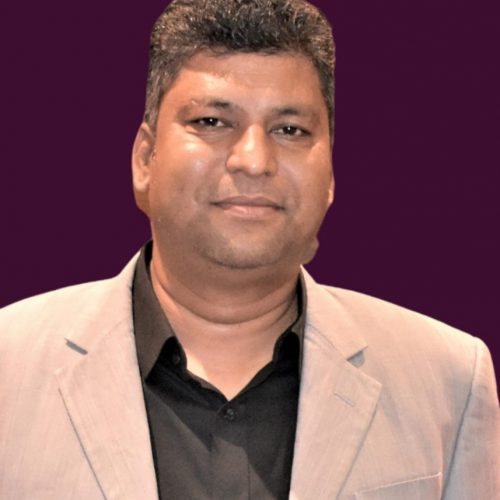
Saumitra Rajput
Saumitra Rajput is the founder of Kadamb Overseas Pvt. Ltd., India's leading Europe-focused study abroad consultancy based in Ahmedabad. With 14+ years of expertise in European education, he has personally counselled 2,500+ Indian families and helped 500+ students secure admission to top European universities including TU Munich, ETH Zurich, EPFL, KU Leuven, HEC Paris, Sapienza Rome, TU Wien, and Warsaw University of Technology. He has visited 25+ European universities, partners with 250+ EU institutions, and maintains a 500+ students placed.
Planning to Study Abroad?
Get free expert guidance from our experienced counselors

Saumitra Rajput
Saumitra Rajput is the founder and lead counsellor at Kadamb Overseas, India's trusted Europe education consultancy based in Ahmedabad. With 14+ years of hands-on experience, he has personally guided 500+ students to universities across Germany, Switzerland, France, Italy, Austria, and Spain. Saumitra has visited partner universities across Europe, holds deep expertise in European visa processes, scholarships, and student life, and has achieved a 97% visa success rate for his clients. He is the host of the YouTube channel "Europe with Saumitra", where he shares first-hand insights on studying and living in Europe. His mission: make Europe accessible to every Indian student, with zero consultancy fees.