
What is Blocked Account (Sperrkonto)?
A Blocked Account (Sperrkonto in German) is a special German bank account that Indian students must open to prove they have sufficient funds to live in Germany. As of 2026, the minimum required balance is EUR 11,904 (~ INR 10.6 lakhs), which equates to EUR 992/month for 12 months.
| Minimum balance 2026 | EUR 11,904 (~ INR 10.6 lakh) |
| Monthly limit | EUR 992/month (you can withdraw only this much) |
| Approved providers | Fintiba, Expatrio, Coracle, Deutsche Bank, Sutor Bank |
| Setup time | 1-2 weeks |
| Cost to setup | EUR 0-110 one-time |
| When to set up | After admission, before visa application |
| Required for | German student visa application |
Last Updated: September 7, 2026
Table of Contents
- What Is a Blocked Account? Understanding the Basics for Indian Students
- Blocked Account & Financial Proof Amounts by Country (2026): Complete Table
- Fintiba vs Expatrio vs Deutsche Bank: Which Blocked Account Provider Should Indian Students Choose in 2026?
- How to Open a Blocked Account from India: Complete Step-by-Step Process (2026)
- Documents Required to Open a Blocked Account from India (Complete Checklist)
- Complete Cost Breakdown: How Much Does a Blocked Account Really Cost Indian Students?
- Monthly Withdrawal Rules: How the Blocked Account Works After You Reach Europe
- Financial Proof Alternatives: What If You Cannot Open a Blocked Account?
- Education Loan vs Blocked Account: Which Is Better for Indian Students?
- 10 Expert Tips for Indian Students Opening a Blocked Account in 2026
- Country-by-Country Comparison: Financial Proof Requirements for Student Visas in Europe (2026)
- 15 Common Mistakes Indian Students Make with Blocked Accounts (And How to Avoid Them)
- Frequently Asked Questions: Blocked Account for Europe Student Visa 2026
- Key Takeaways: Blocked Account for Europe Student Visa 2026
- Need Help with Your Blocked Account or Europe Student Visa? We Are Here for You.
🕑 35 min read
Last Updated: March 2026
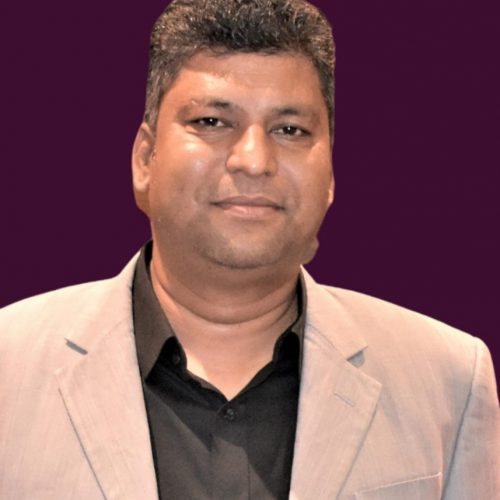
By Saumitra Rajput, Founder — Kadamb Overseas, Ahmedabad
Blocked Account for Europe Student Visa 2026: Amount, Process & Providers — The Complete Guide for Indian Students
If you are an Indian student planning to study in Europe in 2026, there is one financial requirement that can make or break your visa application — the blocked account. Whether you are heading to Germany, Austria, or another European country, understanding how blocked accounts work, how much money you need, and which provider to choose is absolutely essential.
Every year, thousands of Indian students face visa delays and rejections simply because they did not set up their blocked account correctly or did not understand the specific financial proof requirements for their destination country. This guide is designed to eliminate that confusion entirely.
In this comprehensive 2026 guide, we cover everything — from blocked account amounts for every major European destination, to a head-to-head comparison of Fintiba vs Expatrio vs Deutsche Bank, to step-by-step opening instructions, withdrawal rules, cost breakdowns, and expert tips from our team at Kadamb Overseas, Ahmedabad. Whether you are a first-generation study abroad applicant from a middle-class family or a seasoned planner comparing financial proof options, this is the only resource you will need.
Let us get started by answering the most important question first.
⚡ Quick Answer: Blocked Account Essentials at a Glance
| What is it? | A restricted bank account proving you can fund your living expenses in Europe |
| Germany 2026 Amount | EUR 11,904/year (₹10,71,360 at EUR 1 = ₹90) |
| Monthly Release | EUR 992/month in Germany |
| Top Providers | Fintiba (EUR 89), Expatrio (EUR 49), Deutsche Bank (EUR 0 setup) |
| Processing Time | 1–2 weeks (registration + fund transfer from India) |
| Who Needs It? | Mandatory for Germany; recommended or alternative for Austria, Netherlands, others |
| Expert Help | 📞 +91 9913333239 · 📧 support@kadamboverseas.com |
What Is a Blocked Account? Understanding the Basics for Indian Students
A blocked account — known as Sperrkonto in German — is a special type of restricted bank account that international students must open to prove to the embassy or consulate that they have enough money to support themselves financially while studying abroad. Unlike a regular savings account where you can deposit and withdraw freely, a blocked account locks your money and only releases a fixed amount each month.
Think of it this way: the European government wants to make sure that once you arrive in their country, you will not run out of money and become a financial burden. By requiring you to deposit an entire year’s worth of living expenses upfront and blocking the funds so they can only be accessed gradually, they create a safety net — both for you and for their social system.
Here is a simple breakdown of how it works:
| Feature | Regular Bank Account | Blocked Account (Sperrkonto) |
|---|---|---|
| Withdrawal Limit | No limit — withdraw anytime | Fixed monthly amount only (e.g., EUR 992/month) |
| Purpose | General banking | Financial proof for student visa |
| Accepted for Visa? | Usually NOT accepted | Officially recognized and accepted |
| Opening Location | Any bank in India or abroad | Specific approved providers only |
| Can Open from India? | Yes (Indian bank) / No (foreign bank) | Yes — fully online with Fintiba/Expatrio |
| Interest Earned | Varies by bank | Minimal or none |
The concept of a blocked account was originally pioneered by Germany, which has the most formal and well-defined system for it. However, several other European countries have adopted similar financial proof mechanisms, though they may not always use the exact term “blocked account.” Some countries accept regular bank statements with a minimum balance, while others have their own deposit requirements.
For Indian students in particular, the blocked account requirement is often the single most stressful part of the visa process — not because it is complicated, but because the amounts involved are significant (over ₹10 lakhs for Germany alone), and mistakes in the process can delay your entire admission timeline.
“The blocked account is not just a formality — it is your financial lifeline for the first year in Europe. I have seen students lose their visa appointments because they started the blocked account process too late. My advice to every Indian student: begin your blocked account setup at least 6–8 weeks before your visa appointment date.”
— Saumitra Rajput, Founder, Kadamb Overseas (Ahmedabad)
Why Do European Countries Require a Blocked Account?
European governments have several important reasons for requiring blocked accounts or equivalent financial proof from international students:
1. Preventing Financial Hardship: European countries have robust social welfare systems, but these are primarily funded by and designed for their own citizens and permanent residents. If international students arrive without adequate funds, they could face severe financial hardship — unable to pay rent, buy food, or cover basic necessities. The blocked account ensures students have a guaranteed monthly income.
2. Reducing Illegal Employment: Without financial security, students might be tempted to work more hours than their visa permits (typically 120 full days or 240 half days per year in Germany), or take up illegal employment. The blocked account reduces this risk by ensuring basic expenses are covered.
3. Visa Compliance and Accountability: By requiring a verifiable, third-party-managed financial proof, embassies can quickly assess whether an applicant genuinely has the means to study abroad. A blocked account confirmation letter from Fintiba or Expatrio is far more reliable than a bank statement that could be temporarily inflated.
4. Structured Financial Planning: The monthly release mechanism of blocked accounts actually helps students manage their money better. Instead of having access to the full amount and potentially spending it all in the first few months, the structured release ensures money lasts throughout the academic year.
Blocked Account & Financial Proof Amounts by Country (2026): Complete Table
The amount you need in your blocked account or as financial proof varies significantly from country to country. Germany has the most clearly defined blocked account system, while other European countries may use different terminology but require similar financial evidence. Below is a comprehensive table covering all major European study destinations for Indian students in 2026.
Exchange rate used: EUR 1 = ₹90 | SEK 1 = ₹8 | CHF 1 = ₹95 | DKK 1 = ₹12 | NOK 1 = ₹8 | PLN 1 = ₹21
| Country | Annual Amount | Monthly Amount | Amount in ₹ (Approx.) | Type of Proof | Blocked Account Mandatory? |
|---|---|---|---|---|---|
| Germany | EUR 11,904 | EUR 992 | ₹10,71,360 | Blocked Account (Sperrkonto) | ✅ Yes — Mandatory |
| Austria | EUR 12,791 | EUR 1,066 | ₹11,51,190 | Bank Statement / Blocked Account | ❌ Not mandatory (accepted) |
| France | EUR 7,896 | EUR 658 | ₹7,10,640 | Bank Statement / Sponsor Letter | ❌ Not required |
| Netherlands | EUR 13,104 | EUR 1,092 | ₹11,79,360 | Bank Statement / Scholarship | ❌ Not required |
| Sweden | SEK 10,314/month | SEK 10,314 | ₹89,90,144/year | Bank Statement (6 months) | ❌ Not required |
| Italy | EUR 6,600 | EUR 550 | ₹5,94,000 | Bank Statement / Scholarship | ❌ Not required |
| Spain | EUR 7,200 | EUR 600 | ₹6,48,000 | Bank Statement / Sponsor | ❌ Not required |
| Ireland | EUR 10,000 | EUR 833 | ₹89,00,000 | Bank Statement (min balance) | ❌ Not required |
| Denmark | DKK 109,164 | DKK 9,097 | ₹13,09,968 | Bank Statement / Deposit | ❌ Not required |
| Finland | EUR 8,040 | EUR 670 | ₹7,23,600 | Bank Statement / Blocked Account | ❌ Not mandatory (accepted) |
| Norway | NOK 137,907 | NOK 11,492 | ₹11,03,256 | Norwegian Blocked Account | ✅ Yes — Mandatory (deposit) |
| Switzerland | CHF 21,000 | CHF 1,750 | ₹19,95,000 | Bank Statement / Financial Guarantee | ❌ Not required (varies by canton) |
| Poland | PLN 30,000 | PLN 2,500 | ₹6,30,000 | Bank Statement | ❌ Not required |
Key Takeaway from the Table: Germany and Norway are the only European countries where a blocked account or equivalent deposit mechanism is strictly mandatory. For most other countries, bank statements showing sufficient balance for 3–6 months are acceptable. However, even in countries where a blocked account is not mandatory, having one can significantly strengthen your visa application.
“Many Indian families are shocked by the amounts when they first see the table. But here is the perspective I share: ₹10-11 lakhs in a blocked account is not an expense — it is a deposit. That money is yours. You will spend it on rent, food, and daily life in Europe over the next 12 months. Think of it as pre-paying your living expenses, not losing money.”
— Saumitra Rajput, Founder, Kadamb Overseas (Ahmedabad)
Country-Specific Notes for Indian Students
Germany: The blocked account amount was increased from EUR 11,208 to EUR 11,904 in 2024, and this amount remains valid for 2026 applications. The German embassy is very strict about this requirement — no blocked account means almost certain visa rejection. The monthly release amount is fixed at EUR 992, and you must deposit the full annual amount before your visa appointment.
Austria: While Austria does not use the term “blocked account” officially, they require proof of EUR 12,791 per year (EUR 1,066 per month). You can show this through a bank statement with a consistent balance, a scholarship confirmation, or a sponsor declaration along with the sponsor’s financial documents. Some students choose to open a German-style blocked account even for Austria as it provides a very clear financial proof.
France: France requires a minimum of EUR 658 per month (approximately EUR 7,896 per year). Financial proof can be provided through bank statements, a guarantor in France (attestation d’hébergement), a scholarship letter, or a combination of these. The Campus France process validates your financial documents before the visa stage.
Netherlands: Dutch universities and immigration authorities require proof of approximately EUR 13,104 per year. This is typically shown through bank statements. Some universities accept a declaration from parents combined with their bank statements. The amount is relatively high because cost of living in Dutch cities like Amsterdam and Rotterdam is significant.
Italy & Spain: These Southern European countries have comparatively lower financial proof requirements (EUR 6,600 and EUR 7,200 respectively), reflecting their lower cost of living. Bank statements are the primary proof method, and the requirements are generally less strict compared to Germany or the Netherlands.
Fintiba vs Expatrio vs Deutsche Bank: Which Blocked Account Provider Should Indian Students Choose in 2026?
Choosing the right blocked account provider is one of the most important financial decisions you will make as part of your study abroad journey. In 2026, there are three main providers that Indian students can choose from — Fintiba, Expatrio, and Deutsche Bank. Each has its own advantages, disadvantages, fee structures, and processing timelines. Let us break them down comprehensively.
| Feature | Fintiba | Expatrio | Deutsche Bank |
|---|---|---|---|
| Setup Fee | EUR 89 (₹8,010) | EUR 49 (₹4,410) | EUR 0 (Free setup) |
| Monthly Fee | EUR 4.90/month | EUR 0/month | EUR 3.90/month (approx.) |
| Partner Bank | Deutsche Bank | Sutor Bank | Deutsche Bank (direct) |
| Open from India? | ✅ Yes — fully online | ✅ Yes — fully online | ❌ No — must visit Germany branch |
| Identity Verification | Video-Ident (online) or Post-Ident | Video-Ident (online) or Post-Ident | In-person at branch |
| Processing Time | 3–5 business days | 3–5 business days | 1–2 weeks (after arrival) |
| Confirmation Letter | Instant (after deposit) | Instant (after deposit) | After branch verification |
| Health Insurance Bundle | ✅ Yes (optional add-on) | ✅ Yes (optional add-on) | ❌ No |
| Mobile App | ✅ Yes (iOS & Android) | ✅ Yes (iOS & Android) | ✅ Deutsche Bank app |
| Customer Support | Email + Chat (English) | Email + Chat (English) | Branch + Phone (mostly German) |
| Refund if Visa Rejected | ✅ Yes (deposit refundable) | ✅ Yes (deposit refundable) | ✅ Yes (deposit refundable) |
| Total Cost (Year 1) | EUR 89 + EUR 58.80 = EUR 147.80 (₹13,302) | EUR 49 + EUR 0 = EUR 49 (₹4,410) | EUR 0 + EUR 46.80 = EUR 46.80 (₹4,212) |
| Best For | Students wanting premium, fast service | Budget-conscious students in India | Students already in Germany |
| ⭐ Our Rating | 4.5/5 | 4.5/5 | 3.5/5 |
Detailed Provider Analysis
Fintiba — The Premium Choice
Fintiba is a Frankfurt-based fintech company that has become one of the most popular blocked account providers among Indian students. Founded in 2016, it partners with Deutsche Bank to offer a seamless, fully digital blocked account experience. The entire process — from registration to receiving your confirmation letter — can be completed from India without visiting any bank branch.
Advantages of Fintiba: The platform is very user-friendly with an intuitive interface. The confirmation letter is generated almost instantly after your deposit is received. Fintiba also offers a convenient health insurance add-on, which means you can handle two visa requirements (blocked account + health insurance) through a single platform. Their customer support is responsive and available in English.
Disadvantages of Fintiba: At EUR 89, the setup fee is the highest among the three providers. Additionally, the monthly maintenance fee of EUR 4.90 adds up to EUR 58.80 per year, making the total first-year cost EUR 147.80 (approximately ₹13,302). For budget-conscious Indian families, this premium pricing can be a deterrent.
Expatrio — The Budget-Friendly Favourite
Expatrio (formerly known as X-patrio) is another digital-first blocked account provider that has gained significant popularity among Indian students. It partners with Sutor Bank (a Hamburg-based private bank) and offers the lowest setup fee among online providers at just EUR 49.
Advantages of Expatrio: The most affordable online option with a setup fee that is EUR 40 less than Fintiba. There is no monthly maintenance fee, making the total annual cost just EUR 49 (₹4,410). Like Fintiba, it also offers health insurance as an optional add-on. The platform is available in multiple languages and has a strong reputation among international students.
Disadvantages of Expatrio: Some students have reported slightly slower customer support response times compared to Fintiba. The partner bank (Sutor Bank) is less well-known than Deutsche Bank, though this has no practical impact on the blocked account functionality. Occasionally, the video identification process can have longer wait times during peak application seasons (June–August).
Deutsche Bank — The Traditional Option
Deutsche Bank is Germany’s largest bank and was the original provider of blocked accounts long before Fintiba and Expatrio entered the market. Opening a blocked account directly with Deutsche Bank has no setup fee, but there is a significant catch — you must open the account in person at a Deutsche Bank branch in Germany.
Advantages of Deutsche Bank: No setup fee at all, making it the cheapest option if you are already in Germany. You get the credibility of Germany’s most recognized bank. The debit card and banking features are robust with extensive ATM networks across Germany.
Disadvantages of Deutsche Bank: Cannot be opened from India — this is a dealbreaker for most Indian students who need the blocked account confirmation before their visa appointment. The account can only be opened after you arrive in Germany, which creates a chicken-and-egg problem (you need the visa to go to Germany, but you need to go to Germany to open the account). Monthly fees apply. Customer support is primarily in German.
💡 Our Recommendation for Indian Students in 2026
For most Indian students applying from India, we recommend Expatrio as the best value-for-money option. At just EUR 49 (₹4,410) with no monthly fees, it saves you approximately ₹89,000 compared to Fintiba over the first year. If you prefer premium service and faster support, Fintiba is an excellent choice. Deutsche Bank is only suitable if you are already in Germany on a different visa and want to convert to a student visa.
How to Open a Blocked Account from India: Complete Step-by-Step Process (2026)
Opening a blocked account from India is a fully online process when using Fintiba or Expatrio. Here is the detailed, step-by-step guide covering everything from registration to receiving your confirmation letter. We have written this based on our experience helping hundreds of students at Kadamb Overseas.
Step 1: Choose Your Provider (Day 1)
Based on our comparison above, decide between Fintiba and Expatrio. Consider your budget, your timeline, and whether you also need health insurance through the same platform. If you are unsure, our team at Kadamb Overseas can help you decide based on your specific situation.
Step 2: Register Online (Day 1 — 15-30 minutes)
Visit the provider’s website and create an account. You will need to provide the following information during registration:
| Information Required | Details / Notes |
|---|---|
| Full name (as on passport) | Must match passport exactly — no abbreviations |
| Date of birth | DD/MM/YYYY format |
| Nationality | Indian |
| Passport number | Valid passport with 12+ months validity recommended |
| Email address | Use a reliable email — all communication happens here |
| Phone number | Indian mobile number with country code (+91) |
| Address in India | Your current residential address |
| University name in Germany/Europe | As per your admission letter |
| Course start date | Semester start date from admission letter |
Step 3: Pay the Setup Fee (Day 1)
After registration, you need to pay the one-time setup fee — EUR 89 for Fintiba or EUR 49 for Expatrio. This can typically be paid via international credit card (Visa/Mastercard), PayPal, or in some cases, bank transfer. Make sure your credit card is enabled for international transactions. If your card is declined, contact your Indian bank to enable international online payments.
Step 4: Complete Identity Verification (Days 2-4)
This is a crucial step required by German banking regulations (KYC — Know Your Customer). You have two options:
Option A — Video-Ident (Recommended): Schedule a video call through the provider’s platform. During the call, a verification agent will ask you to show your passport and confirm your identity. The call takes approximately 5-10 minutes. Important tips: ensure you have a stable internet connection, good lighting on your face, and keep your passport ready. Video-Ident is available from India and is the fastest option.
Option B — Post-Ident: This involves getting your identity verified at a postal office or authorized agent. For Indian students, this is less convenient as it may require visiting a German embassy or consulate for in-person verification. We generally recommend Video-Ident for Indian students.
Step 5: Receive Your Account Details (Days 3-5)
After successful identity verification, the provider will create your blocked account and send you the account details via email. These details include the IBAN (International Bank Account Number), BIC/SWIFT code, bank name, and the exact amount you need to deposit (EUR 11,904 for Germany in 2026).
Step 6: Transfer Funds from India (Days 5-12)
This is often the most time-consuming step. You need to transfer EUR 11,904 (approximately ₹10,71,360) from your Indian bank account to the German blocked account. Here are your transfer options:
| Transfer Method | Processing Time | Cost (Approx.) | Pros | Cons |
|---|---|---|---|---|
| SWIFT Wire Transfer (Bank) | 3–7 business days | ₹1,500–3,000 + forex markup | Most reliable; banks familiar with process | Slower; higher fees; need to visit bank branch |
| Wise (TransferWise) | 1–3 business days | ₹4,000–6,000 (transparent fee) | Fastest; best exchange rate; fully online | Transfer limits may apply; needs online setup |
| Western Union | 1–3 business days | ₹2,000–5,000 | Wide availability; can send from branches | Exchange rate may not be the best |
| Forex Dealer | 2–5 business days | ₹1,000–3,000 | Competitive rates; personal service | Must verify dealer credibility; varies by city |
| Education Loan Disbursement | 5–10 business days | Included in loan processing | If you already have a loan, bank handles transfer | Slowest option; depends on loan bank’s process |
Important Note on RBI Regulations: Under the Reserve Bank of India’s Liberalized Remittance Scheme (LRS), Indian residents can remit up to USD 250,000 per financial year for education abroad. Transferring EUR 11,904 (approximately USD 13,000) for a blocked account falls well within this limit. You will need to fill out Form A2 at your bank and provide your admission letter as proof that the transfer is for educational purposes. The bank may also collect Tax Collected at Source (TCS) of 5% on amounts exceeding ₹7 lakhs under LRS (as per 2026 rules — consult your CA for the latest applicable rate).
Step 7: Receive Confirmation Letter (Day 12-14)
Once the full amount (EUR 11,904) is received in your blocked account, Fintiba or Expatrio will generate a Blocked Account Confirmation Letter (Sperrkonto-Bestätigung). This letter is your golden ticket — it is the document you submit to the German embassy as part of your visa application. The letter is typically generated within hours of the deposit being credited and is available for download in PDF format from your provider’s dashboard.
“The number one mistake I see Indian students make is underestimating the time needed for the international wire transfer. Indian banks, especially PSU banks like SBI and PNB, can take 5-7 working days to process an international transfer. If you add weekends and public holidays, that is easily 10 calendar days. My rule of thumb: start the blocked account process at least 45 days before your visa appointment.”
— Saumitra Rajput, Founder, Kadamb Overseas (Ahmedabad)
Documents Required to Open a Blocked Account from India (Complete Checklist)
Before you start the registration process, make sure you have all the necessary documents ready. Missing even one document can delay your application by days or weeks. Here is the complete checklist:
| # | Document | Details | Tips for Indian Students |
|---|---|---|---|
| 1 | Valid Passport | Colour scan of passport bio page; must be valid for 12+ months beyond planned arrival | If your passport expires soon, apply for renewal at regional passport office immediately |
| 2 | University Admission Letter | Official admission/acceptance letter from your European university | Conditional offers are usually accepted; confirm with your provider |
| 3 | Email Address | Active email for all account communications and confirmation letter | Use Gmail or Outlook; avoid college emails that may expire |
| 4 | Phone Number | Mobile number with country code for verification | Indian +91 number works fine |
| 5 | Address Proof | Current residential address (Indian address is fine) | Aadhaar card address or utility bill |
| 6 | International Debit/Credit Card | For paying the setup fee online | Enable international transactions on your card; Visa/Mastercard recommended |
| 7 | Proof of Funds for Transfer | Bank statement showing sufficient balance to transfer EUR 11,904 | Your Indian bank needs this for LRS compliance and Form A2 |
| 8 | PAN Card | Required by Indian banks for foreign remittance (Form A2) | Both student’s and parent’s PAN if parent is funding |
| 9 | Form A2 (Filled) | RBI-mandated form for foreign remittance under LRS | Your bank provides this; fill carefully — purpose: “Education Abroad” |
Pro Tip: Keep digital copies (high-resolution scans or clear photos) of all documents saved in a dedicated folder on your phone and laptop. During the Video-Ident process, you may need to quickly show your passport, and having documents readily accessible saves time and reduces stress.
Complete Cost Breakdown: How Much Does a Blocked Account Really Cost Indian Students?
Beyond the deposit amount itself, there are several costs associated with opening and maintaining a blocked account that Indian students should budget for. Let us break down every rupee you will spend.
| Cost Component | Fintiba (EUR) | Fintiba (₹) | Expatrio (EUR) | Expatrio (₹) |
|---|---|---|---|---|
| Blocked Account Deposit | 11,904 | 10,71,360 | 11,904 | 10,71,360 |
| Setup Fee | 89 | 8,010 | 49 | 4,410 |
| Monthly Fee (12 months) | 58.80 | 5,292 | 0 | 0 |
| Wire Transfer Fee (India to Germany) | ~20-35 | 1,800–3,150 | ~20-35 | 1,800–3,150 |
| Forex Markup (bank spread, ~1-2%) | ~120-240 | 10,800–21,600 | ~120-240 | 10,800–21,600 |
| TCS (5% above ₹7 lakhs under LRS) | — | ~18,568 | — | ~18,568 |
| TOTAL (Approx.) | ~12,192-12,327 | ₹11,15,830–₹11,27,980 | ~12,093-12,228 | ₹11,06,938–₹11,19,088 |
Understanding TCS (Tax Collected at Source): Since October 2023, the Indian government collects TCS on foreign remittances under LRS exceeding ₹7 lakhs per financial year. For education purposes funded by a loan from a financial institution, the TCS rate is 0.5% above ₹7 lakhs. For self-funded education remittances, the rate is 5% above ₹7 lakhs. This TCS is not an additional tax — it is adjustable against your income tax liability when filing your ITR. Your Chartered Accountant can claim it as advance tax paid.
How to Minimize Transfer Costs:
1. Use Wise (TransferWise) — Generally offers the best exchange rate with transparent fees. The mid-market rate from Wise typically saves ₹5,000–10,000 compared to traditional bank wire transfers.
2. Compare forex rates — Check rates from at least 3 sources (your bank, Wise, and a local forex dealer) before transferring. Even a ₹0.50 difference per EUR translates to ₹5,952 on EUR 11,904.
3. Transfer during favourable rates — The EUR/INR rate fluctuates daily. If you have flexibility, monitor the rate for a week or two and transfer when it is favourable. Setting up a rate alert on apps like XE or Wise can help.
4. Consider education loan disbursement — If you have an education loan, the bank may handle the international transfer at preferential rates and lower TCS (0.5% instead of 5%).
Monthly Withdrawal Rules: How the Blocked Account Works After You Reach Europe
Once you arrive in Germany (or your destination country) and activate your blocked account at a local bank branch, the monthly release mechanism kicks in. Understanding how this works is essential for planning your finances in Europe.
How Monthly Withdrawals Work
| Rule | Details (Germany 2026) |
|---|---|
| Monthly Release Amount | EUR 992 per month (₹89,280) |
| Release Date | Typically on the 1st of each month (automatic) |
| Can You Withdraw More? | No — maximum EUR 992/month from blocked portion |
| Unused Monthly Amount | Rolls over to your regular account; available for withdrawal |
| First Month Release | Released upon account activation (may be immediate or within days) |
| Can You Add More Money? | Yes — additional deposits go to unblocked portion (freely accessible) |
| What if You Need Emergency Funds? | Cannot access blocked funds early; have parents send emergency money separately |
| Account Closure | After all blocked funds are released (12 months), account functions as regular account |
Practical Tip: EUR 992 per month covers basic living expenses in most German cities (rent in a shared apartment: EUR 300-500, food: EUR 200-250, transport: EUR 50-80, miscellaneous: EUR 100-150). However, in expensive cities like Munich or Frankfurt, EUR 992 may feel tight. We recommend that Indian students keep an additional EUR 100-200 per month accessible through a regular account or have parents send supplementary funds as needed.
Sample Monthly Budget for an Indian Student in Germany (2026)
| Expense Category | Small City (e.g., Jena) | Big City (e.g., Munich) |
|---|---|---|
| Rent (shared apartment) | EUR 280–350 | EUR 500–700 |
| Groceries & food | EUR 180–220 | EUR 220–280 |
| Health insurance | EUR 110–120 | EUR 110–120 |
| Semester ticket / transport | EUR 30–50 | EUR 49 (Deutschlandticket) |
| Phone & internet | EUR 15–25 | EUR 15–25 |
| Study materials | EUR 20–40 | EUR 20–40 |
| Personal / miscellaneous | EUR 80–120 | EUR 100–150 |
| TOTAL | EUR 715–925 | EUR 1,014–1,364 |
As you can see, EUR 992/month is comfortable for smaller cities but may require supplementing in expensive metros. This is why choosing an affordable city for your studies can have a massive impact on your financial comfort during your master’s degree.
Financial Proof Alternatives: What If You Cannot Open a Blocked Account?
While a blocked account is the gold standard for financial proof (especially for Germany), it is not the only option available for all European countries. If you are applying to a country where a blocked account is not mandatory, or if you face specific challenges with opening one, here are the alternative methods of financial proof that European embassies and consulates accept.
| Alternative | Accepted In | Requirements | Strength of Proof | Recommended? |
|---|---|---|---|---|
| Blocked Account (Sperrkonto) | Germany (mandatory), Austria, Finland | Full annual amount deposited | ⭐⭐⭐⭐⭐ Strongest | ✅ Highly recommended |
| Bank Statements (3-6 months) | France, Italy, Spain, Ireland, Netherlands, Poland | Consistent balance showing required minimum; stamped by bank | ⭐⭐⭐⭐ Strong | ✅ Recommended |
| Scholarship Letter | All European countries | Official letter stating amount and duration of scholarship | ⭐⭐⭐⭐⭐ Strongest | ✅ Best option (if available) |
| Education Loan Sanction Letter | Most countries (supplementary proof) | Bank-issued letter showing approved loan amount covering tuition + living | ⭐⭐⭐ Moderate | ⚠️ Use with other proof |
| Sponsor Declaration (Parent/Relative) | France, Italy, Spain, Netherlands, Austria | Formal declaration + sponsor’s bank statements + proof of relationship | ⭐⭐⭐ Moderate | ⚠️ Acceptable but weaker |
| Fixed Deposit Certificate | Some countries (supplementary) | FD receipt showing amount and maturity date | ⭐⭐ Weak | ❌ Only as supplement |
| Income Tax Returns (Parent) | France (Campus France), some others | 3 years ITR showing stable income sufficient to fund studies | ⭐⭐⭐ Moderate | ⚠️ Supportive document only |
Important Note for Germany: For a German student visa, a blocked account is effectively non-negotiable. While technically the German embassy guidelines mention alternatives like a formal obligation letter (Verpflichtungserklärung) from a German resident or a scholarship that covers living costs, the blocked account remains by far the most common and most reliably accepted form of proof. Our strong recommendation is: if you are going to Germany, open a blocked account — do not try to rely solely on alternatives.
For Other Countries: If you are applying to France, Italy, Spain, or other countries where bank statements are accepted, ensure your bank statements meet these criteria: (a) cover at least the last 3-6 months, (b) show a consistent balance at or above the required amount, (c) are stamped and signed by the bank manager, (d) clearly show the account holder’s name matching the passport, and (e) are recent — not older than 4 weeks at the time of visa application submission.
“I always tell Indian families: the financial proof stage is where you demonstrate to the embassy that you are a genuine, well-prepared student and not a financial risk. Weak financial documents are the number one reason for student visa rejections from India. Even if a country accepts bank statements, having a strong, consistent 6-month bank balance with clear income sources gives your application an edge that a last-minute lump-sum deposit simply cannot.”
— Saumitra Rajput, Founder, Kadamb Overseas (Ahmedabad)
Education Loan vs Blocked Account: Which Is Better for Indian Students?
This is one of the most frequently asked questions we receive at Kadamb Overseas. Many Indian families wonder whether they should take an education loan or fund the blocked account from savings (or a combination of both). The answer depends on your family’s financial situation, but understanding the differences is crucial for making the right decision.
| Factor | Education Loan | Self-Funded Blocked Account |
|---|---|---|
| Source of Funds | Bank loan (borrowed money) | Family savings or investments |
| Interest Cost | 8.5%–12% per annum (varies by bank) | None (your own money) |
| Repayment | EMIs start after moratorium period (6-12 months post-course) | No repayment — money is yours |
| Tax Benefit | Section 80E deduction on interest (up to 8 years) | No tax benefit |
| TCS Rate (under LRS) | 0.5% above ₹7 lakhs (lower) | 5% above ₹7 lakhs (higher) |
| Processing Time | 2–6 weeks (loan approval + disbursement) | 1–2 weeks (blocked account setup + transfer) |
| Collateral Required? | Up to ₹7.5 lakhs: No collateral; Above: Collateral usually needed | Not applicable |
| Documentation | Extensive — admission letter, co-borrower documents, income proof, ITR, etc. | Minimal — passport, admission letter, basic KYC |
| Covers Tuition Too? | Yes — loan covers both tuition and living expenses | No — blocked account is only for living expenses |
| Financial Stress | Post-study EMI burden; pressure to find job quickly | No debt; more freedom in career choices |
| Best For | Families who cannot arrange ₹10-15 lakhs upfront; students going to paid-tuition universities | Families with savings; students in tuition-free programs (Germany) |
The Smart Combination Approach
Many of our students at Kadamb Overseas use a hybrid approach that combines the advantages of both options:
Strategy 1 — Loan for Tuition, Savings for Blocked Account: If you are attending a university that charges tuition (like some programs in the Netherlands or Ireland), take an education loan to cover tuition fees and use family savings for the blocked account. This way, the loan covers the larger expense, and the blocked account remains debt-free.
Strategy 2 — Full Loan with Blocked Account Transfer: Take an education loan that covers both tuition and living expenses. The bank directly transfers the blocked account amount as part of the loan disbursement. This is common with banks like SBI, Bank of Baroda, and HDFC Credila. The advantage is the lower TCS rate (0.5% vs 5%) and the Section 80E tax benefit on interest.
Strategy 3 — Family Savings Only: If your family has sufficient savings, funding the blocked account entirely from savings is the most cost-effective approach — no interest charges, no EMI burden, and no loan documentation hassle. This is ideal for students going to tuition-free German universities where the total investment is only the blocked account amount (approximately ₹10.7 lakhs).
Strategy 4 — Partial Loan with FD as Collateral: Some families break a fixed deposit to fund the blocked account while taking a smaller education loan against the same FD as collateral. This gets you a lower interest rate on the loan while still maintaining financial flexibility.
10 Expert Tips for Indian Students Opening a Blocked Account in 2026
After helping hundreds of students navigate the blocked account process, here are our top 10 expert tips that can save you time, money, and stress.
Tip 1: Start Early — At Least 6-8 Weeks Before Your Visa Appointment
The biggest mistake is procrastination. Between provider registration, identity verification, international wire transfer, and receiving the confirmation letter, the entire process can take 2-3 weeks. Add in potential delays (bank holidays, transfer issues, verification problems), and you need a comfortable buffer. We recommend starting the process at least 6-8 weeks before your visa appointment to avoid last-minute panic.
Tip 2: Double-Check Your Name on All Documents
Your name on the blocked account must exactly match your passport. This sounds obvious, but we have seen countless cases where students used a slightly different name format (e.g., middle name included vs excluded, or initials instead of full name). Even a minor mismatch can cause issues during visa processing. Before submitting your blocked account registration, verify that every letter of your name matches your passport bio page exactly.
Tip 3: Use Wise (TransferWise) for the Best Exchange Rate
Traditional Indian banks typically add a 1.5-3% forex markup above the mid-market rate. On a transfer of EUR 11,904, this can cost you ₹14,000-₹28,000 extra. Wise uses the mid-market rate with a transparent fee, typically saving Indian students ₹8,000-₹15,000 compared to bank wire transfers. The transfer is also faster (1-3 business days vs 5-7 for traditional banks). Just ensure your Wise account is verified before you need to make the transfer.
Tip 4: Enable International Transactions on Your Card Before Starting
To pay the setup fee (EUR 49 or EUR 89), you need an international-enabled debit or credit card. Many Indian bank cards have international transactions disabled by default. Contact your bank or use net banking to enable international online transactions at least 2-3 days before you plan to register. Also, set your daily transaction limit high enough to cover the fee.
Tip 5: Keep the Wire Transfer Reference/Receipt Safe
When you make the international wire transfer from your Indian bank, you will receive a transaction reference number and receipt. Keep this safe — both physical and digital copies. If there is any delay in the funds reaching your blocked account, this reference number is essential for tracking the transfer. Also, the bank receipt serves as proof that you initiated the transfer, which can be helpful in case of disputes.
Tip 6: Transfer Slightly More Than the Minimum Amount
Always transfer EUR 50-100 more than the required EUR 11,904. International transfers can sometimes arrive with deductions due to intermediary bank charges (correspondent bank fees). If your deposit arrives at EUR 11,880 instead of EUR 11,904, the provider will not issue the confirmation letter until the full amount is received — causing delays while you arrange the shortfall. Transferring EUR 12,000-12,050 gives you a comfortable cushion. The extra amount goes into your unblocked balance and is freely accessible.
Tip 7: Schedule Your Video-Ident During Off-Peak Hours
The Video-Ident service can have long wait times during peak hours, especially between June and August when thousands of students are applying simultaneously. We recommend scheduling your video call early in the morning (European time — which is afternoon IST) or during weekdays rather than weekends. Having your passport ready, good lighting, a clean background, and a stable internet connection will ensure the process goes smoothly.
Tip 8: Inform Your Indian Bank in Advance About the Large Transfer
A sudden international transfer of ₹10+ lakhs from an Indian bank account can trigger fraud alerts and cause the transfer to be held. Visit your bank branch in person a few days before the transfer, explain that you are sending money for a student blocked account in Europe, and ask them to pre-approve the transaction. Carry your admission letter and the blocked account details as supporting documentation. This pre-notification can save you from frustrating delays.
Tip 9: Download and Print the Confirmation Letter Immediately
The moment you receive your blocked account confirmation letter, download it, save it to multiple locations (cloud storage, email, USB drive), and print at least 3 physical copies. You will need this letter for your visa appointment, and you may also need it during your initial days in Europe for apartment registration (Anmeldung) or university enrollment. Do not rely on a single digital copy — always have backups.
Tip 10: Consult a Professional for Complex Financial Situations
If your financial situation is complex — multiple income sources, business income, NRI family members funding your education, education loan combined with personal savings — consult a professional visa consultant like Kadamb Overseas. We can help structure your financial proof package to present the strongest possible case to the embassy. Small details in how financial documents are presented can make the difference between a visa approval and a rejection.
Country-by-Country Comparison: Financial Proof Requirements for Student Visas in Europe (2026)
This comprehensive comparison table helps you understand the full financial landscape across major European study destinations. Use this to compare countries side by side and plan your finances accordingly.
| Country | Annual Financial Proof | In ₹ (Approx.) | Proof Type | Avg. Tuition (Masters) | Total Year 1 Cost (₹) | Part-Time Work |
|---|---|---|---|---|---|---|
| Germany | EUR 11,904 | ₹10,71,360 | Blocked Account | EUR 0-500/semester | ₹11-12 lakhs | 120 full days/year |
| Austria | EUR 12,791 | ₹11,51,190 | Bank Statement | EUR 726-1,452/semester | ₹12-14 lakhs | 20 hrs/week |
| France | EUR 7,896 | ₹7,10,640 | Bank Statement/Sponsor | EUR 243-3,770/year | ₹8-11 lakhs | 964 hrs/year |
| Netherlands | EUR 13,104 | ₹11,79,360 | Bank Statement | EUR 8,000-20,000/year | ₹19-30 lakhs | 16 hrs/week |
| Italy | EUR 6,600 | ₹5,94,000 | Bank Statement | EUR 0-4,000/year | ₹6-10 lakhs | 20 hrs/week |
| Spain | EUR 7,200 | ₹6,48,000 | Bank Statement/Sponsor | EUR 1,500-5,000/year | ₹8-11 lakhs | 20 hrs/week |
| Ireland | EUR 10,000 | ₹89,00,000 | Bank Statement | EUR 10,000-25,000/year | ₹18-32 lakhs | 20 hrs/week |
| Sweden | SEK 123,768/year | ₹89,90,144 | Bank Statement | SEK 80,000-295,000/year | ₹16-33 lakhs | No limit |
| Finland | EUR 8,040 | ₹7,23,600 | Bank Statement | EUR 4,000-18,000/year | ₹11-24 lakhs | 25 hrs/week (term) |
| Poland | PLN 30,000 | ₹6,30,000 | Bank Statement | EUR 2,000-6,000/year | ₹8-12 lakhs | 20 hrs/week |
Key Insight: Germany stands out as the most affordable destination when you consider the combination of near-zero tuition, a clear blocked account system, and generous part-time work allowances. The total first-year investment of approximately ₹11-12 lakhs (almost entirely the blocked account, which is your living money) makes Germany unbeatable for Indian students from middle-class families.
15 Common Mistakes Indian Students Make with Blocked Accounts (And How to Avoid Them)
Having processed hundreds of blocked account applications, we have compiled the most common mistakes that Indian students make. Avoiding these pitfalls can save you weeks of delay and significant stress.
| # | Mistake | Consequence | How to Avoid |
|---|---|---|---|
| 1 | Starting the process too late | Missing visa appointment; entire timeline delayed | Begin 6-8 weeks before visa appointment |
| 2 | Name mismatch between passport and account | Account rejection; need to re-register | Triple-check name matches passport exactly |
| 3 | Transferring less than required amount | Confirmation letter not issued; need additional transfer | Transfer EUR 50-100 extra to cover intermediary fees |
| 4 | Not enabling international transactions on card | Cannot pay setup fee; registration stalled | Enable intl. transactions 2-3 days before |
| 5 | Poor internet during Video-Ident | Verification fails; need to reschedule (delays by days) | Use stable WiFi; have backup mobile data |
| 6 | Forgetting Form A2 for bank transfer | Bank refuses to process transfer; extra visit needed | Prepare Form A2 with admission letter before bank visit |
| 7 | Sending money from a different person’s account | May cause compliance issues; possible rejection | Send from student’s or parent’s account with clear trail |
| 8 | Not informing Indian bank about large transfer | Transfer held for fraud check; 3-5 day delay | Pre-notify bank branch about upcoming large transfer |
| 9 | Choosing Deutsche Bank without being in Germany | Cannot open account from India; wasted time | Use Fintiba or Expatrio if applying from India |
| 10 | Not saving confirmation letter properly | Cannot access letter for visa appointment | Save to cloud, email, USB + print 3 copies |
| 11 | Ignoring TCS implications | Unexpected tax deduction of ₹18,000+ | Budget for TCS; consult CA for claiming refund |
| 12 | Using an expired or soon-to-expire passport | Account registration rejected; entire process restarted | Ensure 12+ months validity before starting |
| 13 | Not considering forex rate fluctuations | Paying ₹10,000-₹25,000 extra unnecessarily | Monitor rates; use Wise; set rate alerts |
| 14 | Confusing blocked account with regular bank account | Opening wrong type of account; wasted time and money | Only use approved providers (Fintiba/Expatrio) |
| 15 | Not carrying printed documents to visa appointment | Turned away from appointment; need to reschedule | Print all documents including blocked account confirmation |
“In my ten years of experience as a study abroad consultant, I can tell you that almost every blocked account problem is caused by one of these 15 mistakes. The good news is that every single one of them is 100% preventable with proper planning. That is exactly why guided assistance from an experienced consultant is invaluable — we have seen every mistake in the book and know how to help you avoid them.”
— Saumitra Rajput, Founder, Kadamb Overseas (Ahmedabad)
Frequently Asked Questions: Blocked Account for Europe Student Visa 2026
Here are the 10 most frequently asked questions we receive from Indian students and parents about blocked accounts. Click on each question to read the detailed answer.
FAQ 1: What is a blocked account for a European student visa?
A blocked account (Sperrkonto in German) is a special bank account that international students must open to prove they have sufficient funds to cover their living expenses while studying in Europe. The money is “blocked” so you cannot withdraw the full amount at once — instead, a fixed monthly amount is released to cover your living costs. For Germany in 2026, you need EUR 11,904 (₹10,71,360) deposited in the account, and EUR 992 is released each month after you arrive. The blocked account confirmation letter is a mandatory document for your German student visa application.
FAQ 2: How much money is required in a blocked account for Germany in 2026?
For Germany in 2026, the required blocked account amount is EUR 11,904 per year (EUR 992 per month multiplied by 12 months). At the current exchange rate of EUR 1 = ₹90, this amounts to approximately ₹10,71,360. We recommend transferring EUR 12,000-12,050 to account for any intermediary bank charges that might reduce the received amount. The monthly release after arrival is EUR 992, which is designed to cover rent, food, transport, and basic living expenses in German cities.
FAQ 3: Which is better — Fintiba or Expatrio for a blocked account?
Both are excellent choices for Indian students, but they differ in cost. Fintiba charges EUR 89 setup fee plus EUR 4.90/month (total ~EUR 148/year or ₹13,302) and partners with Deutsche Bank. Expatrio charges EUR 49 setup fee with no monthly fees (total EUR 49/year or ₹4,410) and partners with Sutor Bank. For most Indian students, Expatrio offers better value. However, if you want a premium experience with potentially faster support and the credibility of a Deutsche Bank partnership, Fintiba is worth the extra cost. Both offer health insurance add-ons and mobile apps.
FAQ 4: Can I use an education loan instead of a blocked account for Germany?
For Germany, a blocked account is the most commonly accepted and strongly preferred form of financial proof. While the German embassy technically accepts a few alternatives (like a formal obligation letter from a German resident), a blocked account is practically mandatory for Indian applicants. If you have an education loan, the best approach is to have the loan bank disburse the blocked account amount directly to Fintiba/Expatrio as part of the loan disbursement. This way, you use the education loan funds but still have the blocked account confirmation that the embassy expects.
FAQ 5: How long does it take to open a blocked account from India?
The total time from start to finish is typically 1-3 weeks. Here is the breakdown: Online registration takes 15-30 minutes (Day 1). Identity verification (Video-Ident) takes 1-3 business days (Days 2-4). Receiving account details takes 1-2 business days (Days 3-5). International wire transfer from India takes 3-7 business days (Days 5-12). Confirmation letter is issued within hours of deposit receipt (Day 12-14). However, delays can occur due to bank holidays, transfer issues, or peak season wait times. We strongly recommend starting at least 6-8 weeks before your visa appointment to have a comfortable buffer.
FAQ 6: Do all European countries require a blocked account?
No, not all European countries require a blocked account specifically. Germany is the primary country where a formal blocked account (Sperrkonto) is mandatory. Norway also requires a mandatory deposit into a Norwegian bank account. Other countries like France, Netherlands, Italy, Spain, Ireland, Sweden, Austria, and Finland accept alternative forms of financial proof such as bank statements showing sufficient balance, scholarship letters, sponsor declarations, or education loan sanction letters. However, even in these countries, stronger financial proof always leads to higher visa approval chances.
FAQ 7: Can I withdraw all the money from my blocked account at once?
No, that is the entire point of a “blocked” account — the funds are restricted to prevent you from spending them all at once. In Germany, EUR 992 is released each month automatically. You can withdraw up to this monthly limit from the blocked portion. If you do not spend the full EUR 992 in a month, the unused amount rolls over to your regular (unblocked) balance and becomes freely accessible. If you deposit additional money beyond the required EUR 11,904, the extra goes into the unblocked portion and can be withdrawn anytime. The blocked funds are fully released after 12 months.
FAQ 8: What happens to the blocked account money if my visa is rejected?
If your visa is rejected, you can request a full refund of the deposited amount (EUR 11,904) from your blocked account provider. Both Fintiba and Expatrio have refund processes in place. You need to submit a refund request along with the visa rejection letter. The deposited amount will be returned to your Indian bank account, typically within 2-4 weeks, minus any international transfer fees. The setup fee (EUR 49 or EUR 89) is generally non-refundable. This is why even in the worst-case scenario, you only lose the setup fee — the bulk of your money is safe.
FAQ 9: Is a blocked account the same as a regular savings account?
No, they are fundamentally different. A regular savings account allows unlimited deposits and withdrawals at any time. A blocked account restricts your access to a fixed monthly amount, and the primary purpose is to serve as verifiable financial proof for a student visa. A regular Indian savings account bank statement is not accepted by the German embassy for a student visa — you must have a formal blocked account. However, in other European countries that do not require a blocked account, bank statements from regular accounts (Indian or otherwise) are typically accepted as financial proof, provided they show the required minimum balance consistently.
FAQ 10: How can Kadamb Overseas help with my blocked account process?
Kadamb Overseas provides complete end-to-end assistance with the blocked account process. Our services include: helping you choose the right provider (Fintiba vs Expatrio) based on your specific situation, guiding you through the online registration step by step, assisting with document preparation and identity verification, advising on the most cost-effective international wire transfer method, troubleshooting any delays or issues during the process, and ensuring your confirmation letter is correctly formatted for your visa appointment. We also provide comprehensive visa application support beyond just the blocked account. Contact us at 📞 +91 9913333239 or 📧 support@kadamboverseas.com for a free consultation.
Key Takeaways: Blocked Account for Europe Student Visa 2026
After reading this comprehensive guide, here are the most important points every Indian student should remember:
1. A blocked account is mandatory for Germany (EUR 11,904 / ₹10,71,360 for 2026) and strongly recommended for other European countries to strengthen your visa application.
2. Expatrio (EUR 49) is the best value-for-money provider for Indian students; Fintiba (EUR 89) is the premium alternative; Deutsche Bank is only for students already in Germany.
3. Start the blocked account process 6-8 weeks before your visa appointment to account for registration, verification, and international wire transfer timelines.
4. Always transfer EUR 50-100 extra beyond the minimum to cover potential intermediary bank charges and avoid delays in receiving your confirmation letter.
5. Use Wise (TransferWise) for the best exchange rate — it can save you ₹8,000-₹15,000 compared to traditional Indian bank wire transfers.
6. Budget for hidden costs including setup fees, wire transfer charges, forex markup, and TCS (5% above ₹7 lakhs for self-funded; 0.5% for loan-funded remittances).
7. EUR 992/month is released in Germany — this is comfortable for small cities but may be tight in Munich or Frankfurt. Plan supplementary funds if needed.
8. The blocked account deposit is not an expense — it is your own money that you will use for living expenses over 12 months. Think of it as pre-paying rent and food.
9. Your name on the blocked account must exactly match your passport — even minor discrepancies can cause visa processing issues.
10. When in doubt, seek professional guidance. A single mistake in the blocked account process can delay your entire study abroad journey by weeks or months.
“Every year, I see Indian students transform their lives by studying in Europe — getting world-class education at a fraction of the cost of the US or UK, and then building incredible careers. The blocked account is just the first step in that journey. Do not let the process intimidate you. With the right guidance and proper planning, it is straightforward. We at Kadamb Overseas are here to make sure your path to Europe is smooth and stress-free.”
— Saumitra Rajput, Founder, Kadamb Overseas (Ahmedabad)
Need Help with Your Blocked Account or Europe Student Visa? We Are Here for You.
At Kadamb Overseas, Ahmedabad, we have helped hundreds of Indian students successfully navigate the blocked account process, secure their student visas, and begin their European education journeys. Whether you are confused about which provider to choose, struggling with the wire transfer, or need comprehensive visa application support — our expert team is ready to guide you every step of the way.
Get Free Expert Consultation Today
Blocked Account Setup · Visa Application Support · University Admissions · Complete Study Abroad Guidance
Kadamb Overseas — Your Trusted Study Abroad Partner in Ahmedabad, Gujarat
Our Services Include:
| Service | What We Do |
|---|---|
| Blocked Account Assistance | Provider selection, registration guidance, transfer support, confirmation verification |
| Student Visa Application | Complete documentation, appointment booking, interview preparation, financial proof packaging |
| University Selection & Admission | Profile evaluation, university shortlisting, application support, SOP review |
| Education Loan Guidance | Bank selection, documentation, disbursement coordination with blocked account |
| Health Insurance | Choosing the right insurance provider, coverage comparison, enrollment support |
| Pre-Departure Briefing | Accommodation tips, airport pickup coordination, first-week survival guide, community connections |
Do not leave your European education dreams to chance. Contact Kadamb Overseas today and let our experienced team ensure your blocked account, visa, and admission process is handled with precision and care.
Disclaimer: The information in this article is accurate as of March 2026. Blocked account amounts, financial proof requirements, visa regulations, exchange rates, and tax rules are subject to change. Always verify the latest requirements from official embassy/consulate websites and consult a qualified professional for advice specific to your situation. Exchange rate used: EUR 1 = ₹90 (approximate). Actual rates may vary at the time of your transfer.
Published by Kadamb Overseas, Ahmedabad, Gujarat. All rights reserved. For the latest updates and guides on studying in Europe, visit kadamboverseas.com.
Saumitra Rajput
Saumitra Rajput is the founder of Kadamb Overseas Pvt. Ltd., India's leading Europe-focused study abroad consultancy based in Ahmedabad. With 14+ years of expertise in European education, he has personally counselled 2,500+ Indian families and helped 500+ students secure admission to top European universities including TU Munich, ETH Zurich, EPFL, KU Leuven, HEC Paris, Sapienza Rome, TU Wien, and Warsaw University of Technology. He has visited 25+ European universities, partners with 250+ EU institutions, and maintains a 500+ students placed.
Planning to Study Abroad?
Get free expert guidance from our experienced counselors

Saumitra Rajput
Saumitra Rajput is the founder and lead counsellor at Kadamb Overseas, India's trusted Europe education consultancy based in Ahmedabad. With 14+ years of hands-on experience, he has personally guided 500+ students to universities across Germany, Switzerland, France, Italy, Austria, and Spain. Saumitra has visited partner universities across Europe, holds deep expertise in European visa processes, scholarships, and student life, and has achieved a 97% visa success rate for his clients. He is the host of the YouTube channel "Europe with Saumitra", where he shares first-hand insights on studying and living in Europe. His mission: make Europe accessible to every Indian student, with zero consultancy fees.