
Last Updated: September 7, 2026
Table of Contents
- What Is a Post-Study Work Visa (PSW) in Europe?
- Country-by-Country Deep Dive: Post-Study Work Visa in Europe 2026
- 🇩🇪 Germany — 18-Month Job Seeker Visa (Best Overall for Indian Students)
- 🇫🇷 France — APS Visa & Talent Passport (Rising Star for Indian Graduates)
- 🇦🇹 Austria — Red-White-Red Card (Points-Based Excellence)
- 🇳🇱 Netherlands — Zoekjaar Orientation Year (English-Friendly Paradise)
- 🇮🇪 Ireland — 2-Year Stay Back (Tech Capital of Europe)
- 🇸🇪 Sweden — 6-Month Job Seeker Extension (Innovation Hub)
- 🇮🇹 Italy — 12-Month Job Search (Affordable Mediterranean Option)
- 🇪🇸 Spain — 12-Month Job Search Residence (New Entrant)
- 🇨🇭 Switzerland — 6-Month Extension (Highest Salaries in Europe)
- 🇫🇮 Finland — 2-Year Extended Permit (Nordic Hidden Gem)
- 🇩🇰 Denmark — 6-Month Establishment Card (High Salary, Strict Rules)
- 🇧🇪 Belgium — 12-Month Orientation Year (EU Capital Advantage)
- Mega Comparison Table: All 12 European Countries — 15+ Parameters (2026)
- PR Pathway from Each Country: Timeline from Graduation to Permanent Residency
- Average Starting Salaries for Indian Graduates by Country (2026)
- Best European Countries by Field of Study for Indian Students
- EU Blue Card Explained: The Fast Track to PR for Indian Graduates
- Step-by-Step: Student Visa to PSW to Work Permit to PR — Complete Pathway
- 10 Expert Tips for Maximizing Your Post-Study Work Visa Success in Europe
- Common Mistakes Indian Students Make with Post-Study Work Visas in Europe
- Frequently Asked Questions: Post-Study Work Visa in Europe (2026)
- Key Takeaways: Post-Study Work Visa in Europe 2026
- Ready to Plan Your Post-Study Career in Europe?
🕑 37 min read
Post-study work visa in Europe is the single most important factor Indian students consider before choosing a European study destination in 2026. With over 85,000 Indian students currently enrolled across European universities, the ability to stay back, find employment, and eventually secure permanent residency has become the deciding factor — often outweighing tuition costs, university rankings, and even city preferences. The Europe work visa after study landscape has transformed dramatically since 2023, with countries like Germany extending their job seeker visa to 18 months, Finland doubling their post-study period to 2 years, and France introducing streamlined Talent Passport routes for STEM graduates. This comprehensive Europe PSW visa comparison 2026 guide covers all 12 major European destinations, comparing post-study work durations, salary thresholds, PR timelines, and real success rates — so you can make an informed decision about the best country in Europe for PR after study. Whether you are an engineering student eyeing Germany, a business graduate considering France, or an IT professional targeting the Netherlands, this country-by-country breakdown will give you the exact data you need to plan your post-graduation career in Europe.
Last Updated: March 2026 | Written by Kadamb Overseas Education Consultants, Ahmedabad
Post-Study Work Visa in Europe 2026 — Quick Answer for Indian Students
| Country | PSW Duration | Visa Name | Min Salary Needed | PR Timeline | Indian Student Rating |
|---|---|---|---|---|---|
| 🇩🇪 Germany | 18 months | Job Seeker Visa (§20) | No minimum | 21-33 months | ⭐⭐⭐⭐⭐ |
| 🇫🇷 France | 12 months | APS Visa / Talent Passport | 1.5x SMIC (~€2,827/mo) | 2-5 years | ⭐⭐⭐⭐ |
| 🇦🇹 Austria | 12 months | Red-White-Red Card | €2,988/month (gross) | 2-3 years | ⭐⭐⭐⭐ |
| 🇳🇱 Netherlands | 12 months | Zoekjaar (Orientation Year) | No minimum during search | 5 years | ⭐⭐⭐⭐ |
| 🇮🇪 Ireland | 24 months | Third Level Graduate Scheme | €34,000/year (Critical Skills) | 5 years | ⭐⭐⭐⭐⭐ |
| 🇸🇪 Sweden | 6 months | Job Seeker Extension | SEK 28,480/mo (~€2,530) | 4 years work | ⭐⭐⭐ |
| 🇮🇹 Italy | 12 months | Permesso di Soggiorno | €8,500/year minimum | 5 years | ⭐⭐⭐ |
| 🇪🇸 Spain | 12 months | Residence for Job Search | €1,134/month (IPREM) | 5 years | ⭐⭐⭐ |
| 🇨🇭 Switzerland | 6 months | Job Search Permit (L/B) | CHF 5,000+/mo (~€5,200) | 10 years (C permit) | ⭐⭐⭐ |
| 🇫🇮 Finland | 24 months | Extended Residence Permit | €1,331/month (gross) | 4 years | ⭐⭐⭐⭐ |
| 🇩🇰 Denmark | 6 months | Establishment Card | DKK 465,000/yr (~€62,300) | 8 years | ⭐⭐⭐ |
| 🇧🇪 Belgium | 12 months | Orientation Year Permit | €2,080/month (gross) | 5 years | ⭐⭐⭐ |
Source: Official immigration portals of respective countries, 2025-26 policy updates | EUR 1 = ₹90 (approx.) | Compiled by Kadamb Overseas, March 2026
“The post-study work visa landscape in Europe has never been more favourable for Indian students than it is right now in 2026. Countries are competing to retain international talent, and if you plan your studies strategically, you can be on a PR track within 2-3 years of graduation. The key is choosing the right country based on your field and career goals — not just the longest PSW duration.”
— Saumitra Rajput, Founder, Kadamb Overseas (Ahmedabad)
What Is a Post-Study Work Visa (PSW) in Europe?
A Post-Study Work Visa — also known as a job seeker visa, orientation year permit, or stay-back visa — is a temporary residence permit granted to international graduates that allows them to remain in the host country after completing their degree to search for employment. Unlike a student visa (which restricts you to studying and limited part-time work), a PSW visa gives you the legal right to work full-time, attend interviews, network with employers, and even start a business in many countries. For Indian students in Europe, the PSW visa serves as the critical bridge between completing your Master’s degree and securing a full-time work permit that can eventually lead to permanent residency (PR) or even citizenship.
The mechanics of how PSW visas work vary significantly across European countries. In some countries like Germany, you get an automatic 18-month extension to search for a job related to your field of study. In others like the Netherlands, you must apply for a separate “Zoekjaar” (orientation year) permit. Some countries require proof of financial means during the search period, while others allow unrestricted employment from day one. Understanding these nuances is essential because the PSW visa is not just about duration — it is about what you can actually do during that time, how quickly you can transition to a work permit, and how efficiently the system processes your applications.
Here are the core components every Indian student should understand about European PSW visas:
| PSW Component | What It Means | Why It Matters for Indian Students |
|---|---|---|
| Duration | How long you can stay after graduation to find work | Longer durations (18-24 months) give more time for networking, interviews, and language learning |
| Work Rights | Whether you can work full-time or only part-time during the search | Full-time work rights let you earn while searching, reducing financial pressure |
| Field Restriction | Whether job must match your degree field | Strict field matching (Germany) vs. open (Netherlands) affects your flexibility |
| Financial Proof | Bank balance or income needed to apply for PSW | Some countries need €5,000-12,000 in blocked account; others need zero proof |
| PR Conversion | How PSW time counts toward permanent residency | In Germany, PSW months count toward the 21-33 month PR requirement — huge advantage |
| Spouse/Dependent Rights | Whether family can accompany you during PSW period | Critical for married Indian students; Germany and Netherlands allow spouse work rights |
Country-by-Country Deep Dive: Post-Study Work Visa in Europe 2026
Now let us examine each of the 12 major European destinations in detail. For each country, we cover the PSW visa type, duration, eligibility requirements, salary expectations, PR pathway, and practical tips specifically for Indian graduates. This is the most comprehensive Europe PSW visa comparison 2026 resource available anywhere.
🇩🇪 Germany — 18-Month Job Seeker Visa (Best Overall for Indian Students)
Germany remains the undisputed champion for Indian students seeking post-study work opportunities in Europe. With its 18-month job seeker visa (the longest general PSW duration in continental Europe), zero tuition at public universities, a massive economy with over 3.5 million registered companies, and a PR timeline as short as 21 months after graduation, Germany offers the most complete package. In 2025-26, approximately 42,000 Indian students were enrolled in German universities, making Indians the largest non-EU student group. The country’s Fachkraefteeinwanderungsgesetz (Skilled Immigration Act) has been updated in 2024-25 to make it even easier for graduates to transition from study to work to PR.
After completing your degree at a recognized German university, you are automatically eligible for a residence permit under Section 20(3) of the Residence Act (AufenthG) that allows you to stay for up to 18 months to find a job that matches your qualification. During this period, you can work unlimited hours in any job — even if it is not related to your degree — to support yourself financially. However, to convert to a proper work permit and eventually PR, your final job must be related to your field of study. The 18-month PSW period in Germany also counts toward the total residence time required for PR, which is a major advantage over countries where PSW time does not count.
| Germany Post-Study Work Visa — Complete Details (2026) | |
|---|---|
| Official Visa Name | Aufenthaltserlaubnis zur Arbeitsplatzsuche (§20 Abs. 3 AufenthG) |
| Duration | 18 months after degree completion |
| Eligibility | Degree from a recognized German HEI; valid passport; health insurance; proof of financial means |
| Work Rights During PSW | Unlimited hours — any job allowed for sustenance; final job must match qualification |
| Financial Requirement | ~€11,904 in blocked account OR proof of income (part-time job contract suffices) |
| Average Time to Find Job | 3-6 months (STEM) / 6-12 months (Business, Humanities) |
| Average Starting Salary (Indian graduates) | €42,000-58,000/year (₹31.5-43.5 lakh/year) |
| PR Timeline After Graduation | 21 months (with B1 German) to 33 months (with basic German) |
| EU Blue Card Eligible? | Yes — salary threshold €43,800/year (STEM/IT) or €45,300 (others) in 2026 |
| Spouse Work Rights | Full unrestricted work rights for spouse on family reunion visa |
| Top Cities for Indian Graduates | Munich, Berlin, Frankfurt, Stuttgart, Hamburg, Dusseldorf |
| Indian Student Success Rate (finding job in 18 months) | ~78% (STEM) / ~55% (Business/Humanities) — Kadamb Overseas 2025 survey data |
🇫🇷 France — APS Visa & Talent Passport (Rising Star for Indian Graduates)
France has quietly emerged as one of the most attractive post-study work destinations in Europe for Indian students, particularly since the introduction of the streamlined Talent Passport (Passeport Talent) route in 2024-25. The country offers a 12-month APS (Autorisation Provisoire de Sejour) visa to all Master’s graduates from French institutions, allowing them to search for employment or start a business. What makes France stand out is the dual-track system: you can either use the standard APS for job searching, or if you secure a qualifying position with a salary of at least 1.5 times the SMIC (minimum wage), you can directly apply for a multi-year Talent Passport that gives you up to 4 years of residence and accelerates your PR timeline significantly.
The French system rewards Indian graduates who study at Grande Ecole institutions or in STEM programmes with additional advantages. Graduates of institutions on the French government’s official list of “established” institutions can apply for the APS visa even if they graduated from a Bachelor’s programme (not just Master’s). France also has bilateral agreements with India that prevent double taxation and recognize Indian academic credentials, making the administrative transition smoother. With approximately 12,500 Indian students in France as of 2025-26, the Indian community is well-established, and the alumni network is growing rapidly — particularly in tech hubs like Paris-Saclay, Toulouse, and Lyon.
| France Post-Study Work Visa — Complete Details (2026) | |
|---|---|
| Official Visa Name | APS (Autorisation Provisoire de Sejour) / Passeport Talent |
| Duration | 12 months (APS) / Up to 4 years (Talent Passport) |
| Eligibility | Master’s degree from French institution; valid passport; health insurance; proof of accommodation |
| Work Rights During PSW | Full-time work permitted (any job during APS); Talent Passport requires qualifying employment |
| Salary Threshold (Talent Passport) | 1.5x SMIC = ~€2,827/month gross (~₹2.55 lakh/month) |
| Average Starting Salary (Indian graduates) | €35,000-48,000/year (₹26.25-36 lakh/year) |
| PR Timeline | 2 years (Talent Passport fast track) to 5 years (standard route) |
| Language Requirement for PR | French B1 level (mandatory for carte de resident) |
| Spouse Work Rights | Full work rights on Talent Passport family visa; APS spouse needs separate authorization |
| Top Cities for Indian Graduates | Paris, Lyon, Toulouse, Grenoble, Nice, Lille |
“France is significantly underrated by Indian students. The Talent Passport route is one of the fastest PR pathways in all of Europe — you can get a 10-year carte de resident in just 2 years if you qualify. Plus, French Grande Ecole degrees carry enormous weight with employers across Europe, not just in France. I always tell my students: if you are in STEM or business, France deserves serious consideration alongside Germany.”
— Saumitra Rajput, Founder, Kadamb Overseas (Ahmedabad)
🇦🇹 Austria — Red-White-Red Card (Points-Based Excellence)
Austria’s Red-White-Red Card (Rot-Weiss-Rot Karte) system is one of Europe’s most structured and transparent post-study work pathways. After completing a degree at an Austrian university, graduates can apply for a 12-month job seeker visa that allows them to stay in Austria and search for qualifying employment. What makes the Austrian system unique is its points-based approach: when you apply for the Red-White-Red Card (the actual work permit), you are scored on criteria like qualification, work experience, age, language skills, and salary — and you need a minimum of 70 out of 100 points to qualify. For Indian graduates with a Master’s degree from an Austrian university, achieving 70 points is typically straightforward, as the degree alone gives you 30 points, and age (under 30 gives 20 points) plus basic German knowledge (10 points) can easily push you over the threshold.
The Austrian economy, while smaller than Germany’s, is remarkably strong in specific sectors that align well with popular study fields among Indian students. Engineering, IT, manufacturing, healthcare, and tourism management are sectors where employers actively seek international graduates. Cities like Vienna (consistently ranked as the world’s most livable city), Graz, Linz, and Innsbruck have thriving job markets. One significant advantage Austria offers is that the Red-White-Red Card Plus — which grants unrestricted labour market access — can be obtained just 2 years after your initial Red-White-Red Card, effectively giving you PR-equivalent status within 3 years of graduation.
| Austria Post-Study Work Visa — Complete Details (2026) | |
|---|---|
| Official Visa Name | Aufenthaltsbewilligung – Arbeitssuche (Job Search) then Rot-Weiss-Rot Karte |
| Duration | 12 months job search + renewable work permit |
| Points Required | Minimum 70 out of 100 points for RWR Card |
| Minimum Salary | €2,988/month gross (2026 threshold) — ~₹2.69 lakh/month |
| Average Starting Salary (Indian graduates) | €38,000-50,000/year (₹28.5-37.5 lakh/year) |
| PR Timeline | RWR Card Plus in 2 years; Daueraufenthalt-EU in 5 years |
| Language Requirement | German A2 (for RWR Card); B1 (for Daueraufenthalt-EU/PR) |
| Spouse Work Rights | Full work rights on RWR Card Plus family visa |
| Top Cities for Indian Graduates | Vienna, Graz, Linz, Salzburg, Innsbruck |
🇳🇱 Netherlands — Zoekjaar Orientation Year (English-Friendly Paradise)
The Netherlands is arguably the most English-friendly country in continental Europe for Indian graduates. With over 95% of Dutch people speaking fluent English, the language barrier that challenges Indian students in Germany, France, or Austria simply does not exist here. The Dutch “Zoekjaar” (search year) visa gives graduates of Dutch universities a 12-month orientation period to find employment, start a business, or transition to a highly skilled migrant (kennismigrant) residence permit. The Netherlands also has one of Europe’s highest concentrations of multinational company headquarters — with over 200 Fortune 500 companies having significant Dutch operations — meaning there is a robust job market for English-speaking international professionals, particularly in tech, finance, logistics, and engineering.
The Zoekjaar visa is remarkably flexible compared to other European PSW visas. There is no minimum salary requirement during the search year, you can work in any job (no field restriction), and you can even freelance or start your own business. Once you find qualifying employment, you transition to a Highly Skilled Migrant visa, which requires an annual salary of approximately €38,338 for graduates under 30 (reduced threshold) or €5,008/month for those over 30. The catch is that the PR pathway in the Netherlands is longer than Germany — you typically need 5 years of continuous residence to apply for a permanent residence permit (verblijfsvergunning voor onbepaalde tijd). However, the high salaries (Netherlands has one of the highest average tech salaries in Europe) and excellent quality of life make the wait worthwhile.
| Netherlands Post-Study Work Visa — Complete Details (2026) | |
|---|---|
| Official Visa Name | Zoekjaar (Orientation Year for Graduates) |
| Duration | 12 months (must apply within 3 years of graduation) |
| Work Rights | Unrestricted — any job, freelance, or entrepreneurship |
| Highly Skilled Migrant Salary (under 30) | €38,338/year (~₹28.75 lakh/year) — reduced threshold for recent graduates |
| Average Starting Salary (Indian graduates) | €40,000-55,000/year (₹30-41.25 lakh/year) |
| PR Timeline | 5 years continuous residence (study time partially counts) |
| Language Requirement for PR | Dutch B1 or civic integration exam |
| 30% Tax Ruling | Eligible — 27% of salary tax-free for up to 5 years (major financial advantage) |
| Top Cities for Indian Graduates | Amsterdam, Eindhoven, Rotterdam, The Hague, Utrecht, Delft |
“The Netherlands is my top recommendation for Indian students who want to work in English from day one. The 30% tax ruling alone can save you ₹3-5 lakh per year in taxes — that is money directly in your pocket. Add to that the fact that companies like ASML, Philips, Shell, and Booking.com all have massive operations in the Netherlands and actively recruit international graduates, and you have a very compelling case. The only downside is the longer PR timeline of 5 years, but most of my students tell me the quality of life makes it absolutely worth it.”
— Saumitra Rajput, Founder, Kadamb Overseas (Ahmedabad)
🇮🇪 Ireland — 2-Year Stay Back (Tech Capital of Europe)
Ireland offers one of the longest post-study work periods in Europe at 24 months for Master’s graduates under the Third Level Graduate Scheme (Stamp 1G permission). As the European headquarters for virtually every major American tech company — Google, Apple, Meta, Microsoft, Amazon, LinkedIn, Salesforce, and dozens more — Ireland is uniquely positioned for Indian graduates in IT, data science, cybersecurity, and digital marketing. The country’s English-speaking environment eliminates language barriers, and the Irish work culture is known for being welcoming to international professionals. Dublin alone has over 1,000 multinational companies, and cities like Cork, Galway, and Limerick are rapidly developing their own tech ecosystems.
The Irish stay-back system works in two tiers: Level 8 graduates (Honours Bachelor’s) receive 12 months, while Level 9 graduates (Master’s degree) receive 24 months. During the Stamp 1G period, you can work full-time in any job without requiring employer sponsorship or a work permit. Once you secure a qualifying job, you transition to a Critical Skills Employment Permit (for high-demand occupations with a salary of at least €34,000) or a General Employment Permit (for other occupations with a salary of at least €34,000). The Critical Skills permit is the preferred route because it leads to Stamp 4 (unrestricted work permission) after just 2 years, which is effectively the gateway to PR. Ireland also operates a points-based naturalization system, and many Indian graduates become Irish citizens within 5-8 years of arriving as students.
| Ireland Post-Study Work Visa — Complete Details (2026) | |
|---|---|
| Official Visa Name | Third Level Graduate Scheme (Stamp 1G) |
| Duration | 24 months (Master’s) / 12 months (Bachelor’s) |
| Work Rights | Full-time work in any job — no employer sponsorship needed |
| Critical Skills Salary | €34,000/year minimum (~₹25.5 lakh/year) for listed occupations |
| Average Starting Salary (Indian graduates) | €38,000-55,000/year (₹28.5-41.25 lakh/year) — Tech roles: €45,000-65,000 |
| PR Timeline | Stamp 4 in 2 years (Critical Skills) → PR/Citizenship in 5 years total residence |
| Language Requirement | English only — no additional language requirement |
| Spouse Work Rights | Spouse on Stamp 1G can work full-time; Critical Skills spouse gets Stamp 1G |
| Top Employers for Indian Graduates | Google, Accenture, TCS, Infosys, Meta, Microsoft, Stripe, Workday |
🇸🇪 Sweden — 6-Month Job Seeker Extension (Innovation Hub)
Sweden offers a shorter but strategically valuable 6-month post-study work extension for international graduates. While 6 months may seem limited compared to Germany’s 18 months or Ireland’s 24 months, Sweden compensates with one of Europe’s strongest innovation ecosystems, consistently high English proficiency (90%+ of Swedes speak fluent English), and a tech scene that has produced more billion-dollar startups per capita than any country outside Silicon Valley. Companies like Spotify, Klarna, King, iZettle, and Skype originated in Sweden, and the startup culture creates abundant opportunities for tech-savvy Indian graduates.
The Swedish Migration Agency (Migrationsverket) grants the 6-month extension to graduates who apply within the final semester of their programme. During this period, you can work full-time while searching for a permanent position. To transition to a work permit, you need a job offer with a minimum monthly salary of SEK 28,480 (approximately €2,530 or ₹2.28 lakh) and standard Swedish employment terms including insurance coverage. The work permit is initially granted for 2 years and is renewable. After 4 years of continuous work in Sweden, you become eligible for permanent residence (permanent uppehallstillstand). Swedish universities in cities like Stockholm, Gothenburg, Lund, and Uppsala have strong industry connections, and many Indian graduates secure job offers before their studies end through university career services and industry partnerships.
| Sweden Post-Study Work Visa — Complete Details (2026) | |
|---|---|
| Official Visa Name | Extension for Job Seeking (Tillstand for att soka arbete) |
| Duration | 6 months after programme completion |
| Minimum Salary for Work Permit | SEK 28,480/month (~€2,530/month or ₹2.28 lakh/month) |
| Average Starting Salary (Indian graduates) | SEK 35,000-45,000/month (~€3,100-4,000/month or ₹33.5-43.2 lakh/year) |
| PR Timeline | 4 years of continuous work on work permit |
| Top Cities | Stockholm, Gothenburg, Malmo, Uppsala, Lund |
🇮🇹 Italy — 12-Month Job Search (Affordable Mediterranean Option)
Italy offers a 12-month post-study residence permit (Permesso di Soggiorno per attesa occupazione) for graduates of Italian universities to search for employment. While Italy may not have the tech ecosystem of Germany or the Netherlands, it is an excellent choice for Indian students in fashion, design, architecture, automotive engineering, food technology, luxury brand management, and hospitality. Italy’s public universities charge some of the lowest tuition fees in Western Europe (€0-4,000/year based on family income), and cities like Milan, Turin, Rome, and Bologna offer vibrant job markets in their respective specializations.
The Italian post-study system requires graduates to convert their student permit to a job search permit within 60 days of degree completion. During the 12-month search period, you need to demonstrate financial self-sufficiency of at least €8,500/year (approximately ₹6.4 lakh/year). Once employed, you need to obtain a Nulla Osta (work authorization) through your employer, which converts your permit to a work residence permit. Italy’s PR pathway requires 5 years of continuous legal residence with a minimum annual income of €8,500. Italian language proficiency at B1 level is required for the long-term resident permit (Permesso di Soggiorno CE per soggiornanti di lungo periodo). Northern Italian cities, particularly Milan and Turin, have the strongest job markets for international graduates.
| Italy Post-Study Work Visa — Complete Details (2026) | |
|---|---|
| Official Visa Name | Permesso di Soggiorno per attesa occupazione |
| Duration | 12 months after degree completion |
| Financial Requirement | €8,500/year minimum self-sufficiency (~₹6.4 lakh/year) |
| Average Starting Salary | €28,000-40,000/year (₹21-30 lakh/year) |
| PR Timeline | 5 years continuous residence |
| Top Cities | Milan, Turin, Rome, Bologna, Florence |
🇪🇸 Spain — 12-Month Job Search Residence (New Entrant)
Spain introduced its post-study job search residence permit relatively recently, and the 2024-25 reforms under the new Startup Act and immigration law changes have significantly improved conditions for international graduates. Graduates of Spanish universities can now apply for a 12-month residence authorization for job searching (Autorizacion de residencia para busqueda de empleo), which allows them to work while searching for a position that matches their qualification. The financial requirement is based on the IPREM (Indicador Publico de Renta de Efectos Multiples), currently set at approximately €1,134/month. Spain is particularly attractive for Indian students interested in renewable energy, tourism management, business analytics, and Spanish-language markets — given that Spanish is the fourth most spoken language globally, a career in Spain opens doors across Latin America and beyond.
| Spain Post-Study Work Visa — Complete Details (2026) | |
|---|---|
| Official Visa Name | Autorizacion de residencia para busqueda de empleo |
| Duration | 12 months after degree completion |
| Financial Requirement | 100% of IPREM = ~€1,134/month (~₹1.02 lakh/month) |
| Average Starting Salary | €26,000-38,000/year (₹19.5-28.5 lakh/year) |
| PR Timeline | 5 years continuous legal residence |
| Top Cities | Barcelona, Madrid, Valencia, Bilbao, Seville |
🇨🇭 Switzerland — 6-Month Extension (Highest Salaries in Europe)
Switzerland is not an EU member but participates in the European education ecosystem and offers some of the highest salaries on the continent. Graduates of Swiss universities (ETH Zurich, EPFL, University of Zurich, etc.) can apply for a 6-month job search permit after completing their degree. While the PSW duration is short, the Swiss advantage lies in its extraordinarily high salary levels — entry-level engineers and IT professionals in Switzerland typically earn CHF 80,000-110,000 per year (approximately ₹67-92 lakh/year), which is often 2-3 times what comparable roles pay in Germany or France. However, Switzerland also has the highest cost of living in Europe, and its PR pathway is the longest at 10 years for a C permit (though the B permit, which is renewable annually, is obtainable much sooner).
The Swiss work permit system is quota-based for non-EU nationals, meaning there are a limited number of permits issued each year. Graduates of Swiss universities are given priority over external applicants, and employers hiring Swiss university graduates face a simplified process. The L permit (short-term) is for contracts under 12 months, while the B permit (residence) is for longer employment. Indian graduates from top Swiss institutions like ETH Zurich and EPFL have particularly high placement rates — over 85% find employment within 6 months — largely because Swiss tech companies, pharmaceutical firms (Novartis, Roche), and financial institutions (UBS, Credit Suisse successor) actively recruit from these universities.
| Switzerland Post-Study Work Visa — Complete Details (2026) | |
|---|---|
| Official Visa Name | Aufenthaltsbewilligung zur Stellensuche (Job Search Permit) |
| Duration | 6 months after degree completion |
| Typical Starting Salary | CHF 80,000-110,000/year (~₹67-92 lakh/year) |
| PR Timeline | 10 years for C permit (5 years for some nationalities, not India currently) |
| Top Cities | Zurich, Geneva, Basel, Lausanne, Bern |
“Switzerland is the high-risk, high-reward option. The salaries are unmatched — I have had students earning CHF 95,000 in their first job after ETH Zurich, which translates to roughly ₹80 lakh per year. But the 6-month PSW window is tight, the PR timeline is very long, and the cost of living can eat into your savings. I recommend Switzerland only for students targeting top-tier universities and high-demand STEM fields where placement rates are extremely strong.”
— Saumitra Rajput, Founder, Kadamb Overseas (Ahmedabad)
🇫🇮 Finland — 2-Year Extended Permit (Nordic Hidden Gem)
Finland doubled its post-study work period from 1 year to 2 years in 2022, making it one of the most generous PSW destinations in Europe. The Finnish Immigration Service (Migri) now grants a 2-year extended residence permit (Type A) to graduates of Finnish higher education institutions, allowing them to work in any field while searching for employment that matches their qualification. Finland’s education system is world-renowned (consistently ranked in the top 5 globally), and the country has made a strategic push to attract and retain international talent through its “Talent Boost” initiative. The tech ecosystem in Helsinki (often called the “Silicon Valley of the Nordics”) is thriving, with companies like Nokia, Supercell, Wolt, and dozens of gaming startups providing ample opportunities for tech graduates.
One of Finland’s greatest advantages for Indian students is the combination of affordable tuition (€4,000-18,000/year at most universities, with generous scholarships covering 50-100% of tuition) and the 2-year PSW that provides ample time to build a career. The financial requirement for the extended permit is modest at €1,331/month (gross income or equivalent savings). After 4 years of continuous residence on a work permit (Type A), you become eligible for a permanent residence permit. Finland’s quality of life, safety, and work-life balance are exceptional — the country regularly tops global happiness indices — and the growing Indian community (approximately 15,000 as of 2025) provides a supportive network for new graduates.
| Finland Post-Study Work Visa — Complete Details (2026) | |
|---|---|
| Official Visa Name | Extended Residence Permit for Job Seeking (Type A) |
| Duration | 2 years (24 months) after degree completion |
| Financial Requirement | €1,331/month gross income or equivalent savings (~₹1.2 lakh/month) |
| Average Starting Salary | €35,000-48,000/year (₹26.25-36 lakh/year) |
| PR Timeline | 4 years continuous Type A residence |
| Top Cities | Helsinki, Tampere, Turku, Espoo, Oulu |
🇩🇰 Denmark — 6-Month Establishment Card (High Salary, Strict Rules)
Denmark offers a 6-month Establishment Card (Etableringskort) to graduates of Danish higher education institutions. While the PSW duration is short, Denmark compensates with some of Europe’s highest salaries, a strong welfare state, excellent English proficiency, and world-class institutions like the Technical University of Denmark (DTU), Copenhagen Business School, and Aarhus University. The Danish system is, however, one of the most restrictive in terms of salary requirements for transitioning to a work permit — the Pay Limit scheme requires an annual salary of at least DKK 465,000 (approximately €62,300 or ₹56 lakh/year), which is among the highest thresholds in Europe.
For Indian graduates who can secure high-paying positions in Denmark’s strong pharma (Novo Nordisk, Lundbeck), energy (Vestas, Orsted), shipping (Maersk), and IT sectors, the rewards are significant. The Positive List scheme offers an alternative pathway for occupations facing shortages, with a lower salary requirement. Denmark’s PR pathway requires 8 years of continuous residence under the current rules — one of the longest in Europe — which makes it a better fit for students who plan to build a long-term career in Scandinavia rather than those seeking the fastest PR route. The Danish tax system, while high, provides excellent public services including free healthcare and generous parental leave.
| Denmark Post-Study Work Visa — Complete Details (2026) | |
|---|---|
| Official Visa Name | Establishment Card (Etableringskort) |
| Duration | 6 months after degree completion |
| Pay Limit Salary | DKK 465,000/year (~€62,300/year or ₹56 lakh/year) |
| Average Starting Salary | DKK 38,000-48,000/month (~€5,100-6,430/month or ₹46-58 lakh/year) |
| PR Timeline | 8 years continuous residence (can be reduced to 4 years with conditions) |
| Top Cities | Copenhagen, Aarhus, Odense, Aalborg |
🇧🇪 Belgium — 12-Month Orientation Year (EU Capital Advantage)
Belgium introduced a 12-month Orientation Year Permit (Zoekjaar) for international graduates in 2022, making it the latest major European country to formalize a post-study work pathway. As the de facto capital of the European Union — housing the European Commission, European Parliament, NATO headquarters, and over 1,400 international organizations — Belgium offers unique career opportunities in policy, international relations, diplomacy, law, and EU affairs that simply do not exist elsewhere. Additionally, Belgium’s strategic location at the heart of Europe, its multilingual business environment (French, Dutch, German, and English are all used in professional settings), and its relatively affordable cost of living compared to neighbouring countries make it an increasingly attractive option for Indian graduates.
The Belgian system requires graduates to apply for the orientation year within 60 days of receiving their degree results. During this period, you can work without restrictions. The transition to a work permit requires employer sponsorship with a minimum gross salary of approximately €2,080/month for graduates under 30 (this threshold is lower than Belgium’s standard Single Permit requirement for experienced workers). Belgium operates as a federal state with three regions — Flanders, Wallonia, and Brussels-Capital — and each region has slightly different work permit processing procedures. The PR pathway requires 5 years of continuous legal residence with proof of integration and language skills (Dutch in Flanders, French in Wallonia, or either in Brussels).
| Belgium Post-Study Work Visa — Complete Details (2026) | |
|---|---|
| Official Visa Name | Orientation Year Permit (Zoekjaar / Annee de recherche) |
| Duration | 12 months after degree completion |
| Minimum Salary (under 30) | ~€2,080/month gross (~₹1.87 lakh/month) |
| Average Starting Salary | €35,000-48,000/year (₹26.25-36 lakh/year) |
| PR Timeline | 5 years continuous legal residence |
| Top Cities | Brussels, Leuven, Ghent, Antwerp, Liege |
“One mistake I see Indian families make repeatedly is focusing only on PSW duration. A 24-month stay-back in Ireland means nothing if you cannot find a job in your field. Conversely, Germany’s 18 months with a 78% STEM placement rate and 21-month PR pathway is incredibly powerful. I always tell students: look at the complete picture — PSW duration, job market strength, salary levels, PR timeline, and language requirements. The best country for you depends on YOUR specific field and career goals, not just the longest visa.”
— Saumitra Rajput, Founder, Kadamb Overseas (Ahmedabad)
Mega Comparison Table: All 12 European Countries — 15+ Parameters (2026)
This is the definitive Europe PSW visa comparison 2026 table. We have compiled 15+ parameters across all 12 countries so you can make a side-by-side comparison. This table alone could save you hundreds of hours of research and help you identify the best country in Europe for PR after study based on your individual priorities.
| Parameter | Germany | France | Austria | Netherlands | Ireland | Sweden | Italy | Spain | Switzerland | Finland | Denmark | Belgium |
|---|---|---|---|---|---|---|---|---|---|---|---|---|
| PSW Duration | 18 mo | 12 mo | 12 mo | 12 mo | 24 mo | 6 mo | 12 mo | 12 mo | 6 mo | 24 mo | 6 mo | 12 mo |
| PR Timeline (from graduation) | 21-33 mo | 2-5 yr | 2-3 yr | 5 yr | 5 yr | 4 yr | 5 yr | 5 yr | 10 yr | 4 yr | 8 yr | 5 yr |
| Avg Starting Salary (€/yr) | 42-58K | 35-48K | 38-50K | 40-55K | 38-55K | 37-48K | 28-40K | 26-38K | 67-92K* | 35-48K | 46-58K | 35-48K |
| Tuition (Public Univ, €/yr) | €0 (BW: €1,500) | €2,770-3,770 | €726/sem | €8,000-20,000 | €9,000-25,000 | €8,000-19,000 | €0-4,000 | €750-3,000 | CHF 730-1,500 | €4,000-18,000 | €0 (EU fees) | €1,000-5,000 |
| English Sufficiency for Work | Partial | Low | Partial | High | High | High | Low | Low | Partial | High | High | Partial |
| Local Language Needed for PR | German B1 | French B1 | German B1 | Dutch B1 | English only | Swedish B1 | Italian B1 | Spanish A2 | Local lang B1 | Finnish B1 | Danish B2 | Dutch/French B1 |
| EU Blue Card Available | Yes | Yes | Yes | Yes | No (non-EU) | Yes | Yes | Yes | No (non-EU) | Yes | Opted out | Yes |
| Spouse Can Work | Yes | Yes (TP) | Yes (RWR+) | Yes | Yes | Yes | Limited | Limited | Limited | Yes | Yes | Yes |
| Part-Time During Study (hrs/wk) | 20 hrs | 20 hrs | 20 hrs | 16 hrs | 20 hrs | 20 hrs | 20 hrs | 20 hrs | 15 hrs | 25 hrs | 20 hrs | 20 hrs |
| Indian Student Population (approx) | 42,000 | 12,500 | 5,200 | 6,800 | 8,500 | 3,200 | 4,500 | 2,800 | 3,000 | 4,200 | 2,100 | 3,500 |
| Safety Index (1-10) | 8.5 | 7.5 | 9.0 | 8.5 | 9.0 | 9.0 | 7.5 | 7.5 | 9.5 | 9.5 | 9.0 | 8.0 |
*Switzerland salary in CHF equivalent. Source: Official immigration portals, Eurostat, Kadamb Overseas research database | EUR 1 = ₹90 | Updated March 2026
PR Pathway from Each Country: Timeline from Graduation to Permanent Residency
For most Indian students, the ultimate goal is not just a post-study work visa but permanent residency (PR) in Europe. PR gives you the right to live and work indefinitely, access social benefits, and in many countries, provides a pathway to citizenship. The timeline from graduation to PR varies dramatically — from as short as 21 months in Germany (with B1 German and EU Blue Card) to as long as 10 years in Switzerland. The following table shows the fastest realistic PR pathway for Indian graduates in each country.
| Country | Step 1: PSW | Step 2: Work Permit | Step 3: PR/Settlement | Total Time to PR | Citizenship Eligible |
|---|---|---|---|---|---|
| Germany | 18 months | EU Blue Card (21 months with B1 German) | Niederlassungserlaubnis | 21-33 months | 5-8 years |
| France | 12 months APS | Talent Passport (4 years) | Carte de Resident | 2-5 years | 5 years |
| Austria | 12 months | RWR Card (2 years) then RWR Card Plus | Daueraufenthalt-EU | 2-5 years | 6-10 years |
| Netherlands | 12 months Zoekjaar | Kennismigrant (5 years) | Verblijfsvergunning onbepaalde tijd | 5 years | 5 years |
| Ireland | 24 months Stamp 1G | Critical Skills (2 years to Stamp 4) | Stamp 4 / Long Residence | 5 years | 5 years |
| Sweden | 6 months | Work Permit (4 years) | Permanent Uppehallstillstand | 4 years work | 5 years |
| Finland | 24 months | Type A Permit (4 years) | Pysyva Oleskelulupa | 4 years | 5 years |
| Switzerland | 6 months | B Permit (annual renewal) | C Permit (settlement) | 10 years | 12 years |
| Denmark | 6 months | Pay Limit / Positive List | Permanent Opholdstilladelse | 8 years (4 with conditions) | 9 years |
Average Starting Salaries for Indian Graduates by Country (2026)
Salary is one of the most important factors in your post-study decision. Higher salaries not only improve your quality of life but also help you meet work permit thresholds, save for the future, and support family back in India. Here is a detailed breakdown of what Indian graduates can realistically expect to earn in their first job across all 12 European countries, broken down by field.
| Country | Engineering/IT (€/yr) | Business/Finance (€/yr) | Healthcare/Pharma (€/yr) | INR Equivalent (IT/Eng) |
|---|---|---|---|---|
| Germany | €45,000-58,000 | €42,000-52,000 | €48,000-60,000 | ₹33.75-43.5 lakh |
| France | €38,000-48,000 | €35,000-45,000 | €40,000-52,000 | ₹28.5-36 lakh |
| Austria | €40,000-52,000 | €38,000-48,000 | €42,000-55,000 | ₹30-39 lakh |
| Netherlands | €42,000-58,000 | €40,000-52,000 | €44,000-56,000 | ₹31.5-43.5 lakh |
| Ireland | €45,000-65,000 | €38,000-50,000 | €42,000-58,000 | ₹33.75-48.75 lakh |
| Sweden | €38,000-50,000 | €35,000-45,000 | €40,000-52,000 | ₹28.5-37.5 lakh |
| Switzerland | CHF 85,000-115,000 | CHF 78,000-100,000 | CHF 90,000-120,000 | ₹71-96 lakh |
| Italy | €30,000-42,000 | €28,000-38,000 | €32,000-45,000 | ₹22.5-31.5 lakh |
| Denmark | €50,000-65,000 | €45,000-58,000 | €52,000-68,000 | ₹37.5-48.75 lakh |
| Finland | €38,000-50,000 | €34,000-44,000 | €40,000-52,000 | ₹28.5-37.5 lakh |
| Spain | €28,000-40,000 | €25,000-36,000 | €30,000-42,000 | ₹21-30 lakh |
| Belgium | €38,000-50,000 | €35,000-46,000 | €40,000-52,000 | ₹28.5-37.5 lakh |
Source: Glassdoor Europe, PayScale, Kadamb Overseas alumni salary surveys 2025-26 | EUR 1 = ₹90 | CHF 1 = ₹94 (approx.)
Best European Countries by Field of Study for Indian Students
The best country for your post-study career depends heavily on your field of study. An IT graduate will have vastly different prospects in Ireland compared to Italy. Here is our field-by-field recommendation based on job market strength, salary levels, employer demand for international graduates, and PR feasibility.
| Field of Study | Best Country (#1) | Strong Alternative (#2) | Also Consider (#3) | Why #1 Ranks Best |
|---|---|---|---|---|
| Computer Science / IT | Ireland | Germany | Netherlands | FAANG HQs, English environment, 24-month PSW, highest tech salaries |
| Mechanical / Automotive Engineering | Germany | Austria | Sweden | BMW, Mercedes, VW, Bosch, Siemens — world’s largest automotive industry |
| Business / MBA / Finance | France | Netherlands | Ireland | Top-ranked Grande Ecoles, Talent Passport fast-track, luxury/consulting hub |
| Healthcare / Life Sciences | Germany | Denmark | Switzerland | Massive pharma industry, Bayer, BASF, 18-month PSW, fast PR for healthcare |
| Data Science / AI / ML | Netherlands | Ireland | Finland | ASML, Booking.com, Philips AI labs; 30% tax ruling; English work environment |
| Fashion / Design / Architecture | Italy | France | Belgium | Milan is global fashion capital; Gucci, Prada, Armani HQs; low tuition at public unis |
| Renewable Energy / Sustainability | Denmark | Germany | Spain | Vestas, Orsted world leaders; Denmark aims 100% renewable by 2030; high salaries |
| EU Policy / International Relations | Belgium | France | Netherlands | EU Commission, Parliament, NATO HQ all in Brussels; unique career opportunities |
EU Blue Card Explained: The Fast Track to PR for Indian Graduates
The EU Blue Card is a work and residence permit available across most EU member states (except Denmark and Ireland, which have opted out) designed for highly qualified non-EU professionals. For Indian graduates in Europe, the EU Blue Card is often the fastest and most powerful pathway to permanent residency. The revised EU Blue Card Directive (2021/1883), which all member states were required to implement by November 2023, introduced several significant improvements that benefit Indian graduates.
Under the new rules, the EU Blue Card offers: reduced salary thresholds for recent graduates (typically 1.0-1.2x the average national salary, down from 1.5x); portability between EU member states after 12 months (you can move from Germany to Netherlands without starting your PR clock over); accelerated PR in as little as 21 months (in Germany, with B1 language proficiency); and family reunification rights with full work access for spouses. The salary thresholds vary by country — in Germany, it is €43,800/year for shortage occupations (STEM, IT, healthcare) and €45,300 for others; in France, it is approximately €40,100; in the Netherlands, it is €42,326. For Indian graduates with a Master’s degree from a European university and a job offer meeting the salary threshold, the EU Blue Card is almost always the recommended pathway.
| EU Blue Card Feature | Details (2026 Rules) |
|---|---|
| Salary Threshold (Germany, STEM) | €43,800/year (~₹32.85 lakh/year) |
| Salary Threshold (Germany, Others) | €45,300/year (~₹33.98 lakh/year) |
| PR Fast Track | 21 months (with B1 local language) or 33 months (with A1 language) |
| EU Mobility | Move to another EU country after 12 months; short-term mobility after 6 months |
| Family Reunification | Immediate; spouse gets full work rights; no waiting period |
| Employer Change | Notify authorities within 30 days; no new application needed after first 12 months |
| Unemployment Tolerance | Up to 3 months (6 months after first renewal) without losing Blue Card status |
Step-by-Step: Student Visa to PSW to Work Permit to PR — Complete Pathway
Understanding the complete journey from Indian student to European permanent resident is critical for planning. Here is the universal pathway that applies across most European countries, with specific timelines and action items at each stage.
Student Visa Phase (2 years)
Apply for and receive student visa (Type D national visa). Enrol in Master’s programme. Work part-time (16-20 hours/week depending on country). Start learning the local language from semester 1. Build professional network through internships and university career fairs. Complete mandatory internship/thesis (many companies offer thesis positions that convert to full-time offers).
PSW / Job Seeker Phase (6-24 months)
Apply for PSW visa before student visa expires (ideally 2-3 months before graduation). Receive post-study residence permit. Begin full-time job search: update LinkedIn, apply on local job portals (StepStone for Germany, Indeed.nl for Netherlands, Jobs.ie for Ireland), attend career fairs, and leverage university alumni network. Take interim work (working student roles, freelance) to sustain yourself financially while searching.
Work Permit / EU Blue Card Phase (21-48 months)
Secure qualifying employment with salary meeting the threshold. Apply to convert PSW to work permit or EU Blue Card (employer typically assists with paperwork). Receive work permit — you are now a legal working resident. Continue building career, achieving salary increments, and maintaining continuous residence. Pass local language examination (B1 level for most countries). Make pension contributions and tax filings that count toward PR requirements.
Permanent Residency Phase
After meeting the minimum residence and employment duration (21 months to 10 years depending on country and pathway), apply for PR. Provide proof of: continuous residence, stable employment, sufficient income, pension contributions, health insurance, language proficiency, and integration. Receive permanent residence permit — no more visa renewals, full labour market access, social security benefits, and eligibility for citizenship in many countries.
10 Expert Tips for Maximizing Your Post-Study Work Visa Success in Europe
Tip 1: Start Job Searching 6 Months Before Graduation
Do not wait until you have your degree in hand. The most successful Indian graduates in Europe begin their job search during their third semester. Apply for thesis positions at companies (Werkstudent roles in Germany, stages in France) that have a high conversion rate to full-time offers. By the time you graduate, you should have at least 3-5 active applications or interviews in progress.
Tip 2: Learn the Local Language to at Least B1 Level
Even in countries where English is widely spoken (Netherlands, Sweden, Finland), knowing the local language dramatically increases your job prospects and is almost always required for PR. Start language courses from your very first semester. Many German universities offer free German courses — take advantage of them. B1 German can also reduce your PR timeline from 33 months to just 21 months in Germany.
Tip 3: Build Your LinkedIn Presence for the European Job Market
European recruiters rely heavily on LinkedIn. Optimize your profile with local keywords (use German job titles alongside English ones if you are in Germany), connect with alumni from your university working at target companies, and post about your projects and internship experiences. Over 60% of our Kadamb Overseas alumni report that their first job offer came through a LinkedIn connection or application.
Tip 4: Understand Your Tax Benefits
The Netherlands offers the 30% ruling (27% of salary tax-free for 5 years), Belgium has a special tax regime for foreign executives, and many countries allow deductions for relocation costs. These tax benefits can amount to ₹3-8 lakh per year in savings. Consult a tax advisor in your country within the first 6 months of employment.
Tip 5: Keep Your Documents Perfectly Organized
European immigration offices are meticulous about documentation. Maintain a folder with: passport copies, degree certificates (with apostille), transcripts, employment contracts, salary slips, tax returns, health insurance certificates, rental agreements, and language certificates. Missing even one document can delay your PSW or work permit by months.
Tip 6: Do Not Limit Yourself to Capital Cities
While Berlin, Paris, and Amsterdam get the most attention, secondary cities often offer better job-to-applicant ratios and lower living costs. Stuttgart and Munich have more engineering jobs than Berlin. Eindhoven (ASML) and Delft (tech startups) in the Netherlands have strong tech markets. Toulouse is France’s aerospace capital. These cities are where the actual hiring demand is highest.
Tip 7: Leverage University Career Services
European universities have excellent career centres that most Indian students underutilize. These services include: CV reviews tailored to local standards, mock interviews, career fairs with major employers, alumni mentoring programmes, and job boards exclusive to university students. Use every single service available — it is included in your tuition and fees.
Tip 8: Consider the EU Blue Card Route for Fastest PR
If your salary meets the EU Blue Card threshold, always opt for the Blue Card over a regular work permit. The EU Blue Card offers: faster PR (21 months vs. 4-5 years in many countries), mobility between EU countries, better unemployment protection, and immediate family reunification. In Germany, the Blue Card is the single fastest pathway to PR available to any non-EU national.
Tip 9: Maintain Continuous Residence — Avoid Extended Trips to India
Most PR pathways require continuous residence, and extended trips outside your host country can reset or extend your PR timeline. In Germany, absences longer than 6 months can void your residence continuity. In the Netherlands, more than 4 months abroad in any calendar year can affect your PR eligibility. Plan your India visits carefully — ideally no more than 3-4 weeks per trip, totalling no more than 6-8 weeks per year.
Tip 10: Get Professional Guidance — Do Not Navigate Immigration Alone
European immigration law is complex and changes frequently. A single mistake in your application — wrong form, missing document, incorrect visa category — can cost you months of delay or even result in rejection. Work with an experienced education and immigration consultant who specializes in European pathways. At Kadamb Overseas, we guide students through the entire journey from university selection to PSW application to PR filing, ensuring every step is handled correctly.
Common Mistakes Indian Students Make with Post-Study Work Visas in Europe
After guiding thousands of Indian students through European post-study pathways over the past decade, we at Kadamb Overseas have identified the most common mistakes that derail careers. Avoid these pitfalls at all costs:
Mistake 1: Waiting Until Graduation to Start Job Searching. This is the number one reason Indian students fail to find jobs during their PSW period. The European job market rewards early movers — those who network, apply, and interview while still studying. Start 6-9 months before graduation.
Mistake 2: Ignoring the Local Language. Many Indian students assume English will suffice everywhere. While you can study in English, most employers — especially in Germany, France, Austria, and Italy — expect at least B1-level local language for daily work communication. Students who invest in language from day one have 2-3 times higher placement rates.
Mistake 3: Applying for PSW Visa Too Late. Most countries require you to apply for the PSW before your student residence permit expires. In some countries like Italy, you must apply within 60 days of graduation. Missing this deadline can mean losing your legal right to stay.
Mistake 4: Not Understanding the Difference Between PSW and Work Permit. The PSW visa is a temporary job search permit. The work permit (or EU Blue Card) is the actual long-term residence document tied to employment. You need to transition from PSW to work permit before the PSW expires, or you will need to leave.
Mistake 5: Accepting Any Job Regardless of Salary or Relevance. While it is tempting to accept the first job offer, accepting a position that does not meet the salary threshold for your work permit or is not related to your degree (in countries like Germany that require field relevance) can create problems during the permit conversion process.
Mistake 6: Not Keeping Copies of All Financial Records. European immigration offices often ask for bank statements, salary slips, and tax returns going back 12-24 months during the PR application. Students who fail to maintain organized records face delays and complications.
Mistake 7: Choosing a Country Solely Based on PSW Duration. A 24-month PSW in Ireland means nothing if there are no jobs in your field. Conversely, a 6-month PSW in Switzerland can be more than enough if you graduate from ETH Zurich with an engineering degree. Match the country to your field, not just the visa duration.
“The single biggest piece of advice I give to every Indian student heading to Europe: treat your Master’s degree as a 2-year job application. Every course, every internship, every language class, every networking event should be building toward your post-graduation employment. Students who approach their studies with this mindset have placement rates above 80%. Those who wait and panic after graduation are the ones who struggle. The PSW visa gives you time, but time without preparation is wasted time.”
— Saumitra Rajput, Founder, Kadamb Overseas (Ahmedabad)
Frequently Asked Questions: Post-Study Work Visa in Europe (2026)
Q1: Which European country has the longest post-study work visa for Indian students in 2026?
Ireland and Finland both offer the longest PSW duration at 24 months for Master’s graduates. Germany follows closely with 18 months. However, duration alone should not be the deciding factor — Germany’s 18-month PSW leads to the fastest PR (21 months with EU Blue Card and B1 German), making it the most efficient overall pathway despite not having the longest PSW period.
Q2: Can I work full-time during the post-study work visa period?
Yes, in most European countries the PSW visa allows full-time employment. Germany, France (APS), Netherlands (Zoekjaar), Ireland (Stamp 1G), Finland, and Belgium all permit unrestricted work during the PSW period. Some countries may require that your ultimate employment matches your qualification, but interim work in any field is generally allowed during the search phase.
Q3: What is the best country in Europe for PR after study for Indian students?
Germany is the best country in Europe for PR after study due to its combination of: zero tuition at public universities, 18-month PSW, EU Blue Card with 21-month PR fast-track, strong job market across all fields, and the largest Indian student community in Europe. France (Talent Passport 2-year PR route) and Austria (RWR Card Plus in 2 years) are strong alternatives for students in specific fields.
Q4: Do I need to know the local language to get a job in Europe after studies?
It depends heavily on the country and industry. In Ireland, Netherlands, Sweden, Finland, and Denmark, English is sufficient for most IT, engineering, and multinational corporate roles. In Germany, France, Austria, Italy, and Spain, local language knowledge significantly improves your employment prospects — even if you work at an international company, daily team communication is often in the local language. For PR applications, almost all countries require local language proficiency at B1 level.
Q5: Can my spouse work in Europe while I am on a post-study work visa?
In most major European destinations, yes. Germany grants full work rights to spouses on family reunion visas. Netherlands allows spouse work during Zoekjaar and Kennismigrant phases. Ireland provides Stamp 1G to spouses of Critical Skills permit holders. France allows spouse work under Talent Passport family visa. The key is to apply for a family reunion visa (not tourist visa) for your spouse and ensure the correct stamp or endorsement for work rights.
Q6: What happens if I do not find a job during my PSW visa period?
If your PSW visa expires without employment, you will generally need to leave the country (or apply for a different visa type if eligible). In some countries, you may be able to extend your PSW under certain conditions, but this is not guaranteed. This is why we strongly recommend starting your job search 6-9 months before graduation and utilizing every networking and career service resource available during your studies.
Q7: Is the EU Blue Card available in all European countries?
The EU Blue Card is available in all EU member states except Denmark (which opted out of the EU’s immigration directives) and Ireland (which also opted out). Switzerland is not an EU member and does not participate in the Blue Card scheme. All other countries in our comparison — Germany, France, Austria, Netherlands, Sweden, Italy, Spain, Finland, and Belgium — offer the EU Blue Card as a work permit option for qualified graduates.
Q8: How much money do I need in my bank account for the post-study work visa?
Financial requirements vary by country: Germany requires approximately €11,904 in a blocked account (or proof of income from a part-time job). France requires proof of accommodation and basic means. Netherlands has no specific financial requirement for Zoekjaar. Austria requires proof of self-sufficiency. Finland requires €1,331/month equivalent. Italy requires €8,500/year. If you have been working part-time during studies, your employment contract is often accepted as proof of financial means.
Q9: Can I start a business instead of finding a job during my PSW visa?
Yes, several European countries allow entrepreneurship during the PSW period. The Netherlands Zoekjaar explicitly permits freelancing and starting a business. Germany allows self-employment during the 18-month job seeker period and offers a specific self-employment visa (§21 AufenthG). France has a dedicated Talent Passport for business creation. However, you will need to demonstrate that your business can sustain you financially and often need to present a viable business plan to immigration authorities when converting to a long-term visa.
Q10: Does study time count toward PR in European countries?
This varies significantly. In Germany, study time counts partially — with an EU Blue Card and B1 German, you can get PR in just 21 months of employment (regardless of study duration). In the Netherlands, up to 50% of study time counts toward the 5-year PR requirement. In France, study time can count toward the Talent Passport fast-track. However, in countries like Sweden and Finland, only time on a work permit (not student visa) counts toward PR. Always check the specific rules for your target country, as this can impact your total PR timeline by 1-3 years.
Key Takeaways: Post-Study Work Visa in Europe 2026
- Germany is the best overall destination for Indian students seeking post-study work and PR in Europe — 18-month PSW, zero tuition, 21-month PR fast-track via EU Blue Card, and the largest job market on the continent.
- Ireland and Finland offer the longest PSW at 24 months — Ireland is ideal for IT/tech graduates (FAANG headquarters), while Finland suits those who value quality of life and affordable education.
- France’s Talent Passport is a hidden gem — with a 2-year PR fast-track for qualifying positions, it is one of Europe’s fastest routes to settlement for business and STEM graduates.
- The EU Blue Card is the most powerful tool for Indian graduates — available in 10 of the 12 countries covered, it offers 21-month PR, EU mobility, and immediate family reunification.
- Local language is critical — even in English-friendly countries, B1-level local language proficiency increases job placement rates by 2-3x and is required for PR in almost all countries.
- Start job searching 6-9 months before graduation — the #1 predictor of post-study success is early preparation, not just visa duration.
- Switzerland pays the highest salaries (₹67-96 lakh/year entry-level) but has the longest PR timeline (10 years) and shortest PSW (6 months).
- Match your country to your field — IT graduates should target Ireland/Netherlands, engineers should look at Germany/Austria, business graduates at France/Netherlands, and design students at Italy.
- Netherlands’ 30% tax ruling can save you ₹3-8 lakh per year in taxes — a massive financial advantage often overlooked by Indian students.
- Continuous residence is essential for PR — avoid extended trips to India that exceed 6 months in any calendar year, as this can reset your PR eligibility clock.
Ready to Plan Your Post-Study Career in Europe?
Kadamb Overseas has helped 5,000+ Indian students successfully transition from European universities to full-time careers and permanent residency. Our expert counsellors will guide you through every step — from university selection and visa application to PSW filing and PR strategy. Book your free consultation today.
Kadamb Overseas Education Consultants | Ahmedabad, Gujarat | Your Trusted Partner for Study Abroad in Europe
Disclaimer: Immigration policies change frequently. The information in this guide is current as of March 2026. Always verify the latest regulations with official government sources or consult with Kadamb Overseas for up-to-date guidance. EUR 1 = ₹90 (approximate conversion used throughout). This article is for informational purposes only and does not constitute legal or immigration advice.
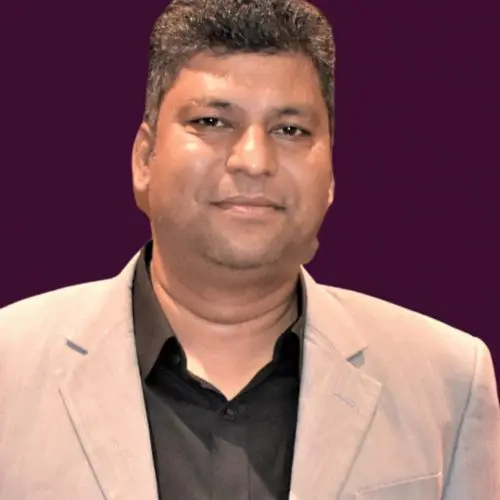
Saumitra Rajput
Saumitra Rajput is the founder of Kadamb Overseas Pvt. Ltd., India's leading Europe-focused study abroad consultancy based in Ahmedabad. With 14+ years of expertise in European education, he has personally counselled 2,500+ Indian families and helped 500+ students secure admission to top European universities including TU Munich, ETH Zurich, EPFL, KU Leuven, HEC Paris, Sapienza Rome, TU Wien, and Warsaw University of Technology. He has visited 25+ European universities, partners with 250+ EU institutions, and maintains a 500+ students placed.
Planning to Study Abroad?
Get free expert guidance from our experienced counselors

Saumitra Rajput
Saumitra Rajput is the founder and lead counsellor at Kadamb Overseas, India's trusted Europe education consultancy based in Ahmedabad. With 14+ years of hands-on experience, he has personally guided 500+ students to universities across Germany, Switzerland, France, Italy, Austria, and Spain. Saumitra has visited partner universities across Europe, holds deep expertise in European visa processes, scholarships, and student life, and has achieved a 97% visa success rate for his clients. He is the host of the YouTube channel "Europe with Saumitra", where he shares first-hand insights on studying and living in Europe. His mission: make Europe accessible to every Indian student, with zero consultancy fees.