
Last Updated: September 7, 2026
Table of Contents
- Why Denmark Is a Top Study Destination for Indian Students in 2026
- Top 12 Danish Universities for Indian Students (2026 Rankings & Fees)
- Complete Cost of Studying in Denmark for Indian Students (2026 Breakdown)
- Most Popular Courses in Denmark for Indian Students (2026)
- Scholarships for Indian Students in Denmark (2026)
- Denmark ST1 Student Visa Process for Indian Students (Step-by-Step 2026 Guide)
- Documents Required for Denmark Student Visa (ST1) — Complete Checklist
- Student Accommodation in Denmark — Options, Costs & Tips for Indian Students
- 10 Expert Tips for Indian Students Planning to Study in Denmark in 2026
- 10 Common Mistakes Indian Students Make When Applying to Study in Denmark
- Frequently Asked Questions — Study in Denmark for Indian Students 2026
- Key Takeaways — Study in Denmark for Indian Students 2026
- Ready to Study in Denmark? Let Kadamb Overseas Guide You!
🕑 30 min read
Denmark has emerged as one of Europe’s most attractive study destinations for Indian students in 2026, offering world-ranked universities, innovative teaching methods, and a generous 3-year post-study work visa that gives graduates ample time to build careers in Scandinavia. With tuition fees ranging from DKK 45,000 to DKK 120,000 per year (approximately ₹5.4 lakh to ₹14.4 lakh) at public universities, Denmark delivers exceptional value when you factor in the quality of education, English-taught programmes, work-during-study rights of 20 hours per week, and one of the longest post-graduation work permits in all of Europe. Danish universities like the University of Copenhagen, Technical University of Denmark (DTU), Aarhus University, and Aalborg University consistently rank in the global top 200, and Danish degrees are recognized and respected by employers across Europe, North America, and globally. For Indian families seeking a safe, progressive, and career-oriented study abroad destination, Denmark checks every box — and the 3-year Establishment Card makes it one of the best countries in the world for students who want to work and potentially settle in Europe after graduation.
🇩🇰 Study in Denmark 2026 — Quick Answer Box
| Parameter | Details for Indian Students (2026) |
|---|---|
| Tuition Fees (Per Year) | DKK 45,000–120,000 (₹5.4 lakh–₹14.4 lakh) |
| Living Cost (Per Year) | DKK 80,000–110,000 (₹89.6 lakh–₹13.2 lakh) |
| Total 2-Year Master’s Cost | ₹30 lakh–₹55 lakh (before scholarships/earnings) |
| Post-Study Work Visa | 3-Year Establishment Card (one of the longest in Europe) |
| Part-Time Work | 20 hours/week during semester; full-time in summer |
| Language of Instruction | 700+ English-taught Master’s programmes available |
| English Requirement | IELTS 6.5+ or TOEFL 83+ (university-specific) |
| Visa Type | ST1 Student Residence Permit |
| Application Deadline | January 15 (most universities) for September intake |
| Financial Proof Required | DKK 6,397/month (~₹76,764) in Danish bank or equivalent |
Source: Danish Agency for International Recruitment and Integration (SIRI) 2025-26, Study in Denmark Official Portal, Kadamb Overseas student records | DKK 1 = ₹12, EUR 1 = ₹90 (approx.) | Updated: March 2026
Last Updated: March 2026 | Data verified against SIRI (Danish Agency for International Recruitment and Integration) 2025-26 guidelines, Study in Denmark official portal, Danish university fee schedules, and Kadamb Overseas student placement records (students placed since 2012)
Why Denmark Is a Top Study Destination for Indian Students in 2026
Denmark consistently ranks among the happiest countries in the world, and there is a tangible reason behind that reputation. The country offers one of the highest standards of living globally, a deeply egalitarian society, world-class infrastructure, and an innovation-driven economy that is home to companies like Novo Nordisk, Maersk, Vestas, LEGO, Carlsberg, and Ericsson Denmark. For Indian students, Denmark presents a unique combination of academic excellence, career opportunity, and quality of life that very few countries can match.
But the single biggest reason Denmark has shot up in popularity among Indian students in 2025-26 is the 3-year Establishment Card — a post-study work visa that allows graduates to stay in Denmark for up to 3 years after completing their degree to find employment, start a business, or transition to a permanent work permit. This is significantly longer than Germany’s 18-month job seeker visa, the Netherlands’ 1-year orientation year, or France’s 2-year APS permit. For Indian students who want real time to build a career in Europe without the constant pressure of visa expiry, Denmark’s 3-year window is a game-changer.
“Denmark’s 3-year Establishment Card is, in my professional opinion, the single most underrated post-study work visa in all of Europe. While everyone talks about Germany and the Netherlands, Denmark quietly offers Indian graduates three full years to find employment, build professional networks, and transition to long-term residency. At Kadamb Overseas, we have seen a 300% increase in Denmark inquiries from Ahmedabad and Gujarat families in the last two years — and the results have been outstanding.”
— Saumitra Rajput, Founder, Kadamb Overseas (Ahmedabad)
Here are the key reasons why Denmark stands out for Indian students in 2026:
| Factor | Denmark’s Advantage | Comparison |
|---|---|---|
| Post-Study Work Visa | 3-year Establishment Card | Germany: 18 months, Netherlands: 1 year |
| Teaching Quality | Problem-based learning (PBL), industry projects | More practical than traditional lecture-based systems |
| English Proficiency | 86% of Danes speak English fluently | Among highest in non-English-speaking countries |
| Safety Index | Ranked among top 5 safest countries globally | Lower crime rate than UK, US, Canada |
| Innovation Economy | Top 10 globally in innovation index | Strong startup culture, green tech leadership |
| Work-Life Balance | 37-hour work week, “hygge” culture | Among best in OECD countries |
| Part-Time Work | 20 hrs/week; full-time June-August | DKK 130-160/hr (~₹1,560-1,920/hr) |
| Sustainability Focus | World leader in green energy, clean tech | Vestas, Orsted, Danfoss — global green leaders |
Denmark’s economy is remarkably stable with an unemployment rate consistently below 5%, and the country has a strong demand for skilled international talent, particularly in engineering, IT, life sciences, renewable energy, and business analytics. The Danish government actively encourages international graduates to stay and contribute to the economy, which is why the Establishment Card was extended to 3 years — making it one of the most generous post-study work permits in the world.
Another often-overlooked advantage is Denmark’s geographic location and connectivity. Copenhagen is a major European hub with direct flights to almost every major European city, making weekend travel easy and affordable. The Oresund Bridge connects Denmark to Sweden, giving students access to the broader Scandinavian job market. Indian students studying in Copenhagen often explore job opportunities in both Danish and Swedish companies, effectively doubling their career options.
Top 12 Danish Universities for Indian Students (2026 Rankings & Fees)
Denmark has a compact but extremely high-quality higher education system. The country has five traditional research universities, several specialized universities, and multiple university colleges (professionshojskoler) that offer practice-oriented programmes. For Indian students pursuing Master’s degrees, the research universities are the primary choice, while Bachelor’s students may also consider university colleges for applied programmes. Here is a detailed breakdown of the top 12 institutions that Indian students should consider:
| Rank | University | QS 2026 Rank | Location | Strengths | Tuition/Year (DKK) | Tuition/Year (INR) |
|---|---|---|---|---|---|---|
| 1 | University of Copenhagen (KU) | 82 | Copenhagen | Life Sciences, Medicine, Law, Social Sciences | 75,000–105,000 | ₹89.0L–₹12.6L |
| 2 | Technical University of Denmark (DTU) | 104 | Lyngby (Copenhagen) | Engineering, Computer Science, Energy, Biotech | 82,500–110,000 | ₹89.9L–₹13.2L |
| 3 | Aarhus University (AU) | 143 | Aarhus | Business, Engineering, Arts, Natural Sciences | 62,400–105,600 | ₹7.5L–₹12.7L |
| 4 | Aalborg University (AAU) | 326 | Aalborg, Copenhagen | Problem-Based Learning (PBL), Engineering, ICT | 50,400–96,000 | ₹6.0L–₹11.5L |
| 5 | University of Southern Denmark (SDU) | 354 | Odense, Sonderborg | Robotics, Mechatronics, Health Sciences | 48,600–98,400 | ₹5.8L–₹11.8L |
| 6 | Copenhagen Business School (CBS) | 201 | Copenhagen | Business, Finance, MBA, Economics, Supply Chain | 75,000–120,000 | ₹89.0L–₹14.4L |
| 7 | IT University of Copenhagen (ITU) | 501-550 | Copenhagen | Software, Data Science, Digital Innovation, Games | 67,500–97,500 | ₹8.1L–₹11.7L |
| 8 | Roskilde University (RUC) | 601-650 | Roskilde (near Copenhagen) | Interdisciplinary Studies, Social Sciences, Communication | 45,000–72,000 | ₹5.4L–₹8.6L |
| 9 | VIA University College | N/A (Applied) | Horsens, Aarhus | Engineering (Applied), Architecture, Business | 46,000–69,000 | ₹5.5L–₹8.3L |
| 10 | KEA – Copenhagen School of Design & Technology | N/A (Applied) | Copenhagen | Design, Digital Media, Web Development, Product | 48,000–66,000 | ₹5.8L–₹7.9L |
| 11 | Business Academy Aarhus (BAAA) | N/A (Applied) | Aarhus | Marketing, IT, Finance, Service & Hospitality | 45,000–62,000 | ₹5.4L–₹7.4L |
| 12 | Copenhagen School of Marine Engineering & Technology Management (MARTEC) | N/A (Specialized) | Frederikshavn | Marine Engineering, Electrical Power, Arctic Technology | 46,000–60,000 | ₹5.5L–₹7.2L |
Note: Rankings based on QS World University Rankings 2026. Tuition fees are for non-EU students and vary by programme. DKK 1 = ₹12 (approx.)
University of Copenhagen (KU) is Denmark’s oldest and most prestigious university, founded in 1479. It has produced 9 Nobel Prize laureates and is consistently ranked among the top 100 universities globally. For Indian students, KU is particularly strong in Life Sciences, Computer Science, Economics, and Public Health. The campus is spread across Copenhagen, and students benefit from the city’s vibrant cultural and professional scene. Tuition fees range from DKK 75,000 to DKK 105,000 per year depending on the programme, which translates to approximately ₹89.0 lakh to ₹12.6 lakh — a fraction of what comparable UK universities charge.
Technical University of Denmark (DTU) is the premier engineering institution in Scandinavia and one of the leading technical universities in Europe. Located in Lyngby, just north of Copenhagen, DTU is known for its close collaboration with industry, particularly in sectors like renewable energy, biotechnology, civil engineering, and computer science. DTU’s research output is impressive — it partners with companies like Vestas, Siemens Gamesa, Novo Nordisk, and multiple Danish tech startups. For Indian engineering graduates looking to build a career in Scandinavian tech or energy sectors, DTU is arguably the best choice in Denmark.
Aarhus University (AU) is Denmark’s second-largest university and offers an excellent balance of academic rigour and a more affordable lifestyle compared to Copenhagen. Located in Aarhus — Denmark’s second city on the Jutland peninsula — AU is particularly strong in Business, Engineering, Molecular Biology, and Political Science. Indian students at Aarhus benefit from lower living costs (approximately 15-20% cheaper than Copenhagen), a vibrant student community, and strong career services that actively connect international students with Danish employers.
Aalborg University (AAU) has gained international recognition for its pioneering Problem-Based Learning (PBL) model, which has been adopted by universities worldwide. UNESCO has designated AAU as a centre of excellence for PBL methodology. At AAU, students work on real-world industry projects from semester one, developing practical skills that employers value highly. AAU has campuses in both Aalborg and Copenhagen, and its tuition fees are among the most affordable in Denmark — starting from just DKK 50,400 per year (approximately ₹6.0 lakh). For Indian students who want hands-on, project-based learning rather than traditional lectures, AAU is an outstanding choice.
“I always tell Indian families to look beyond just the university name and consider the teaching methodology. Aalborg University’s Problem-Based Learning approach produces graduates who are exceptionally well-prepared for the Danish job market. We have placed students at AAU who secured jobs within 3-4 months of graduating — precisely because they had already worked on industry projects during their studies. The Danish employer values practical experience, and PBL delivers exactly that.”
— Saumitra Rajput, Founder, Kadamb Overseas (Ahmedabad)
Complete Cost of Studying in Denmark for Indian Students (2026 Breakdown)
Understanding the full financial picture is essential before committing to study in Denmark. While tuition fees are moderate compared to the UK or Australia, Denmark is a Scandinavian country with a relatively high cost of living. However, with smart financial planning, part-time work, and potential scholarships, the total investment becomes very manageable — especially when measured against the earning potential that a Danish degree and 3-year work visa provide after graduation.
Tuition Fee Breakdown by University Type
| University Type | Annual Fee (DKK) | Annual Fee (INR) | 2-Year Master’s Total (INR) |
|---|---|---|---|
| Top Research Universities (KU, DTU, CBS) | 75,000–120,000 | ₹89.0L–₹14.4L | ₹18.0L–₹28.8L |
| Mid-Tier Research Universities (AU, AAU, SDU) | 48,600–105,600 | ₹5.8L–₹12.7L | ₹11.6L–₹25.4L |
| University Colleges (VIA, KEA, BAAA) | 45,000–69,000 | ₹5.4L–₹8.3L | ₹10.8L–₹16.6L |
| Specialized Institutions (ITU, RUC, MARTEC) | 45,000–97,500 | ₹5.4L–₹11.7L | ₹10.8L–₹23.4L |
Monthly Living Cost Breakdown by City
| Expense Category | Copenhagen (DKK/month) | Aarhus (DKK/month) | Aalborg (DKK/month) | Odense (DKK/month) |
|---|---|---|---|---|
| Accommodation (Student Housing) | 3,500–5,500 | 2,800–4,500 | 2,500–4,000 | 2,600–4,200 |
| Food & Groceries | 2,000–3,000 | 1,800–2,500 | 1,700–2,400 | 1,700–2,500 |
| Transportation | 400–600 | 300–450 | 250–400 | 300–450 |
| Health Insurance | Free (CPR registered) | Free (CPR registered) | Free (CPR registered) | Free (CPR registered) |
| Phone & Internet | 200–350 | 200–350 | 200–300 | 200–300 |
| Books & Study Materials | 300–600 | 300–500 | 250–450 | 250–500 |
| Personal & Miscellaneous | 800–1,500 | 600–1,200 | 500–1,000 | 500–1,100 |
| TOTAL MONTHLY | 7,200–11,550 | 6,000–9,500 | 5,400–8,550 | 5,550–9,050 |
| TOTAL MONTHLY (INR) | ₹86,400–₹1,38,600 | ₹72,000–₹1,14,000 | ₹64,800–₹1,02,600 | ₹66,600–₹1,08,600 |
Important note about healthcare: One of Denmark’s biggest advantages for international students is that healthcare is essentially free. Once you register for a CPR number (the Danish civil registration number) and receive your residence permit, you are covered under the Danish National Health Service. This means doctor visits, hospital stays, and emergency care are free of charge — saving Indian students the significant health insurance costs that are mandatory in countries like Germany (€110/month) or the Netherlands (€130/month).
Complete 2-Year Master’s Cost Summary
| Cost Component | Budget Estimate (2 Years) | Comfortable Estimate (2 Years) |
|---|---|---|
| Tuition Fees | ₹10.8L–₹14.0L | ₹18.0L–₹28.8L |
| Living Expenses (24 months) | ₹15.5L–₹17.3L | ₹20.7L–₹33.3L |
| Visa & Travel | ₹1.0L–₹1.5L | ₹1.5L–₹2.5L |
| TOTAL BEFORE EARNINGS | ₹27.3L–₹32.8L | ₹40.2L–₹64.6L |
| Part-Time Earnings (estimated) | ₹6.0L–₹8.0L | ₹8.0L–₹12.0L |
| Scholarship Potential | ₹0 (no scholarship) | ₹3.0L–₹14.0L |
| NET OUT-OF-POCKET COST | ₹19.3L–₹26.8L | ₹14.2L–₹44.6L |
“When I counsel families in Ahmedabad about the cost of studying in Denmark, I always emphasize the total ROI picture — not just the upfront investment. Yes, Denmark is more expensive than Germany or France in terms of tuition. But consider this: free healthcare saves you ₹2-3 lakh over two years, the high part-time wages (DKK 130-160/hour) mean students can realistically earn ₹6-12 lakh during their studies, and the 3-year Establishment Card means you have a genuine shot at landing a high-paying Scandinavian job earning DKK 35,000-50,000 per month (₹4.2 lakh-₹6.0 lakh per month) after graduation. The ROI is exceptional when viewed over a 5-year horizon.”
— Saumitra Rajput, Founder, Kadamb Overseas (Ahmedabad)
Most Popular Courses in Denmark for Indian Students (2026)
Denmark’s education system is structured around sectors where the country has genuine global leadership — clean energy, life sciences, IT, maritime logistics, design, and food technology. This means the courses available are not generic; they are designed to feed directly into industries where Denmark is a world leader. For Indian students, this alignment between education and employment is a critical advantage. Here are the most popular and career-relevant programmes:
| Course / Programme | Top Universities | Duration | Career Prospects in Denmark | Avg. Starting Salary (DKK/month) |
|---|---|---|---|---|
| MSc Computer Science | KU, DTU, ITU, AAU | 2 years | Software Developer, Data Engineer, ML Engineer | 38,000–48,000 |
| MSc Data Science & AI | DTU, ITU, KU, AAU | 2 years | Data Scientist, AI Researcher, Analytics Lead | 40,000–52,000 |
| MSc Mechanical Engineering | DTU, AU, AAU, SDU | 2 years | Design Engineer, R&D, Manufacturing | 36,000–44,000 |
| MSc Sustainable Energy | DTU, AU, AAU | 2 years | Energy Consultant, Wind Energy Engineer, Green Tech | 37,000–46,000 |
| MSc Bioinformatics / Biotechnology | KU, DTU, AU | 2 years | Pharma Researcher, Biotech Analyst, Novo Nordisk | 35,000–45,000 |
| MSc Business Administration (MBA) | CBS, AU, AAU | 2 years | Management Consultant, Strategy Analyst, Finance | 38,000–50,000 |
| MSc Economics & Finance | CBS, KU, AU | 2 years | Financial Analyst, Banking, FinTech | 36,000–48,000 |
| MSc Supply Chain & Logistics | CBS, AAU, SDU | 2 years | Maersk, DSV, Supply Chain Manager | 35,000–44,000 |
| MSc Robotics & Automation | SDU, DTU, AAU | 2 years | Robotics Engineer, Universal Robots, Automation | 38,000–48,000 |
| MSc Food Science & Technology | KU, AU | 2 years | Food Technologist, Arla Foods, Dairy Innovation | 33,000–42,000 |
| MSc Architecture & Design | KADK, AAU | 2 years | Architect, Urban Planner, Design Consultant | 32,000–40,000 |
| MSc Public Health & Epidemiology | KU, AU, SDU | 2 years | Public Health Officer, WHO, Research | 34,000–42,000 |
Salary data based on IDA (Danish Engineering Association) salary surveys 2025-26, Kadamb Overseas graduate tracking. Salaries are gross monthly before Danish taxes.
Key insight for Indian students: Denmark’s strongest employment sectors for international graduates are IT/Software, Engineering (especially wind/energy), Life Sciences/Pharma (Novo Nordisk alone employs over 50,000 people), Logistics/Supply Chain (Maersk, DSV), and Robotics (Universal Robots, originally from SDU, is now a global leader). If you choose a programme aligned with these sectors, your employment prospects on the 3-year Establishment Card are significantly enhanced.
Scholarships for Indian Students in Denmark (2026)
Scholarships are a critical factor for many Indian families considering Denmark. While Denmark does not have free tuition for non-EU students (unlike Norway or some German universities), the scholarship ecosystem is robust and genuinely accessible. Many Danish universities allocate significant budgets for international student scholarships, and the Danish government also offers specific programmes. Here is a comprehensive overview of every major scholarship available to Indian students in 2026:
| Scholarship Name | Offered By | Coverage | Value (INR Approx.) | Deadline |
|---|---|---|---|---|
| Danish Government Scholarships | Ministry of Higher Education | Full/partial tuition waiver + monthly stipend (DKK 6,397) | ₹89L–₹30L total | Jan 15 – Mar 1 |
| DTU MSc Scholarships | Technical University of Denmark | Full tuition waiver + DKK 8,500/month stipend | ₹22L–₹30L total | Jan 15 |
| KU Excellence Scholarships | University of Copenhagen | Full or partial tuition waiver | ₹89L–₹25L total | Jan 15 |
| Aarhus University Scholarships | Aarhus University | Full/partial tuition waiver + possible stipend | ₹7.5L–₹25L total | Jan 15 |
| CBS Diversity Scholarships | Copenhagen Business School | Partial tuition waiver (25%-75%) | ₹4.5L–₹21.6L total | Feb 1 |
| AAU Talent Scholarships | Aalborg University | Full or partial tuition waiver | ₹6L–₹23L total | Mar 1 |
| SDU Scholarships for Non-EU | University of Southern Denmark | Full/partial tuition waiver | ₹5.8L–₹23.6L total | Mar 1 |
| Erasmus Mundus Joint Master’s | European Commission (via Danish universities) | Full tuition + travel + monthly allowance (€1,400/month) | ₹35L–₹50L total | Oct–Jan (varies) |
| Nordplus Scholarships | Nordic Council of Ministers | Mobility grants for exchange semesters | ₹1.5L–₹4L | Feb 1 |
| ITU Non-EU Scholarships | IT University of Copenhagen | Tuition fee reduction (50%-100%) | ₹8L–₹23.4L total | Jan 15 |
How to maximize your scholarship chances: The Danish Government Scholarship is the most prestigious and competitive. It is distributed through individual universities, meaning you apply for admission and scholarship simultaneously — there is no separate central application. Each university receives a limited number of these scholarships from the Danish Ministry, and they are awarded based on academic merit. Indian students with a CGPA of 8.0+ (on a 10-point scale) or 75%+ marks, strong recommendation letters, relevant research or project experience, and a compelling Statement of Purpose have the best chances. At Kadamb Overseas, we have helped multiple Indian students secure full Danish Government Scholarships at DTU, KU, and AU — the key is early preparation and a strategically crafted application.
“The Danish Government Scholarship is genuinely meritocratic — it is not about connections or quotas. I have seen students from tier-2 Indian engineering colleges secure full tuition waivers at DTU simply because they had strong academic records, relevant project experience, and a well-crafted application. The key is applying by January 15, as most Danish universities have a single deadline for both admission and scholarships. At Kadamb Overseas, we start scholarship preparation by October — a full 3 months before the deadline — because the Statement of Purpose and recommendation letters need careful refinement.”
— Saumitra Rajput, Founder, Kadamb Overseas (Ahmedabad)
Denmark ST1 Student Visa Process for Indian Students (Step-by-Step 2026 Guide)
Indian students need to apply for a Danish Student Residence Permit (commonly called the ST1 visa) to study in Denmark. Unlike the Schengen short-stay visa, this is a long-stay residence permit that allows you to live and study in Denmark for the duration of your programme. The application is processed by SIRI (Danish Agency for International Recruitment and Integration) and the Danish Embassy/VFS Global in India. Here is the complete step-by-step process:
Complete ST1 Visa Application Timeline
Receive University Admission Letter (March–May)
After applying by January 15, most Danish universities send admission decisions between March and May. You will receive an official admission letter and an ST1 case number from your university. The university initiates the residence permit process on your behalf through SIRI’s case order system.
Pay Tuition Fee (First Semester/Year)
Most Danish universities require you to pay the first semester or first year’s tuition fee before the visa application can proceed. This payment serves as proof of financial commitment. Typical payment deadline is within 2-4 weeks of receiving the admission letter.
Arrange Financial Documentation
You must demonstrate that you have sufficient funds to support yourself in Denmark — currently DKK 6,397 per month (approximately ₹76,764). This can be shown through a Danish bank account, a blocked account, or a scholarship confirmation. For a 2-year programme, the total financial proof required is approximately DKK 153,528 (₹18.4 lakh) — though you typically need to show proof for only one year at a time.
Complete the ST1 Online Application on SIRI Portal
Visit the SIRI (nyidanmark.dk) website and complete the ST1 residence permit application online. You will need to fill in personal details, upload scanned documents, and pay the application fee of DKK 2,280 (approximately ₹27,360). The online portal generates a case order ID that your university uses to track your application.
Submit Biometrics at VFS Global / Danish Embassy
After completing the online application, book an appointment at VFS Global (in New Delhi, Mumbai, Bengaluru, Chennai, Kolkata, Ahmedabad, Pune, or Hyderabad) or the Royal Danish Embassy in New Delhi. You will submit your passport, biometric data (fingerprints and photograph), original documents, and pay the VFS service fee (approximately ₹2,000-3,000). Processing time is typically 30-60 days from submission.
Receive Decision & Residence Permit Card
SIRI processes your application and communicates the decision to VFS Global/Embassy. If approved, you receive a residence permit sticker in your passport and a confirmation letter. Your biometric residence card will be available for collection in Denmark after arrival. The permit is valid for the duration of your programme plus a few additional months.
Arrive in Denmark & Register for CPR Number
Upon arrival, you must register at the International Citizen Service (ICS) within 5 days to get your CPR number (Danish civil registration number). The CPR number is essential — it gives you access to the healthcare system, allows you to open a Danish bank account, get a NemID/MitID (digital identity), and register with the tax authorities. Your university typically provides guidance and support for this process during orientation week.
ST1 Visa Fee Structure for Indian Students (2026)
| Fee Component | Amount (DKK) | Amount (INR) | Notes |
|---|---|---|---|
| SIRI Application Fee | DKK 2,280 | ₹27,360 | Paid online during ST1 application |
| VFS Global Service Fee | — | ₹2,000–₹3,000 | Paid at VFS centre during biometrics |
| Biometric Residence Card | Included | Included | Collected in Denmark after arrival |
| TOTAL VISA COST | — | ₹29,360–₹30,360 | Non-refundable |
Documents Required for Denmark Student Visa (ST1) — Complete Checklist
Having your documents properly prepared is critical for a smooth ST1 visa application. Missing or incorrectly formatted documents are the most common reason for delays or rejections. Here is the definitive checklist that every Indian student needs:
| # | Document | Specifications | Status |
|---|---|---|---|
| 1 | Valid Passport | Must be valid for at least 3 months beyond your planned stay; minimum 2 blank pages | Mandatory |
| 2 | ST1 Application Form (Online) | Completed on SIRI’s nyidanmark.dk portal; print the confirmation page | Mandatory |
| 3 | University Admission Letter | Official letter from Danish university confirming full-time enrollment; must include programme name, duration, start date, and case order number | Mandatory |
| 4 | Tuition Fee Payment Proof | Bank receipt/university confirmation showing first semester/year tuition has been paid | Mandatory |
| 5 | Financial Documentation | Proof of DKK 6,397/month for living expenses — Danish bank account statement, blocked account confirmation, or scholarship letter | Mandatory |
| 6 | Passport-Size Photographs | 2 recent photographs (35x45mm); white background; taken within last 6 months | Mandatory |
| 7 | Academic Transcripts & Degree Certificates | Original or certified copies of all semester mark sheets and degree certificate from previous education | Mandatory |
| 8 | English Proficiency Score | IELTS (6.5+), TOEFL iBT (83+), or PTE Academic (62+) — must be within 2 years of validity | Mandatory |
| 9 | Accommodation Proof | Confirmed student housing allocation, rental contract, or university accommodation confirmation | Recommended |
| 10 | Curriculum Vitae (CV) | Updated CV showing education, work experience, projects, and extracurricular activities | Required by some universities |
| 11 | Statement of Purpose (SOP) | 1-2 page letter explaining your motivation, academic background, and career goals | Required for admission |
| 12 | Letters of Recommendation (2) | Academic references from professors or professional references from employers; on institutional letterhead | Required for admission |
| 13 | SIRI Application Fee Receipt | Proof of DKK 2,280 fee payment from SIRI online portal | Mandatory |
| 14 | Travel/Health Insurance | Recommended for the initial travel period before CPR registration is complete (coverage of minimum €30,000) | Recommended |
Student Accommodation in Denmark — Options, Costs & Tips for Indian Students
Finding accommodation is one of the most challenging aspects of studying in Denmark, especially in Copenhagen where demand significantly exceeds supply. Unlike Germany or the Netherlands where student housing is difficult but manageable, Copenhagen has a genuine housing crisis that requires early planning and strategic application. However, with the right approach and understanding of the system, Indian students can secure comfortable and affordable housing. Here are the main options:
| Accommodation Type | Monthly Cost (DKK) | Monthly Cost (INR) | Pros | Cons |
|---|---|---|---|---|
| University Student Housing (Kollegium) | 2,500–4,500 | ₹30,000–₹54,000 | Affordable, social, close to campus, utilities often included | Long waitlists (apply 3-6 months early), shared facilities |
| KKIK / Housing Foundation | 3,000–5,000 | ₹36,000–₹60,000 | Reserved for international students, furnished rooms | Limited availability, Copenhagen-focused |
| Private Room in Shared Apartment | 3,500–6,000 | ₹42,000–₹72,000 | More independence, choose your location, flexible | Higher cost, need to find flatmates, deposit required |
| Private Studio Apartment | 5,500–9,000 | ₹66,000–₹1,08,000 | Complete privacy, own kitchen/bathroom | Expensive, harder to find, 3-month deposit typical |
| Homestay / Host Family | 3,000–5,000 | ₹36,000–₹60,000 | Cultural immersion, meals often included, family environment | Less independence, house rules, limited availability |
Critical tip for Indian students: Apply for university housing the moment you receive your admission letter — not after. In Copenhagen, the waitlist for student kollegiums can be 6-12 months long. The Housing Foundation of Copenhagen (KKIK) specifically allocates rooms for international students, and many universities have partnerships with housing providers. If you are studying in Aarhus, Aalborg, or Odense, the housing situation is significantly easier and more affordable. At Kadamb Overseas, we advise all our Denmark-bound students to secure housing confirmation before applying for the ST1 visa, as it strengthens the application and eliminates a major source of stress.
Useful housing platforms for Indian students in Denmark:
- KKIK (Housing Foundation): housing.ku.dk — specifically for University of Copenhagen international students
- CIU (Copenhagen International University Housing): ciu.dk — furnishes rooms for international students
- FindBolig.nu: The main rental portal for Danish student housing (waitlist system)
- BoligPortal.dk: General Danish rental market — private apartments and rooms
- Facebook Groups: “Indians in Denmark,” “Room for Rent Copenhagen” — active community-based housing search
- University-Specific Portals: DTU, AU, AAU, and SDU all have dedicated housing offices for international students
“Housing is the number one practical challenge for Indian students going to Denmark, especially Copenhagen. My advice is always the same: apply for housing within 48 hours of receiving your admission letter. Do not wait. I have seen students lose accommodation because they delayed by just 2 weeks. Also, consider cities like Aarhus or Aalborg where housing is 30-40% cheaper and significantly easier to find. Your university experience will be equally excellent, and the money you save on rent can be substantial — DKK 1,000-2,000 per month difference adds up to ₹2.4-4.8 lakh over a 2-year Master’s programme.”
— Saumitra Rajput, Founder, Kadamb Overseas (Ahmedabad)
10 Expert Tips for Indian Students Planning to Study in Denmark in 2026
Based on years of guiding Indian students to Danish universities, here are the most valuable pieces of advice from our expert counsellors at Kadamb Overseas. These tips can save you time, money, and stress throughout your Denmark study abroad journey:
💡 Tip #1 — Apply Before the January 15 Deadline (Not On It)
Most Danish universities close applications for international students on January 15 for the September intake. However, applying early — ideally in November or December — gives you a significant advantage. Early applicants often receive admission decisions faster, which means you can begin the housing search and visa process sooner. Some programmes with limited seats may also give priority to early applications. Do not wait until the last week; server issues and document upload problems are common on deadline day.
💡 Tip #2 — Target Scholarships Strategically (Apply to Multiple)
Denmark offers several scholarships specifically for non-EU students — Danish Government Scholarships, university-specific tuition waivers, and Erasmus Mundus programmes. The key is to apply to multiple scholarships simultaneously. Many Indian students make the mistake of applying to only one and then being left without funding when they do not receive it. At Kadamb Overseas, we recommend applying to at least 3-4 scholarship programmes to maximize your chances. Also, check if your chosen university offers automatic scholarship consideration upon admission — some do, while others require a separate application.
💡 Tip #3 — Secure Housing Within 48 Hours of Admission
The housing market in Denmark, especially Copenhagen, is extremely competitive. The moment you receive your admission letter, apply for university-allocated housing (kollegium) and register on platforms like KKIK, FindBolig.nu, and BoligPortal.dk. If your university offers a Housing Foundation allocation, submit that application immediately. Students who delay by even 2-3 weeks often find themselves without accommodation and scrambling to find expensive private rooms. Consider cities like Aarhus or Aalborg where housing is significantly more available and 30-40% cheaper.
💡 Tip #4 — Open a Danish Bank Account and Get Your CPR Number Quickly
Upon arrival in Denmark, your two most important administrative tasks are: (1) getting your CPR number (civil registration number) at the International Citizen Service, and (2) opening a Danish bank account. The CPR number is your gateway to everything — healthcare, library access, phone contracts, and part-time work. Without it, you cannot function properly in Danish society. Book your CPR appointment before you arrive if possible, and bring all required documents (passport, admission letter, accommodation proof, residence permit). For banking, Danske Bank and Nordea are popular choices, and many students also use Lunar (a digital bank) for faster setup.
💡 Tip #5 — Learn Basic Danish (Even for English-Taught Programmes)
While all your classes may be in English and most Danes speak excellent English, learning basic Danish will transform your experience. It helps with part-time job opportunities (many service and retail jobs prefer Danish speakers), social integration, and understanding everyday life. Danish universities offer free Danish language courses for international students — take advantage of them from Day 1. Even learning greetings, numbers, and basic phrases shows respect for the culture and makes Danes much more welcoming. Apps like Duolingo, Babbel, and the free DanskHer programme are excellent starting points.
💡 Tip #6 — Maximize Your 20-Hour Part-Time Work Allowance
Denmark allows international students to work 20 hours per week during semesters and full-time during June, July, and August. With the Danish minimum wage being among the highest in Europe (approximately DKK 130-140/hour for many student jobs), part-time work can cover a significant portion of your living expenses. Start looking for student jobs (studenterjob) early through platforms like Jobindex.dk, StudenterJob.dk, and LinkedIn Denmark. On-campus positions such as research assistant, teaching assistant, and library staff are particularly valuable as they build your academic profile while earning income. International students who work strategically during their studies can offset 40-60% of their living costs.
💡 Tip #7 — Buy a Bicycle Immediately (It Saves Thousands)
Denmark is one of the most bicycle-friendly countries in the world, and cycling is by far the cheapest and most efficient mode of transportation. A used bicycle costs DKK 500-1,500, and this one-time investment saves you DKK 400-600 per month on public transport passes. Facebook Marketplace, DBA.dk, and university bulletin boards are the best places to find affordable second-hand bicycles. Make sure to get a good lock (bicycle theft is common in cities) and register your bike with Danish police. Cycling also keeps you fit, which is a bonus during the long Danish winters.
💡 Tip #8 — Prepare Financially for the First 2 Months (Buffer Period)
The first two months in Denmark are the most expensive because you will face one-time setup costs — housing deposit (typically 3 months’ rent), bicycle purchase, kitchenware, winter clothing, bedding, and daily expenses before your part-time job income begins. We recommend having an additional DKK 15,000-20,000 beyond the SIRI financial requirement as a buffer. This cushion prevents financial stress during the settling-in period and allows you to focus on orientation, course registration, and exploring your new city without constant money worries.
💡 Tip #9 — Network Actively and Use the 3-Year Establishment Card Wisely
Denmark’s 3-year post-study Establishment Card is one of the most generous in Europe, but simply having 3 years is not enough — you need to use that time strategically. Start building your professional network from the first semester through LinkedIn Denmark, industry events, career fairs, and internships. Danish companies value candidates who demonstrate cultural integration and proactive networking. Join professional associations in your field, attend meetups, and complete at least one internship before graduation. Students who begin their job search 6 months before graduation have significantly higher success rates than those who wait until after finishing their degree.
💡 Tip #10 — Cook Indian Food at Home (Massive Savings)
Eating out in Denmark is extremely expensive — a basic restaurant meal costs DKK 100-180. The smartest financial decision you can make is to cook at home regularly. Indian grocery stores are available in Copenhagen (Netto, Fakta, and Asian grocery stores stock most Indian spices and staples), and cooking at home can reduce your food expenses by 60-70%. Batch cooking on weekends, sharing meals with flatmates, and buying groceries from budget supermarkets like Netto, Rema 1000, and Lidl are the strategies that financially savvy Indian students swear by. A monthly grocery budget of DKK 1,500-2,000 is very manageable if you cook consistently.
10 Common Mistakes Indian Students Make When Applying to Study in Denmark
Every year, we see Indian students making avoidable mistakes that delay their admission, increase costs, or cause visa rejections. Here are the 10 most common errors and how to avoid them:
| # | Mistake | Consequence | Solution |
|---|---|---|---|
| 1 | Missing the January 15 application deadline | Application rejected outright; forced to wait a full year for the next intake | Set calendar reminders for November 1; begin applications in October-November and submit by early January |
| 2 | Submitting a generic SOP not tailored to the Danish university | Weak application; rejection from competitive programmes that value motivated candidates | Write a unique SOP for each university; reference specific professors, research groups, and programme features |
| 3 | Not meeting the SIRI financial requirement accurately | ST1 visa rejection; entire admission process wasted and fees non-refundable | Ensure proof of DKK 6,397/month for the entire study duration; use a Danish bank blocked account or scholarship letter |
| 4 | Delaying housing search until after visa approval | No accommodation available; expensive temporary stays in hostels or hotels upon arrival | Apply for housing within 48 hours of receiving admission letter; register on KKIK and FindBolig.nu immediately |
| 5 | Ignoring scholarship opportunities and paying full tuition | Paying full tuition when partial or full tuition waivers were available | Apply to Danish Government Scholarships, university-specific waivers, and Erasmus Mundus simultaneously |
| 6 | Not getting English proficiency scores early enough | Rushed test preparation; lower scores requiring retakes; missed application deadlines | Take IELTS/TOEFL by September-October (3-4 months before the deadline); keep a buffer for a potential retake |
| 7 | Choosing a programme solely based on university ranking | Mismatch between career goals and programme content; dissatisfaction during studies | Evaluate programme curriculum, industry connections, internship opportunities, and alumni outcomes — not just rankings |
| 8 | Not applying through the correct portal (OPTAGELSE.DK vs direct) | Application goes to the wrong system; missed or delayed processing | Bachelor’s apply through OPTAGELSE.DK; Master’s apply directly via university portals; verify the correct method |
| 9 | Underestimating the cost of living in Copenhagen | Financial stress; inability to focus on studies; potential need to work excessive hours | Budget DKK 8,000-10,000/month for Copenhagen; consider Aarhus or Aalborg for 30-40% lower costs |
| 10 | Not planning for the 3-year Establishment Card from Day 1 | Graduates struggle to find jobs post-study despite having 3 years; wasted post-study work visa period | Start networking, internships, and Danish language learning from Semester 1; begin job search 6 months before graduation |
Frequently Asked Questions — Study in Denmark for Indian Students 2026
Here are the most common questions Indian students and parents ask us at Kadamb Overseas about studying in Denmark:
Q1: Is Denmark a good country for Indian students to study abroad in 2026?
Answer: Yes, Denmark is an excellent destination for Indian students in 2026. Danish universities consistently rank in the global top 200, with over 700 English-taught programmes available. Denmark offers a generous 3-year post-study work visa (Establishment Card), allows 20 hours of part-time work per week, and has one of the highest standards of living in the world. Tuition fees are reasonable compared to the UK, USA, or Australia, ranging from approximately DKK 45,000 to DKK 120,000 per year. Additionally, Denmark is one of the safest countries in the world, making it an ideal choice for Indian families seeking quality education in a secure environment.
Q2: What is the total cost of studying in Denmark for a 2-year Master’s programme?
Answer: The total cost for a 2-year Master’s programme in Denmark for Indian students ranges from approximately ₹30 lakh to ₹55 lakh, which includes tuition fees and living expenses. However, this amount can be reduced significantly through scholarships (which can cover 25-100% of tuition), part-time work earnings, and choosing a city outside Copenhagen. Many Indian students have effectively reduced their net cost to ₹15-25 lakh for the entire programme by combining scholarships with strategic part-time work.
Q3: What IELTS score is required to study in Denmark?
Answer: Most Danish universities require a minimum IELTS score of 6.5 overall (with no band below 6.0) for Master’s programmes. Some competitive programmes at universities like the University of Copenhagen or Copenhagen Business School may require IELTS 7.0. For Bachelor’s programmes, IELTS 6.0-6.5 is typically sufficient. Alternatively, you can submit TOEFL iBT (83+), PTE Academic (62+), or Cambridge English (C1 Advanced) scores. We recommend targeting an IELTS score of 7.0 or higher to be competitive for scholarships and top-ranked programmes.
Q4: Can I work while studying in Denmark as an Indian student?
Answer: Yes, Indian students with a valid ST1 residence permit can work up to 20 hours per week during the academic semester and full-time (37+ hours) during the summer months of June, July, and August. Danish hourly wages for student jobs are among the highest in Europe — typically DKK 130-180 per hour. Common student jobs include research assistants, tutoring, retail, restaurant work, IT support, and administrative roles. Many students earn DKK 5,000-8,000 per month through part-time work, which can cover 40-60% of living expenses. No separate work permit is needed — your ST1 permit includes the right to work.
Q5: What is the 3-year Establishment Card, and how does it benefit Indian graduates?
Answer: The Establishment Card is Denmark’s post-study work visa that allows graduates of Danish universities to stay in Denmark for up to 3 years after completing their degree to seek employment. This is one of the longest post-study work permits in all of Europe (compared to 18 months in Germany, 2 years in the UK, and 1 year in the Netherlands). During this period, you can work freely, attend job interviews, and transition to a regular work permit once you secure a qualifying position. The Establishment Card must be applied for before your student residence permit expires, and you must have completed your degree at a Danish institution to be eligible.
Q6: Are there scholarships available for Indian students in Denmark?
Answer: Yes, several scholarship options exist for Indian students. The Danish Government Scholarship programme offers tuition fee waivers (partial or full) plus a monthly stipend to talented non-EU students. Individual universities such as DTU, Aarhus University, University of Copenhagen, and Aalborg University also offer merit-based scholarships and tuition waivers. Additionally, Erasmus Mundus Joint Master Degrees provide full scholarships covering tuition, travel, and living costs. Some programmes offer automatic scholarship consideration upon admission, while others require a separate application. We strongly advise applying to multiple scholarships simultaneously to maximize your chances of receiving financial support.
Q7: How long does the Denmark student visa (ST1) process take?
Answer: The ST1 student residence permit typically takes 30-60 days to process from the date of complete application submission to SIRI. However, during peak season (May-August), processing times can extend to 60-90 days. The application is submitted online through the nyidanmark.dk portal, and biometrics are provided at a VFS Global centre in India (New Delhi, Mumbai, Bangalore, or Kolkata). The total visa cost is approximately ₹29,000-₹30,000 (SIRI fee of DKK 2,280 plus VFS service charge). We recommend applying for the ST1 permit as soon as you receive your admission letter and have arranged financial documentation.
Q8: Is Denmark expensive for Indian students compared to other European countries?
Answer: Denmark’s living costs are higher than countries like Germany, Poland, or Spain, but tuition fees are generally lower than the UK, Ireland, or the Netherlands. Copenhagen is the most expensive city (DKK 8,000-10,000/month for living), while Aarhus, Aalborg, and Odense are 30-40% cheaper. However, Denmark compensates with higher part-time wages, free healthcare after CPR registration, generous scholarships, and a 3-year post-study work visa. When you factor in the earning potential during and after studies, Denmark offers excellent value for money. The total 2-year investment can lead to strong starting salaries for Master’s graduates in Denmark.
Q9: What are the best universities in Denmark for Indian students?
Answer: The top universities for Indian students in Denmark include: (1) University of Copenhagen — strongest in sciences, humanities, and health; (2) Technical University of Denmark (DTU) — best for engineering, technology, and STEM; (3) Aarhus University — excellent across all disciplines with a vibrant student city; (4) Aalborg University — known for its Problem-Based Learning (PBL) model and strong industry connections; (5) Copenhagen Business School (CBS) — top European business school for MBA and management studies. Each university has its unique strengths, and the best choice depends on your specific programme, career goals, and budget considerations.
Q10: How can Kadamb Overseas help me with my Denmark study abroad application?
Answer: Kadamb Overseas provides end-to-end support for Indian students planning to study in Denmark. Our services include: personalized university and programme selection based on your profile and career goals, SOP and LOR drafting and review, complete application filing and tracking, scholarship identification and application support, ST1 visa documentation and filing assistance, financial planning and documentation guidance, accommodation search support, and comprehensive pre-departure briefing covering everything from CPR registration to Danish culture. With years of experience placing Indian students in Denmark’s top universities, our founder Saumitra Rajput and the Kadamb team ensure a smooth, stress-free process from initial counselling to landing in Denmark. Contact us at +91 9913333239 or support@kadamboverseas.com to begin your Denmark journey.
Key Takeaways — Study in Denmark for Indian Students 2026
✅ Summary Checklist for Indian Students
- Tuition Fees: DKK 45,000-120,000/year at public universities; scholarships can reduce this by 25-100%
- Living Costs: DKK 6,500-10,000/month; Copenhagen is 30-40% more expensive than Aarhus or Aalborg
- Total 2-Year Investment: ₹30-55 lakh before scholarships and part-time earnings; net cost can be ₹15-25 lakh with strategic planning
- Post-Study Work Visa: 3-year Establishment Card — one of the longest in Europe; allows full-time work and job search
- Part-Time Work: 20 hours/week during semesters, full-time in summer; DKK 130-180/hour typical student wages
- Application Deadline: January 15 for September intake at most universities; apply early (November-December) for best results
- Visa (ST1): 30-60 day processing; cost approximately ₹29,000-30,000; apply immediately after receiving admission letter
- English Requirement: IELTS 6.5+ (aim for 7.0 for scholarship competitiveness); TOEFL 83+ or PTE 62+ also accepted
- Housing: Apply within 48 hours of admission; university kollegiums are cheapest (DKK 2,500-4,500/month)
- Healthcare: Free after CPR registration — one of the best public healthcare systems in the world
- Language: 700+ English-taught programmes; learn basic Danish for better job prospects and social integration
- Top Universities: University of Copenhagen, DTU, Aarhus University, Aalborg University, Copenhagen Business School
- Best Programmes: Engineering, IT, Business, Life Sciences, Renewable Energy, Design, and Social Sciences
- Career Prospects: Strong starting salaries for Master’s graduates; DKK 35,000-45,000/month typical range
- Expert Guidance: Contact Kadamb Overseas at +91 9913333239 for personalized Denmark study abroad counselling
Ready to Study in Denmark? Let Kadamb Overseas Guide You!
From university selection to landing in Denmark — our expert team has helped hundreds of Indian students achieve their Scandinavian education dreams. Get personalized guidance from Saumitra Rajput, Founder, Kadamb Overseas (Ahmedabad).
📞
+91 9913333239
Call / WhatsApp
📧
support@kadamboverseas.com
Email Us
🌐
www.kadamboverseas.com
Visit Our Website
Our Denmark Study Abroad Services
📝 SOP / LOR Assistance
📋 Visa Assistance (ST1)
🏆 Scholarship Guidance
✈️ Pre-Departure Briefing
Kadamb Overseas — Your Trusted Partner for Studying in Denmark 🇩🇰
Saumitra Rajput
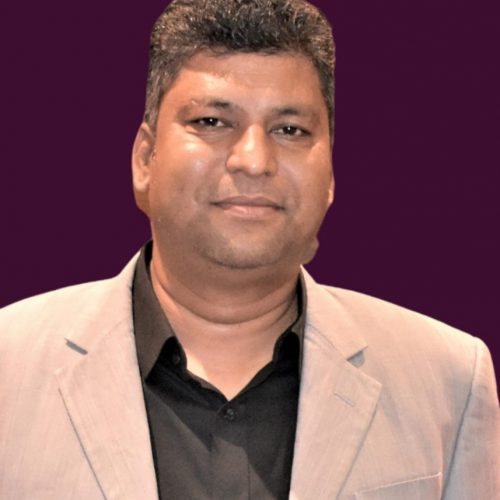
Saumitra Rajput is the founder of Kadamb Overseas Pvt. Ltd., India's leading Europe-focused study abroad consultancy based in Ahmedabad. With 14+ years of expertise in European education, he has personally counselled 2,500+ Indian families and helped 500+ students secure admission to top European universities including TU Munich, ETH Zurich, EPFL, KU Leuven, HEC Paris, Sapienza Rome, TU Wien, and Warsaw University of Technology. He has visited 25+ European universities, partners with 250+ EU institutions, and maintains a 500+ students placed.
Planning to Study Abroad?
Get free expert guidance from our experienced counselors

Saumitra Rajput
Saumitra Rajput is the founder and lead counsellor at Kadamb Overseas, India's trusted Europe education consultancy based in Ahmedabad. With 14+ years of hands-on experience, he has personally guided 500+ students to universities across Germany, Switzerland, France, Italy, Austria, and Spain. Saumitra has visited partner universities across Europe, holds deep expertise in European visa processes, scholarships, and student life, and has achieved a 97% visa success rate for his clients. He is the host of the YouTube channel "Europe with Saumitra", where he shares first-hand insights on studying and living in Europe. His mission: make Europe accessible to every Indian student, with zero consultancy fees.