

Last Updated: September 5, 2026
Table of Contents
- What is Culture Shock? The 4 Stages Every Indian Student Experiences in Europe
- India vs Europe: The Big Cultural Differences – A Comprehensive Comparison
- Country-Specific Culture Shocks: What Surprises Indian Students in Each European Country
- Food & Diet Challenges: The Biggest Culture Shock for Indian Students in Europe
- Social Etiquette & Communication Styles: Navigating European Social Norms as an Indian Student
- Academic Culture Differences: How European Universities Differ from Indian Institutions
- Weather & Climate Adaptation: Surviving European Winters as an Indian Student
- Homesickness Management: Coping with Missing India While Studying in Europe
- Building Social Networks: Making Friends and Creating Community in Europe
- 10 Common Mistakes Indian Students Make While Adjusting to European Culture
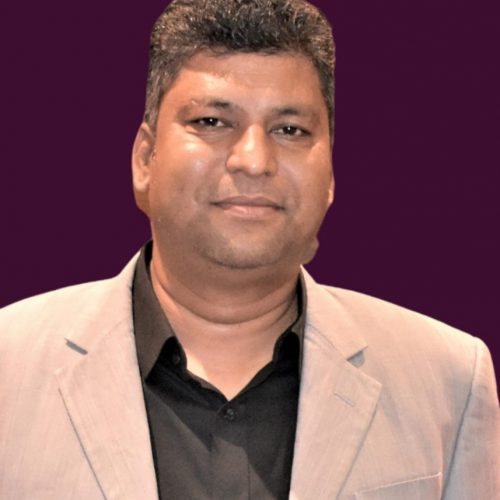
- 10 Expert Tips for Overcoming Culture Shock in Europe – From Saumitra Rajput, Founder, Kadamb Overseas (Ahmedabad)
- Frequently Asked Questions: Culture Shock in Europe for Indian Students
- Key Takeaways: Your Culture Shock Survival Checklist
- Month-by-Month Culture Shock Timeline: What to Expect in Your First Year
- Money & Financial Culture Shocks for Indian Students in Europe
- Ready to Study in Europe? Get Expert Guidance from Kadamb Overseas, Ahmedabad
🕑 46 min read
Last Updated: March 2026 | Reading Time: 35 min | Kadamb Overseas, Ahmedabad
Culture Shock in Europe – Survival Guide for Indian Students 2026
Moving from India to Europe for higher education is one of the most transformative experiences in a young person’s life – and also one of the most challenging. Every year, over 85,000 Indian students move to European countries like Germany, France, the Netherlands, Italy, Sweden, and Finland, and nearly every single one of them encounters some degree of culture shock. Whether it is the silence on public transport in Scandinavia, the punctuality obsession in Germany, the food that tastes nothing like what your mother makes, or the overwhelming sense of isolation on a cold November evening in Amsterdam – culture shock is real, it is universal, and it can deeply affect your academic performance and mental health if left unaddressed. This comprehensive survival guide, prepared by Kadamb Overseas, Ahmedabad, covers every aspect of cultural adjustment that Indian students face in Europe in 2026 – from social etiquette and academic norms to food challenges, weather adaptation, and homesickness management. Whether you are preparing to leave India next month or are already struggling to adjust in your first semester abroad, this guide will help you understand, anticipate, and overcome culture shock effectively.
Quick Answer: What is Culture Shock & How Long Does It Last?
Culture shock is a natural psychological response to living in an unfamiliar cultural environment. For Indian students in Europe, it typically lasts 3 to 6 months, with the most intense phase occurring in the first 4–8 weeks. The four stages are: Honeymoon Phase (excitement), Frustration Phase (anger & confusion), Adjustment Phase (gradual adaptation), and Acceptance Phase (feeling at home). With proper preparation, awareness, and support, you can significantly reduce its impact and duration.
Need personalized guidance? Contact Kadamb Overseas at +91 9913333239
What is Culture Shock? The 4 Stages Every Indian Student Experiences in Europe
Culture shock is far more than just feeling homesick or missing Indian food. It is a well-documented psychological phenomenon that occurs when a person is immersed in a culture significantly different from their own. For Indian students moving to Europe, the contrast between Indian and European cultures can be particularly stark, touching everything from daily communication styles to fundamental values about time, personal space, relationships, and hierarchy. Understanding the four stages of culture shock can help you recognize where you are in the process and reassure you that what you are feeling is completely normal.
“The frustration phase is when most Indian students consider going back home. If you can push through those 8–12 weeks, everything changes. I have seen hundreds of students who wanted to quit in November but were thriving by March.”
— Saumitra Rajput, Founder, Kadamb Overseas (Ahmedabad)
It is important to understand that culture shock is not a linear process. You may move back and forth between stages, or experience mini culture shocks whenever you encounter a new cultural situation. The key is awareness – once you know what is happening to you psychologically, you can respond to it rationally rather than emotionally. Many students also experience “reverse culture shock” when they return to India after their studies, finding that they no longer fully fit into the culture they grew up in.
Key Statistics on Culture Shock Among Indian Students in Europe (2025–2026)
- 78% of Indian students report experiencing significant culture shock in their first 3 months
- 45% say food-related challenges are their biggest struggle
- 62% feel that European social culture is “too cold” compared to India
- 35% consider returning to India during the frustration phase
- 89% say they felt fully adjusted by the end of their first year
- 71% wish they had received more cultural preparation before leaving India
India vs Europe: The Big Cultural Differences – A Comprehensive Comparison
To truly prepare for life in Europe, Indian students need to understand the fundamental cultural differences that exist between Indian and European societies. These differences are not about one culture being better than the other – they are simply different ways of organizing social life, communication, and daily routines. The more you understand these differences before you leave India, the less jarring they will feel when you experience them firsthand. Below is a comprehensive comparison covering the most impactful areas of cultural difference.
“Understanding cultural differences before you arrive is like learning the rules of a new game before you start playing. You will still make mistakes, but at least you will know why things are done differently.”
— Saumitra Rajput, Founder, Kadamb Overseas (Ahmedabad)
Country-Specific Culture Shocks: What Surprises Indian Students in Each European Country
Europe is not a monolith – every country has its own unique culture, social norms, and quirks that can catch Indian students off guard. What shocks you in Germany may be completely different from what surprises you in Italy or Sweden. Here is a detailed breakdown of country-specific culture shocks based on feedback from thousands of Indian students who have studied across Europe.
🇩🇪 Germany – The Land of Rules and Efficiency
| Culture Shock Area | What Indian Students Experience | How to Adapt |
|---|---|---|
| Sunday Closures | Almost all shops, supermarkets, and businesses are closed on Sundays. This is legally mandated (Ladenschlussgesetz). | Do all your grocery shopping on Saturday. Some petrol station shops and train station stores remain open on Sundays. |
| Cash Preference | Despite being technologically advanced, many German shops, restaurants, and bakeries only accept cash (Bargeld). Coming from UPI-enabled India, this is baffling. | Always carry at least EUR 50–100 in cash. Use ATMs at your bank to avoid withdrawal fees. |
| Recycling Rules | Germany has one of the most complex recycling systems in the world – separate bins for paper, glass (by colour), organic waste, packaging, and residual waste. Pfand (bottle deposit) system requires returning bottles to machines. | Learn the colour codes for bins in your city. Save Pfand bottles to get EUR 0.08–0.25 back per bottle. Ask your flatmates for guidance. |
| Bureaucracy | German bureaucracy can be overwhelming. The Anmeldung (city registration), Auslanderamt (foreigners office), and various insurance registrations involve extensive paperwork – often only in German. | Book appointments well in advance. Use the university international office for help. Learn basic German phrases for administrative interactions. |
| Direct Communication | Germans are extremely direct. If your presentation is bad, they will tell you directly. This is not rudeness – it is honesty. Coming from a culture of indirect feedback, this feels harsh. | Do not take directness personally. It is a sign of respect – they care enough to give you honest feedback. Practice giving direct feedback yourself. |
| Quiet Sundays | Beyond shop closures, Sundays have legal quiet hours. No drilling, loud music, or noisy activities. Some buildings ban washing machine use on Sundays. | Check your rental agreement for specific quiet hour rules. Use Sundays for relaxation, reading, or outdoor activities instead. |
🇫🇷 France – The Art of Living and Bureaucratic Patience
| Culture Shock Area | What Indian Students Experience | How to Adapt |
|---|---|---|
| Language Barrier | Even in Paris, many people prefer speaking French. Unlike Scandinavian countries, English proficiency is lower. Government offices, landlords, and shops may only communicate in French. | Learn basic French before arriving. Even saying “Bonjour” and “Merci” significantly changes how people treat you. Use language exchange apps like Tandem. |
| La Bise (Cheek Kiss) | The French greeting of kissing on both cheeks catches many Indian students completely off guard, especially those from conservative backgrounds. | Observe how your French peers greet each other and follow suit. A handshake is always acceptable in professional settings. The number of kisses varies by region (2–4). |
| Long Lunch Culture | Lunch in France is a serious affair, often lasting 1–2 hours. Many offices and even university departments close during lunch. This is very different from India’s quick lunch-at-desk culture. | Embrace it. Use lunch breaks for socializing and networking. Many important relationships are built over meals in French culture. |
| Strikes & Protests | France has a strong protest culture. Transport strikes (grèves) can disrupt trains, metros, and buses with little warning. University strikes can also affect classes. | Download the RATP app (Paris) or local transport apps that show strike alerts. Always have a backup plan for reaching university during strikes. |
| Administrative Complexity | French bureaucracy (papesse) is legendary. Getting a bank account, applying for CAF housing aid, or obtaining your residence permit involves multiple visits, long queues, and extensive documentation. | Keep multiple copies of every document. Be patient and persistent. The Campus France office and university international department can assist with complex paperwork. |
🇳🇱 Netherlands – Cycling Paradise and Brutal Honesty
| Culture Shock Area | What Indian Students Experience | How to Adapt |
|---|---|---|
| Cycling as Transport | The Netherlands has more bicycles than people. Cycling is the primary mode of transport. Cycle lanes have their own traffic rules. Getting hit by a cyclist is a genuine risk for unaware pedestrians. | Buy a second-hand bicycle immediately. Learn cycling traffic rules. Never walk in cycle lanes. Use a strong lock (bike theft is extremely common). |
| Dutch Directness | The Dutch are even more direct than Germans. They will comment on your appearance, your work, and your ideas without sugar-coating. “That is a terrible idea” is a perfectly acceptable thing to say in a Dutch classroom. | Understand that directness equals respect in Dutch culture. They expect the same honesty from you. Learn to separate feedback on your work from feedback on your worth. |
| Going Dutch (Splitting Bills) | The phrase “going Dutch” exists for a reason. Everyone pays for themselves, always. There is no concept of treating friends to meals as there is in Indian culture. | Accept this norm gracefully. It is not about being cheap – it is about equality and independence. Always carry your own money when going out with friends. |
| Weather & Wind | The Netherlands is flat and windy. Rain can come horizontally. The grey skies and constant drizzle from October to March can severely affect your mood, leading to Seasonal Affective Disorder (SAD). | Invest in a good rain jacket (not an umbrella – the wind will destroy it). Take Vitamin D supplements. Use a daylight therapy lamp in winter. |
🇮🇹 Italy – Passion, Food, and Beautiful Chaos
| Culture Shock Area | What Indian Students Experience | How to Adapt |
|---|---|---|
| Flexible Timekeeping | Unlike Northern Europe, Italy has a more relaxed approach to time. Classes may start late, meetings run over, and social events rarely begin on schedule. This feels surprisingly familiar to Indian students. | Be on time for formal occasions but expect delays in social settings. This is one area where Indian students feel more comfortable compared to Germany or Scandinavia. |
| Coffee Culture | Ordering a cappuccino after 11 AM is considered strange. Italians drink espresso standing at the bar (much cheaper than sitting at a table). The chai culture of India has no equivalent here. | Learn the local coffee rules. Embrace espresso. If you miss chai, carry tea bags from India – Italian supermarkets have limited tea options. |
| Bureaucratic Delays | Italian bureaucracy can be even more challenging than French bureaucracy. Getting a codice fiscale (tax ID), residence permit (permesso di soggiorno), or opening a bank account can take weeks or months. | Start all administrative processes immediately upon arrival. Bring extra passport photos and photocopies of every document. Learn the word “pazienza” (patience) – you will need it. |
| Warm Social Culture | Italians are among the warmest Europeans. They use hand gestures, speak passionately, value family deeply, and love sharing food – making Italian culture feel the most similar to Indian culture in many ways. | Embrace the warmth. Accept dinner invitations from Italian classmates. Show genuine interest in their food and culture – they will reciprocate enthusiastically. |
🇸🇪 Sweden & 🇫🇮 Finland – The Silent Nordics
| Culture Shock Area | What Indian Students Experience | How to Adapt |
|---|---|---|
| Silence & Personal Space | Scandinavians take personal space to an extreme. Bus stops have people standing metres apart. Small talk with strangers is almost non-existent. Coming from India, this feels incredibly isolating at first. | Do not interpret silence as unfriendliness. Join student organizations (student nations in Sweden, student guilds in Finland) – these are the primary social spaces where Scandinavians open up. |
| Darkness & Light Extremes | In winter, the sun sets by 3 PM in Stockholm and even earlier in northern cities. In summer, it stays bright until midnight. This extreme variation profoundly affects sleep patterns, mood, and daily routines. | Buy blackout curtains for summer. Get a SAD lamp for winter. Maintain a strict sleep schedule regardless of daylight. Many students take Vitamin D supplements throughout winter. |
| Fika Culture (Sweden) | Fika – the Swedish tradition of taking coffee and pastry breaks – is almost sacred. It is the Swedish equivalent of chai time but is also the main way Swedes socialize and bond at work and university. | Never skip fika invitations – they are the primary way to build relationships in Sweden. Even if you do not drink coffee, join with tea or juice. The conversation matters more than the beverage. |
| Sauna Culture (Finland) | Finland has more saunas than cars. Sauna is where Finns relax, socialize, and even conduct business. Many student residences have shared saunas. The concept of sitting naked in extreme heat with strangers is deeply alien to most Indian students. | Start with gender-segregated public saunas. Wearing a towel or swimsuit is acceptable in most student saunas. Once you get past the initial awkwardness, you may find it genuinely relaxing and an excellent way to bond with Finnish classmates. |
“Every European country has its own version of culture shock for Indian students. Do not assume that preparing for Germany means you are prepared for France or Sweden. Each country requires its own cultural homework.”
— Saumitra Rajput, Founder, Kadamb Overseas (Ahmedabad)
Food & Diet Challenges: The Biggest Culture Shock for Indian Students in Europe
Ask any Indian student in Europe what the hardest part of adjusting to a new country is, and the answer is almost always the same: food. For Indians, food is not just fuel – it is emotion, comfort, identity, and connection to home. The transition from home-cooked Indian food with its complex spice blends to the comparatively bland and meat-heavy European diet is often the single biggest source of culture shock. This is especially true for the approximately 30–40% of Indian students who are vegetarian or follow specific dietary restrictions based on religion (Jain, Hindu, Muslim dietary laws). Here is how to navigate the food landscape in Europe effectively.
Essential Cooking Tips for Indian Students in Europe
| # | Tip | Details |
|---|---|---|
| 1 | Carry Essential Spices from India | Bring haldi (turmeric), red chilli powder, garam masala, jeera (cumin), mustard seeds, and hing (asafoetida). These are expensive or hard to find in Europe. Pack them in zip-lock bags in checked luggage. |
| 2 | Buy a Rice Cooker Immediately | A rice cooker (EUR 20–35) will be your best friend. Perfect for making rice, dal, khichdi, and even steaming vegetables. Many Indian students also bring a small pressure cooker from India. |
| 3 | Learn 5 Basic Indian Recipes | Before leaving India, learn to cook: dal (any variety), rice, basic sabzi (potato/mixed vegetable), roti/paratha, and a simple curry. These five recipes will cover 80% of your daily meals. |
| 4 | Use Asian Supermarkets | Asian supermarkets (often run by Chinese, Turkish, or South Asian communities) stock basmati rice, atta, paneer, ghee, pickles, and most Indian spices at much lower prices than mainstream European supermarkets. |
| 5 | Batch Cook on Weekends | Cook large batches of dal, curry, and rice on Sundays and refrigerate/freeze portions for the week. This saves time on weekdays and ensures you always have home-like food available. |
| 6 | Join Indian Student Cooking Groups | Most European universities with Indian student populations have informal cooking groups on WhatsApp. Members share recipes, bulk-buy groceries together, and organize weekend cooking sessions. |
“Food is the most underestimated challenge for Indian students going to Europe. I always tell students – learn to cook before you learn to code. Your ability to make a simple dal chawal will determine your happiness more than your GPA in those first few months.”
— Saumitra Rajput, Founder, Kadamb Overseas (Ahmedabad)
Social Etiquette & Communication Styles: Navigating European Social Norms as an Indian Student
Social etiquette in Europe differs from India in ways that are often subtle but significant. Misunderstandings in social situations can lead to awkwardness, strained relationships, and even academic consequences. The communication styles that make you polite in India may come across as evasive in Northern Europe, while the directness that Europeans value can feel rude to Indian sensibilities. Understanding these differences is crucial for building meaningful relationships with both European and international classmates.
“The biggest social adjustment for Indian students is learning that silence and distance do not mean rejection. Europeans show warmth differently – once you crack their social code, you will find some of the most loyal and genuine friendships of your life.”
— Saumitra Rajput, Founder, Kadamb Overseas (Ahmedabad)
Academic Culture Differences: How European Universities Differ from Indian Institutions
The academic culture shock that Indian students face in European universities can be just as disorienting as the social and food-related challenges. Indian students typically come from an education system that emphasizes rote learning, respect for authority, and structured guidance, while European universities operate on principles of independent thinking, critical analysis, and self-directed learning. Understanding these differences before you arrive can help you adapt faster and perform better academically.
Academic Integrity Warning for Indian Students
European universities have zero tolerance for academic dishonesty. What may be considered normal in some Indian institutions – sharing assignment answers, using previous year papers as templates, or copying from friends – can lead to course failure, suspension, or even expulsion in European universities. Invest time in understanding your university’s academic integrity policy in the first week itself. When in doubt, always ask your professor or academic advisor.
Weather & Climate Adaptation: Surviving European Winters as an Indian Student
For most Indian students, especially those from western, southern, and central India, the European winter is one of the most physically and emotionally challenging aspects of living abroad. Temperatures dropping below zero, snow for months on end, limited daylight hours, and the grey, overcast skies from November through March can take a serious toll on your physical health, mental well-being, and academic motivation. Being prepared for the weather is not just about buying a warm jacket – it is about understanding how climate affects your entire lifestyle and taking proactive steps to stay healthy and happy.
Seasonal Affective Disorder (SAD) – The Hidden Weather Challenge
SAD is a form of depression triggered by reduced sunlight exposure during winter months. Indian students, who are accustomed to 10–12 hours of strong sunlight throughout the year, are particularly susceptible. Symptoms include persistent low mood, excessive sleeping, overeating (especially carbohydrates), loss of motivation, difficulty concentrating, and social withdrawal.
- Get a SAD therapy lamp (10,000 lux) and use it for 20–30 minutes every morning. Available for EUR 30–60 on Amazon.
- Take Vitamin D supplements daily (consult a doctor for dosage, typically 1000–4000 IU/day).
- Exercise regularly – even a 30-minute walk outdoors during daylight hours helps significantly.
- Maintain social connections – isolation worsens SAD symptoms. Force yourself to attend social events even when you do not feel like it.
- Use your university’s mental health services – most European universities offer free counselling, and SAD is well-understood by European therapists.
- Keep your living space bright – use warm-toned lighting and keep curtains open during daylight hours.
“I tell every student going to Northern Europe – invest in winter clothing before you invest in anything else. A good jacket costs EUR 100–200, but it protects your health and your mood for the entire winter. Do not try to save money on winter clothing.”
— Saumitra Rajput, Founder, Kadamb Overseas (Ahmedabad)
Homesickness Management: Coping with Missing India While Studying in Europe
Homesickness is perhaps the most emotionally intense component of culture shock. For Indian students, who often come from close-knit families with strong emotional bonds, the physical distance from loved ones, familiar food, festivals, and the sensory experience of India (the sounds, smells, colours, and chaos that define home) can create a profound sense of loss. This is not weakness – it is a natural human response to separation from everything familiar. The key is not to eliminate homesickness (that is impossible) but to manage it effectively so that it does not derail your academic goals and personal well-being.
Healthy vs. Unhealthy Homesickness Coping
| Healthy Coping | Unhealthy Coping |
|---|---|
| Scheduled daily calls with family (15–20 min) | Being on video call with family all day, avoiding local life entirely |
| Cooking Indian food as comfort | Refusing to try any European food ever |
| Joining Indian student associations AND international groups | Only spending time with Indian students, avoiding all local interaction |
| Acknowledging sadness and talking about it | Suppressing emotions and pretending everything is fine |
| Exploring the new city and creating new memories | Staying in your room and endlessly scrolling through old photos from India |
Building Social Networks: Making Friends and Creating Community in Europe
One of the most effective ways to combat culture shock is to build a strong social network in your new country. However, making friends in Europe works very differently from India. In India, friendships form quickly and organically – your neighbour becomes your friend simply because of proximity, and college friendships develop effortlessly through shared classes and hostel life. In Europe, especially in Northern and Western Europe, friendships take longer to develop but tend to be deeper and more reliable once established. Understanding the social dynamics of European friendship-building is essential for your emotional well-being and professional networking.
10 Common Mistakes Indian Students Make While Adjusting to European Culture
Awareness is the first step to avoiding these common pitfalls. Nearly every Indian student makes at least a few of these mistakes during their first months in Europe. Understanding them in advance can save you embarrassment, social misunderstandings, and even academic consequences. Here are the ten most common mistakes that Indian students make, based on feedback from students and education consultants.
10 Expert Tips for Overcoming Culture Shock in Europe – From Saumitra Rajput, Founder, Kadamb Overseas (Ahmedabad)
Saumitra Rajput, the founder of Kadamb Overseas in Ahmedabad, has helped thousands of Indian students successfully transition to life in Europe over the past decade. His advice is based on real experiences and feedback from students across Germany, France, the Netherlands, Italy, Sweden, Finland, and other European countries. Here are his top ten tips for overcoming culture shock effectively.
Tip 1: Start Your Cultural Preparation 3 Months Before Departure
“Do not wait until you land in Europe to start adjusting. Begin your cultural preparation at least three months before departure. Watch YouTube videos about daily life in your destination country, follow local news, join Reddit and Facebook groups for Indian students in that city, and start learning basic phrases in the local language. The more familiar you are with the culture before you arrive, the shorter and milder your culture shock will be. At Kadamb Overseas, we conduct pre-departure cultural briefing sessions specifically designed to prepare students for what lies ahead.”
Tip 2: Learn to Cook Five Indian Meals Before You Leave India
“I cannot stress this enough – food is the number one source of homesickness and culture shock for Indian students. If you can make a good dal, rice, basic sabzi, roti, and one curry from scratch, you will be emotionally more stable in your first months abroad. Spend time in the kitchen with your mother or whoever cooks at home. Write down recipes. Practice at least twice before you leave. This single skill will make a bigger difference to your happiness than any other preparation.”
Tip 3: Attend Every Social Event in Your First Month
“The first month is your golden window for social connections. During orientation week and the first few weeks of classes, everyone is new and looking for friends. Say yes to every invitation – every campus tour, every coffee meet, every pub quiz, every city walk. Even if you are tired, shy, or jet-lagged, force yourself to show up. The friendships you make in the first month will sustain you through the entire degree. After the first month, social groups solidify and it becomes much harder to break into existing friend circles.”
Tip 4: Do Not Over-Call Your Family in India
“I know this sounds counterintuitive, but calling home five times a day actually makes homesickness worse. It keeps you mentally anchored in India rather than helping you adapt to your new environment. Set a fixed calling schedule – perhaps 15 to 20 minutes every evening. Share positive experiences with your parents so they do not worry. Gradually reduce call frequency as you settle in. Your family wants you to thrive there, not to live with one foot in India and one foot in Europe.”
Tip 5: Embrace the Local Language – Even at a Basic Level
“Even in countries where your degree is entirely in English, learning basic local language phrases transforms your daily experience. Saying Danke (German), Merci (French), Dank u (Dutch), or Tack (Swedish) instead of just Thank You changes how locals perceive and treat you. It shows respect for their culture and opens doors that remain closed to students who only speak English. Take the free language courses your university offers. Use language learning apps for 15 minutes daily. It is the single best investment of your time for cultural integration.”
Tip 6: Create a Routine Quickly – It Is Your Anchor
“Culture shock thrives on chaos and uncertainty. The faster you establish a daily routine, the faster you will feel grounded. Set fixed times for waking up, meals, classes, study time, exercise, cooking, and calling home. Include at least one social activity per week. A routine gives your brain a sense of predictability and control in an otherwise unfamiliar environment. It sounds boring, but students who establish routines quickly adjust faster and perform better academically.”
Tip 7: Invest in Good Winter Clothing Immediately
“Do not try to save money on winter clothing. A good waterproof, insulated jacket costs EUR 100 to 200 in Europe, but it is worth every cent. Buy it within your first week. Also invest in thermal inner layers, waterproof boots, gloves, and a warm hat. Being physically cold makes everything worse – it amplifies homesickness, reduces your motivation to go out and socialise, and can seriously affect your health. Buy your winter gear from stores like Decathlon, H&M, or Primark for affordable but functional options.”
Tip 8: Use Your University’s Mental Health Services Without Shame
“In India, there is unfortunately still a stigma around seeking help for mental health. In Europe, it is perfectly normal and encouraged. Every European university offers free or subsidised counselling services, and many have counsellors who specifically understand international student challenges. If you are feeling persistently sad, anxious, unmotivated, or unable to concentrate for more than two weeks, please reach out. Culture shock can sometimes trigger deeper mental health issues, and early intervention makes all the difference. Using these services is a sign of strength and self-awareness, not weakness.”
Tip 9: Keep a Journal of Your Cultural Observations
“This is an unusual tip but incredibly effective. Keep a notebook or phone journal where you write down cultural observations and experiences – things that surprised you, confused you, amused you, or frustrated you. Writing helps you process emotions, spot patterns in your adjustment, and appreciate how much you are growing. Six months later, you will read your early entries and be amazed at how much you have changed and adapted. Some of our students have even turned their culture shock journals into popular blogs and social media content that helps future Indian students prepare.”
Tip 10: Remember Why You Came – Your Bigger Purpose
“In the darkest moments of culture shock – when you are cold, lonely, missing home, and questioning everything – remember your bigger purpose. You came to Europe for a world-class education, international exposure, career opportunities, and personal growth. Write your goals on a sticky note and put it where you can see it daily. Culture shock is temporary, but the skills, qualifications, perspective, and resilience you gain from this experience will last a lifetime. Every successful Indian professional who studied in Europe went through exactly what you are going through right now. They survived it, and so will you.”
Frequently Asked Questions: Culture Shock in Europe for Indian Students
Q1: How long does culture shock last for Indian students in Europe?
Culture shock typically lasts 3 to 6 months for most Indian students, with the most intense phase occurring during weeks 4 to 12 (the Frustration Phase). However, some students adjust faster (within 2 months) while others may take up to 9 months to feel fully comfortable. Factors that accelerate adjustment include prior international experience, language skills, an open mindset, and proactive social engagement. By the end of the first year, approximately 89% of Indian students report feeling well-adjusted in their European country.
Q2: Which European country has the least culture shock for Indian students?
Italy and Spain tend to have the least severe culture shock for Indian students because their cultures share some similarities with India – warm social interactions, strong family values, flexible timekeeping, and passion for food. The Netherlands and the UK (for those who consider it) are also relatively comfortable due to high English proficiency and large Indian diaspora communities. Scandinavia (Sweden, Finland, Denmark) and Germany tend to have the most intense culture shock due to their very different social norms around silence, personal space, and directness.
Q3: How can I find Indian vegetarian food in Europe?
Indian vegetarian food is available in most major European cities. Look for Asian supermarkets (often labelled as India Store, Asia Shop, or Toko) that stock dal, rice, atta, spices, paneer, and Indian snacks. Major supermarket chains like Lidl, Albert Heijn (Netherlands), and Edeka (Germany) also stock basic Indian products in their “World Food” sections. Online stores like Amazon and specialised Indian grocery websites deliver across Europe. Most importantly, learn to cook basic Indian meals yourself – it is the most reliable and affordable way to maintain your dietary preferences.
Q4: Is it difficult for Indian students to make friends with Europeans?
It can feel difficult initially because European friendship dynamics are different from Indian ones. Europeans, especially in Northern Europe, take longer to warm up and form deeper connections gradually. The key is patience, consistent effort, and using the right social platforms. Join student organizations, sports clubs, language exchanges, and volunteer activities. Host dinner parties with Indian food. Attend orientation events. The friendships may take longer to form, but European friendships tend to be very loyal and long-lasting once established.
Q5: How do I deal with racism or discrimination in Europe?
While Europe is generally welcoming and multicultural, some Indian students do experience occasional racism or microaggressions. If you face discrimination, document the incident, report it to your university’s international office or diversity and inclusion department, and seek support from your student union. Most European universities have strict anti-discrimination policies and dedicated support services. Connect with other international students who may share similar experiences. Remember that racist behaviour reflects poorly on the individual, not on the country as a whole, and most Europeans are genuinely respectful and open-minded.
Q6: Should I bring Indian clothes, pickles, and snacks from India?
Yes, definitely bring a few essential items from India: 2–3 sets of ethnic wear for cultural events and festivals, your favourite pickle (in sealed containers), a small supply of essential spices, ready-to-eat packets (MTR, Haldiram) for the first week, basic Indian medications (Crocin, Digene, ORS, Imodium), and any personal comfort items that remind you of home. However, do not overpack – Indian groceries are available in most European cities. Prioritise items that are truly hard to find or expensive in Europe, such as specific regional pickles, hing (asafoetida), and jaggery.
Q7: How do I handle the European winter as someone from a tropical climate?
Invest in quality winter clothing (waterproof jacket, thermal layers, insulated boots, gloves, hat) within your first week. Use the layering system – a thermal base layer, a warm middle layer (fleece or wool), and a waterproof outer shell. Take Vitamin D supplements (consult a doctor for dosage). Stay physically active – exercise combats both cold and seasonal depression. Keep your living space well-heated and well-lit. Get a SAD therapy lamp if you are in Scandinavia or Northern Europe. Most importantly, do not hibernate – force yourself to go outside daily, even for a short walk, to get natural light exposure.
Q8: Is culture shock worse for students from tier-2 and tier-3 Indian cities?
Culture shock intensity can vary based on your background. Students from metropolitan cities like Mumbai, Delhi, or Bangalore may find European urban culture somewhat less jarring because they are already accustomed to diverse, fast-paced environments. Students from smaller cities may experience a more pronounced adjustment period. However, this is not a rule – some students from small towns adapt brilliantly because they approach everything with fresh curiosity, while some metro students struggle because they have stronger expectations about what life abroad should look like. Your mindset and willingness to adapt matter far more than where you come from.
Q9: How can parents in India help their child deal with culture shock?
Parents play a crucial role in helping their children navigate culture shock. Be supportive and encouraging during calls rather than anxious and questioning. Trust your child’s ability to handle challenges independently. Avoid calling too frequently or at odd hours (remember the time zone difference). Share positive stories and encouragement. If your child sounds persistently distressed for more than 2–3 weeks, gently suggest they use their university’s counselling services. Send care packages with favourite Indian snacks and personal items. Most importantly, remind them that culture shock is normal, temporary, and a sign that they are growing.
Q10: Can Kadamb Overseas help with pre-departure cultural preparation?
Yes, absolutely. Kadamb Overseas provides comprehensive pre-departure briefing sessions that cover cultural preparation, practical survival tips, country-specific guidance, housing advice, financial management tips, and mental health awareness for Indian students heading to any European country. Our team also connects incoming students with alumni already studying in their destination city, so they have a ready support network before they even board their flight. For personalised guidance, contact us at +91 9913333239 or email support@kadamboverseas.com. We are based in Ahmedabad and serve students from across India.
Key Takeaways: Your Culture Shock Survival Checklist
- Culture shock is normal and temporary – it affects 78% of Indian students in Europe and typically resolves within 3–6 months.
- The four stages are Honeymoon, Frustration, Adjustment, and Acceptance. The Frustration Phase (weeks 4–12) is the hardest – push through it.
- Food is the biggest challenge – learn to cook five basic Indian meals before you leave India, carry essential spices, and find your local Asian grocery store immediately.
- Punctuality is non-negotiable in Northern Europe – always arrive on time or 5 minutes early.
- Direct communication in Europe is a sign of honesty, not rudeness – learn to appreciate and practice it.
- Build a diverse social network – join student organizations, sports clubs, and orientation events. Do not only socialise with other Indians.
- Invest in proper winter clothing immediately – it affects your physical health, mood, and willingness to socialise.
- Learn the local language even at a basic level – it transforms your daily experience and career prospects.
- Use your university’s mental health services without shame – they are free, confidential, and designed to help students like you.
- Establish a daily routine quickly – routine creates stability in an unfamiliar environment.
- Remember your bigger purpose – you came to Europe for a world-class education and international career. Culture shock is the price of growth.
- Each European country is different – prepare specifically for your destination country, not for “Europe” in general.
Month-by-Month Culture Shock Timeline: What to Expect in Your First Year
Understanding the typical timeline of culture shock helps you prepare mentally and recognise that your feelings at each stage are completely normal. Here is a month-by-month breakdown of what most Indian students experience during their first year in Europe.
Money & Financial Culture Shocks for Indian Students in Europe
Beyond social and academic adjustments, Indian students also face significant financial culture shocks in Europe. The way Europeans handle money, split bills, and think about spending is fundamentally different from Indian financial culture. Understanding these differences helps you avoid embarrassing situations and manage your budget more effectively.
Ready to Study in Europe? Get Expert Guidance from Kadamb Overseas, Ahmedabad
Your European Education Journey Starts Here
From university selection and application to visa processing, pre-departure briefings, and cultural preparation – Kadamb Overseas provides end-to-end guidance for Indian students aspiring to study in Germany, France, Netherlands, Italy, Sweden, Finland, and other European countries. Our comprehensive pre-departure sessions specifically address culture shock preparation, ensuring you arrive in Europe ready and confident.
📞
Call / WhatsApp
+91 9913333239
📧
Email Us
support@kadamboverseas.com
Kadamb Overseas – Your Trusted Study Abroad Partner in Ahmedabad | Serving Students Across India
This guide is published by Kadamb Overseas, Ahmedabad. Last Updated: March 2026. For the most current information, contact us at +91 9913333239 or support@kadamboverseas.com. All information is based on research and student feedback as of the publication date and is subject to change.
Saumitra Rajput
Saumitra Rajput is the founder of Kadamb Overseas Pvt. Ltd., India's leading Europe-focused study abroad consultancy based in Ahmedabad. With 14+ years of expertise in European education, he has personally counselled 2,500+ Indian families and helped 500+ students secure admission to top European universities including TU Munich, ETH Zurich, EPFL, KU Leuven, HEC Paris, Sapienza Rome, TU Wien, and Warsaw University of Technology. He has visited 25+ European universities, partners with 250+ EU institutions, and maintains a 500+ students placed.
Planning to Study Abroad?
Get free expert guidance from our experienced counselors

Saumitra Rajput
Saumitra Rajput is the founder and lead counsellor at Kadamb Overseas, India's trusted Europe education consultancy based in Ahmedabad. With 14+ years of hands-on experience, he has personally guided 500+ students to universities across Germany, Switzerland, France, Italy, Austria, and Spain. Saumitra has visited partner universities across Europe, holds deep expertise in European visa processes, scholarships, and student life, and has achieved a 97% visa success rate for his clients. He is the host of the YouTube channel "Europe with Saumitra", where he shares first-hand insights on studying and living in Europe. His mission: make Europe accessible to every Indian student, with zero consultancy fees.