

Last Updated: September 7, 2026
Table of Contents
- The 380 That Changed Everything
- The Indian Private MBBS Math (And Why It Didn't Work)
- How Hungary Came Up
- Finding Kadamb
- The Semmelweis Entrance Exam
- The Rejection (Yes, Even Here)
- The Family Decision
- Budapest — The Reality
- The Semmelweis Curriculum (For Anyone Considering)
- The Adjustment Difficulty
- The NEXT Exam Plan (India Return)
- Cost Breakdown (My 18-Month Actuals)
- Kadamb Services I Used
- Honest Advice for Aspiring Hungary MBBS Students
- Where I Am Today, April 2026
- Considering Hungary MBBS for English Medicine?
🕑 14 min read
Saumitra sir asked me to write the long version, the one that includes the part where I cried for three days after NEET results. So here it is — my full Mumbai-to-Budapest medicine story.
The 380 That Changed Everything
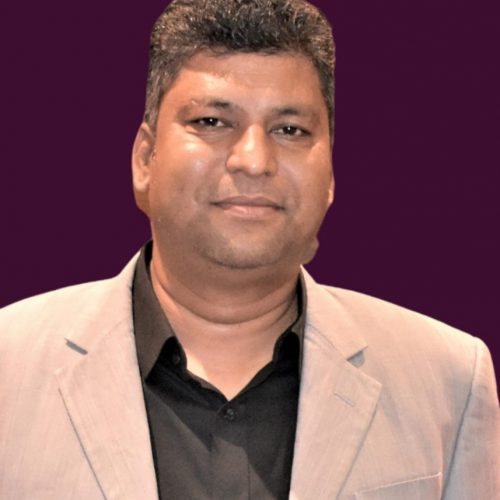
I’m Karan A., 24, born and raised in Andheri West, Mumbai. My father is a senior bank officer at Bank of Baroda, my mother is a homemaker. One younger sister doing her B.Com at Mithibai. Solid Punjabi middle-class household. Both my parents wanted me to be a doctor — not in a forceful way, but in a “we never had the chance, you can have it” way.
I prepared for NEET seriously. Allen Mumbai for two years (Class 11-12 dropped from regular school for full-time NEET prep), then a gap year at Aakash Borivali after my first attempt scored 472 in NEET 2022 (didn’t get into any private MBBS we could afford, didn’t get into any government college).
NEET 2023 attempt: scored 380. The cutoff for general category government MBBS that year was around 720. I wasn’t even in the conversation. I was 20 years old, two years of pure NEET prep behind me, and I had failed.
I cried for three days. Wouldn’t come out of my room. Wouldn’t eat. My father, who is generally not a sentimental man, came into my room on the fourth night, sat at the edge of my bed for almost an hour, and said: “Karan, the NEET system is broken. There are 1.5 lakh seats and 21 lakh aspirants. You are not a failure. We need to talk about other options now, with clear heads.” That was the night the family conversation about alternatives started.
The Indian Private MBBS Math (And Why It Didn’t Work)
The obvious next thought: private MBBS in India. We seriously explored this for about 8 weeks in July-August 2023. The numbers we found were:
- Government quota in private medical colleges (very limited, NEET cutoff still high): not realistic with 380
- Management quota in private medical colleges (Maharashtra/Karnataka): ₹85 lakh – ₹1.5 crore for 4.5 years tuition + hostel + capitation
- Deemed university medical colleges (KIMS, JSS, Manipal): ₹1.2 crore – ₹1.5 crore total
- NRI quota seats: ₹1.5 crore – ₹3 crore (US dollar denominated)
My father did the math openly with me, which I respect him for. With his Bank of Baroda salary, our Andheri flat (already mortgaged), my mother not working, and my sister’s B.Com still ongoing — we could realistically arrange ₹50-60 lakh through education loan, savings liquidation, and some help from my father’s brother in Dubai. That left us short by at least ₹40-90 lakh of any private Indian MBBS option.
One of my Allen classmates (who’d scored similar to me) was already exploring Russia, Ukraine (this was just before the war made it untenable), and Philippines for MBBS. I started reading. The picture was confusing — a lot of “MBBS abroad consultants” with aggressive Instagram ads, a lot of horror stories from Russian medical universities (poor English instruction, sketchy NMC recognition status, fake degrees in some cases), and very little clear information about which countries had legitimate, NMC-recognised, English-medium MBBS for Indians.
How Hungary Came Up
In late August 2023 my father attended a medical school information session at a Mumbai hotel hosted by a different consultant. He came back with a glossy Hungary brochure and showed it to me. The country immediately interested me for several reasons I’d researched:
- Semmelweis University Budapest, founded 1769 — one of Europe’s oldest medical universities. Top-3 medical school in Central Europe by reputation.
- Full English-medium MBBS — Semmelweis specifically runs a 6-year English Medicine program for international students, alongside its Hungarian-medium program. The English program has existed since 1983.
- Hungary EU Member, Schengen, NATO — degree is automatically recognised across the EU.
- NMC/MCI recognised in India — Semmelweis is on the NMC’s list of recognised foreign medical institutions for FMG-Examination eligibility (now renamed FMGE / soon NEXT). Indian students who graduate from Semmelweis can return to India and clear NEXT to register as MBBS doctors in India.
- Cost: EUR 16,000-17,000/year tuition × 6 years = EUR 96,000-102,000 total tuition. At then-exchange rate of ₹89/EUR, that’s roughly ₹85-91 lakh tuition. Plus living costs in Budapest of EUR 600-800/month × 72 months = EUR 43,000-58,000 (₹38-52 lakh).
- Total 6-year cost: roughly ₹1.25-1.45 crore — which is on par with private Indian MBBS but with EU degree recognition AND English-medium AND a higher-quality clinical training environment AND Schengen mobility.
The consultant my father had met was pushing a different Hungarian medical school (smaller, less reputable). I started searching for a consultant who specifically handled Semmelweis admissions. That’s when I came across Kadamb in a YouTube video on “Hungary MBBS for Indian students 2024.”
Finding Kadamb
I messaged Kadamb’s WhatsApp on September 4, 2023. Saumitra sir’s reply that evening was different from every other consultant I’d messaged — he asked me three questions before agreeing to a call: (1) what was your NEET score, (2) what is your family’s realistic budget, and (3) why specifically Hungary versus Georgia or Kazakhstan or Russia. No glossy brochure attached, no aggressive sales pitch, just three questions.
First Zoom call September 12, 2023 — 95 minutes. Saumitra sir was upfront: “Semmelweis is the right target if your goal is a Europe-quality MBBS that’s also NMC-recognised for India return. But Semmelweis has an entrance exam — Biology, Chemistry, English. You need to prepare for it. We’re not in Russian-style ‘pay-and-admit’ territory. Are you willing to do another 4-5 months of focused study?” I said yes. He said okay, here’s the plan.
The Semmelweis Entrance Exam
Semmelweis University requires international applicants to clear a written entrance examination, conducted in approximately 30 cities globally including Mumbai, New Delhi, and Bangalore in India. The exam covers:
- Biology (similar in scope to NEET Biology, slightly less depth on Indian-specific zoology)
- Chemistry (organic + inorganic + physical, similar to NEET Chemistry but with European focus)
- English (reading comprehension + medical vocabulary)
The good news: my NEET preparation, even with a 380 score, had built strong Biology and Chemistry foundations. The bad news: my Chemistry was actually weak (which is part of why my NEET score was low).
Between September 2023 and the exam date in mid-March 2024, here’s what we did:
September-October 2023: Diagnostic mock exam (Saumitra sir provided a Semmelweis-style sample paper from a previous year). I scored 64% — not strong enough. Identified Chemistry as the gap.
November 2023 – February 2024: 4 months of focused Chemistry prep at home, plus revision of Biology and English medical vocabulary. I worked with a Mumbai-based Chemistry tutor who’d previously coached Aakash students (₹15,000/month). Saumitra sir checked in monthly with practice paper assignments.
March 14, 2024: Semmelweis entrance exam at the Mumbai test centre. 3 hours, 100 questions across all three subjects. I came out feeling cautiously okay — knew I’d done well on Biology, decent on Chemistry, fine on English.
April 22, 2024: Result email from Semmelweis. Score: 78/100. Pass mark for the English MBBS program: 60. CONDITIONAL ADMISSION OFFER: M.D. in Medicine (English Program), September 2024 intake, contingent on document verification, medical fitness, and tuition fee deposit.
I called my father at his office. He was in a meeting and called me back 15 minutes later. When I told him the result, there was a long silence. Then he said: “Karan, get home tonight. We’re going out for dinner.” We hadn’t gone out for a family dinner in 2 years.
The Rejection (Yes, Even Here)
I had hedged. While preparing for Semmelweis, I’d also applied — at Saumitra sir’s suggestion — to one backup: the University of Debrecen English MBBS program (also in Hungary, also NMC-recognised, slightly cheaper at EUR 14,500/year, slightly less prestigious than Semmelweis).
February 2024 (before my Semmelweis exam): Debrecen rejection. Their reason: “We have received an unusually high number of qualified applications this cycle from India and have selected applicants whose English proficiency scores were higher.” Translation: my IELTS 6.5 wasn’t competitive against applicants with 7.5+. (For Semmelweis, my 6.5 was acceptable; for Debrecen that year, it wasn’t.)
I was disappointed but not crushed — Semmelweis was still in play. When I told Saumitra sir, his response was: “Debrecen is a different system. Their cutoffs vary year to year based on application volume. Don’t read this rejection as predictive for Semmelweis. Your real exam is in 4 weeks. Focus.” That advice held me steady.
The Family Decision
Even after the Semmelweis admission letter, the family decision wasn’t automatic. The math was real:
- Semmelweis 6-year tuition + living: ~₹1.30 crore
- Family arrangement: ₹50 lakh education loan from SBI + ₹35 lakh from my father’s PF early withdrawal + savings liquidation + ₹15 lakh from Dubai uncle = ~₹100 lakh available
- Shortfall: ~₹30 lakh, which would have to be funded through partial loan top-ups during my 4th-5th year + my mother’s gold jewelry (her words, not mine)
The disagreement was between my father and my mother. My father was prepared to do this. My mother was hesitant — not about Hungary, but about taking on this much debt and PF withdrawal. Her position: “We can manage Karan’s MBBS in Mumbai through some private quota even if the college isn’t top-tier, and avoid this much foreign-currency exposure.” My father’s counter: “Manjeet, we already explored that. The lowest private Mumbai MBBS quote was ₹1.1 crore. Hungary is the same money for a far better outcome.”
My mother’s final concession came after Saumitra sir got on a Zoom call with both my parents in May 2024 and walked them through:
- NMC recognition status (showed the official NMC list with Semmelweis on it)
- FMGE pass rates for Semmelweis Indian alumni (around 60-65%, vs ~16% for some Russian and Filipino schools)
- Hungarian medical degree EU-wide recognition (could practice in Germany, Austria, Switzerland, Netherlands without further exams)
- Student safety in Budapest (statistics, Indian community of 1,200+, Indian Embassy Budapest Indian Students Cell)
- Realistic post-graduation paths: NEXT exam India return (most Indian students), or EU Junior Doctor pathway (some Indian students)
After the call my mother said one sentence to my father in Punjabi which I remember exactly: “Theek hai. Karna hai. Saare zewar bech denge agar zarurat padi.” (Okay. Let’s do it. We’ll sell all the jewelry if we have to.) Loan papers signed June 2024.
Budapest — The Reality
I landed at Budapest Ferenc Liszt Airport on August 28, 2024, 32°C summer heat. Semmelweis had pre-arranged a single room at the Markusovszky College (one of the medical school’s residences for international students) at EUR 320/month. Orientation September 2. Classes started September 9.
Real cost numbers from my first 18 months:
- Rent (Markusovszky College, single room): EUR 320/month (Year 1) → EUR 380/month after I moved to a shared flat in District 8 in Year 2
- Groceries (Aldi + Lidl + Indian groceries from Király utca): EUR 180/month
- BKV monthly student transit pass: EUR 12/month
- Mobile + internet: EUR 18/month
- Eating out (mostly cheap canteen lunches at the medical campus + occasional Indian restaurant runs): EUR 70/month
- Medical books + lab coat + stethoscope (one-time hits, distributed): EUR 25/month average
- Misc + clothes for Hungarian winter: EUR 40/month average
- Total: roughly EUR 665-725/month depending on the year
Tuition is paid annually upfront in two installments (September + February). EUR 8,500 + EUR 8,500 = EUR 17,000 for Years 1-3, increasing slightly to EUR 17,500-18,000 for Years 4-6 (Semmelweis raises tuition modestly each year for new cohorts but my cohort is grandfathered for most increases).
The Semmelweis Curriculum (For Anyone Considering)
Semmelweis English MBBS is structured similarly to other major European medical programs:
- Years 1-2 (Pre-clinical): Anatomy, Histology, Biochemistry, Physiology, Medical Biology. Heavy lab work. Cadaver-based anatomy (not virtual). I’m not going to lie — first-year anatomy at Semmelweis broke many of my batchmates. Of the 240 international students who started in my year, around 35 either dropped out or repeated Year 1. I was lucky to clear all subjects on first attempt.
- Year 3: Pathology, Pharmacology, Microbiology, Public Health. Bridge year between pre-clinical and clinical.
- Years 4-5 (Clinical): Internal Medicine, Surgery, Pediatrics, Obstetrics-Gynecology, Psychiatry, all major specialties. Clinical rotations at Semmelweis-affiliated hospitals across Budapest. This is where the program quality really shows — Semmelweis Hospital itself is a major Central European tertiary care center.
- Year 6 (Final/Internship Year): Rotations + Final State Examinations. Currently I’m in Year 2 (writing this in April 2026). Rotations start for me in September 2027.
Indian student experience at Semmelweis is well-established — there are roughly 200+ Indian students currently across all 6 years. There’s an Indian Students Association (ISA Semmelweis) that runs orientation, exam prep groups, and an annual Holi celebration. The Embassy of India Budapest hosts Indian medical students for an annual reception.
The Adjustment Difficulty
Hungarian language is genuinely impossible — Finno-Ugric, no Indo-European overlap. For English MBBS students at Semmelweis, the curriculum is fully English so academic Hungarian isn’t required. But starting Year 4 (clinical rotations), basic medical Hungarian becomes necessary because patients in Budapest hospitals are mostly Hungarian-speaking, and you need to take patient histories in Hungarian.
Semmelweis includes a mandatory Medical Hungarian course in Years 1-3. I studied seriously. By end of Year 1 I could ask basic medical questions in Hungarian (“Where does it hurt? Since when? Are you taking medications?”). By Year 2 (now), I can take a basic patient history in Hungarian, with patients usually being patient with my broken accent.
But beyond the medical context — the broader cultural adjustment to Hungarian Budapest was harder than I expected. The Hungarian temperament is notably reserved compared to Mumbai. The food culture is heavy meat-and-paprika (challenging for me as a vegetarian — Hungarian vegetarian options exist but are limited; I cook most meals). Winter is properly cold (-10°C is not unusual in January).
I had a low patch in February 2025 (mid-Year 1, peak winter, peak anatomy load). I was studying 12 hours a day, sleeping 5, isolated from family. I called my mother in tears one Sunday and said I was thinking of quitting. She let me cry for 20 minutes, then said: “Karan, your father has put his Provident Fund in this. You will not quit. You will rest tonight, and tomorrow you will go to anatomy lab and you will keep going. We are with you.” I didn’t quit. By April the worst of Year 1 was behind me.
The Indian community at Semmelweis genuinely saved me. Sunday cricket on Margaret Island (yes, despite Hungarian winter — we play in coats), monthly group dinners at Saravanaa Bhavan Budapest, Diwali at the Embassy, exam-prep WhatsApp groups for every subject. I have 12 close Indian friends across batches. Two of them (Year 6 students) have been my informal mentors throughout.
The NEXT Exam Plan (India Return)
Like most Indian Semmelweis students, my plan after MBBS graduation (mid-2030) is to return to India and clear the NEXT (National Exit Test, replacing FMGE / NEET PG). NEXT is the unified medical licensing exam India is implementing — it serves both as the FMGE for foreign medical graduates AND as the entrance exam for postgraduate (MD/MS) seats.
Semmelweis Indian alumni FMGE/NEXT pass rates have historically been in the 60-65% range — significantly better than schools like Crimea Federal (15-20%) or many Filipino programs (25-30%). This is largely because Semmelweis curriculum aligns reasonably well with Indian medical education standards (cadaver anatomy, structured clinical rotations, full pathology and pharmacology depth).
My current plan:
- Years 5-6: parallel preparation for NEXT alongside clinical rotations (most Indian Semmelweis students do this)
- 2030 (graduation year): NEXT exam attempt
- If pass: Indian medical registration → 1-year compulsory rotating internship in India → MD/MS through NEXT-PG
- Backup: EU Junior Doctor pathway if NEXT doesn’t go well — Hungarian medical degree allows me to apply for residency positions in Germany, Austria, or Hungary directly
My personal preference is India return. I want to practice in Mumbai or Pune, ideally in family medicine or internal medicine. My father’s age (he’ll be 62 by then) is a factor too — I want to be physically close to my parents in their later years.
Cost Breakdown (My 18-Month Actuals)
| Item | Cost (INR) |
|---|---|
| Kadamb Overseas Semmelweis admission package | ~₹65,000 |
| Semmelweis entrance exam fee + Mumbai test centre logistics | ~₹18,000 |
| Chemistry tutor (4 months Mumbai) | ₹60,000 |
| IELTS exam (Sept 2023 attempt) | ₹16,500 |
| Document apostille (10th, 12th, IELTS, birth, character cert) | ₹14,800 |
| Hungary student visa (D-visa) at VFS Mumbai | ₹13,500 |
| Tuberculosis screening + medical fitness certificate | ₹4,200 |
| One-way flight Mumbai → Budapest (Lufthansa, Aug 2024) | ₹52,000 |
| First-month setup (residence deposit, sim, kitchen, lab coat, stethoscope, anatomy textbooks) | ~₹78,000 / EUR 870 |
| Year 1 tuition (EUR 16,500 @ ₹91/EUR) | ₹15,01,500 |
| Year 2 tuition (EUR 17,000 @ ₹91/EUR) | ₹15,47,000 |
| Year 1 living costs (EUR 700/mo × 12) | ₹7,64,400 |
| Year 2 living costs to date (EUR 720/mo × 6) | ₹3,93,120 |
| Total spent through Year 2 mid-point | ~₹44,28,020 |
Projected total for 6-year MBBS:
- 6 years tuition: EUR 102,000 = ~₹93 lakh
- 6 years living costs: EUR 50,000 = ~₹46 lakh
- Books + clinical materials + flights home (twice yearly): ~₹8 lakh
- Total projected: approximately ₹1.47 crore over 6 years
Loan structure: SBI Education Loan ₹50 lakh (interest-only payments during study, principal from Year 7 post-internship). Father’s PF withdrawal ₹35 lakh. Savings liquidation ₹15 lakh. Dubai uncle contribution ₹15 lakh. Plan to top up with ₹30-35 lakh additional loan in Year 4-5.
Kadamb Services I Used
- Profile evaluation + Hungary vs Russia vs Georgia vs Philippines comparison
- Semmelweis vs Debrecen vs Pecs vs Szeged comparison (university selection)
- Entrance exam strategy + diagnostic mock exam
- Semmelweis application portal support
- Backup university (Debrecen) parallel application
- Document apostille guidance for Hungary
- Hungary D-visa documentation + VFS Mumbai briefing
- Family Zoom call with my parents (May 2024)
- Pre-departure briefing (Budapest orientation, Markusovszky College tips, Indian community contacts at Semmelweis)
- Post-arrival check-in (call, week 4)
- Annual touch-base (December 2024 + December 2025) — Saumitra sir checks in on Indian Semmelweis students once a year, asks about exam progress and any issues
Honest Advice for Aspiring Hungary MBBS Students
- Hungary MBBS is not an “easy” path. It’s a different path. Semmelweis Year 1 anatomy is genuinely brutal. About 15% of international students drop out or repeat. Don’t go into this thinking it’s a way to escape NEET pressure — it’s a different kind of pressure.
- Choose Semmelweis or Debrecen, not the smaller Hungarian medical schools. The reputation difference matters for NEXT pass rates and for any EU residency pathway later. Smaller schools have weaker clinical rotations.
- Verify NMC recognition before you commit. The NMC list does change. Check the current list at the time of your application, not based on a year-old YouTube video.
- Budget for ₹1.4-1.5 crore over 6 years. The “₹85 lakh Hungary MBBS” figures you see online are usually tuition-only and outdated. Real total cost is significantly higher.
- Consider the EU Junior Doctor pathway as a real Plan B. If NEXT doesn’t work out post-graduation, Hungarian medical degree is a genuine entry point into German or Austrian residency programs (B2 German required for Germany, A2-B1 for Austria depending on the Bundesland).
- Do not go through random Instagram-ad consultants. Several of my batchmates ended up at sketchier Hungarian schools (not Semmelweis or Debrecen) because of poor consultant advice. Two of them have transferred or are planning to. Choose your consultant carefully.
Where I Am Today, April 2026
End of Year 2 at Semmelweis. Just cleared Pathology and Pharmacology midterms. Year 3 starts in September with Microbiology and Public Health. My Hungarian is at A2, my anatomy is solid, my clinical orientation begins next year. Indian community at Semmelweis remains my anchor — 6 of us have a regular Friday evening dinner at a small flat one of my Year 5 mentors rents in District 7. We talk medicine and India equally.
My parents visited me in Budapest in October 2025 — first time my mother left India after her honeymoon to Goa in 1996 (her words). My father walked through Semmelweis Hospital’s main building (where I’ll do clinical rotations starting Year 4), and didn’t say much but I could see he was emotional. My mother bought enough Hungarian paprika and Tokaj wine to fill a separate suitcase.
My sister keeps asking me when I’ll be home permanently. I tell her: 2030 if NEXT goes well. She’s planning to do her MBA in Mumbai by then. We’ll be back in the same city.
Considering Hungary MBBS for English Medicine?
If you’ve not cleared NEET for a government MBBS seat, can’t afford ₹1.5 crore private Indian MBBS, and want a Europe-quality medical education that’s NMC-recognised for Indian return — Hungary’s Semmelweis or Debrecen are the two serious options. But the consultant matters enormously. Talk to Kadamb. Same office, same Saumitra sir, same realistic process that got me from my NEET 380 to Semmelweis Year 2.
WhatsApp: +91 99133 33239
Phone: +91 99133 33239
Office: Ahmedabad, Gujarat (works fully remote with students across India)
— Karan A.
M.D. Medicine (English Program), Semmelweis University Budapest (2024-2030, Year 2)
Related reading:
- Study in Europe — Complete Guide for Indian Students
- Europe Scholarship Guide for Indian Students
- Free profile evaluation with Kadamb Overseas
Saumitra Rajput
Saumitra Rajput is the founder of Kadamb Overseas Pvt. Ltd., India's leading Europe-focused study abroad consultancy based in Ahmedabad. With 14+ years of expertise in European education, he has personally counselled 2,500+ Indian families and helped 500+ students secure admission to top European universities including TU Munich, ETH Zurich, EPFL, KU Leuven, HEC Paris, Sapienza Rome, TU Wien, and Warsaw University of Technology. He has visited 25+ European universities, partners with 250+ EU institutions, and maintains a 500+ students placed.
Planning to Study Abroad?
Get free expert guidance from our experienced counselors

Saumitra Rajput
Saumitra Rajput is the founder and lead counsellor at Kadamb Overseas, India's trusted Europe education consultancy based in Ahmedabad. With 14+ years of hands-on experience, he has personally guided 500+ students to universities across Germany, Switzerland, France, Italy, Austria, and Spain. Saumitra has visited partner universities across Europe, holds deep expertise in European visa processes, scholarships, and student life, and has achieved a 97% visa success rate for his clients. He is the host of the YouTube channel "Europe with Saumitra", where he shares first-hand insights on studying and living in Europe. His mission: make Europe accessible to every Indian student, with zero consultancy fees.

