

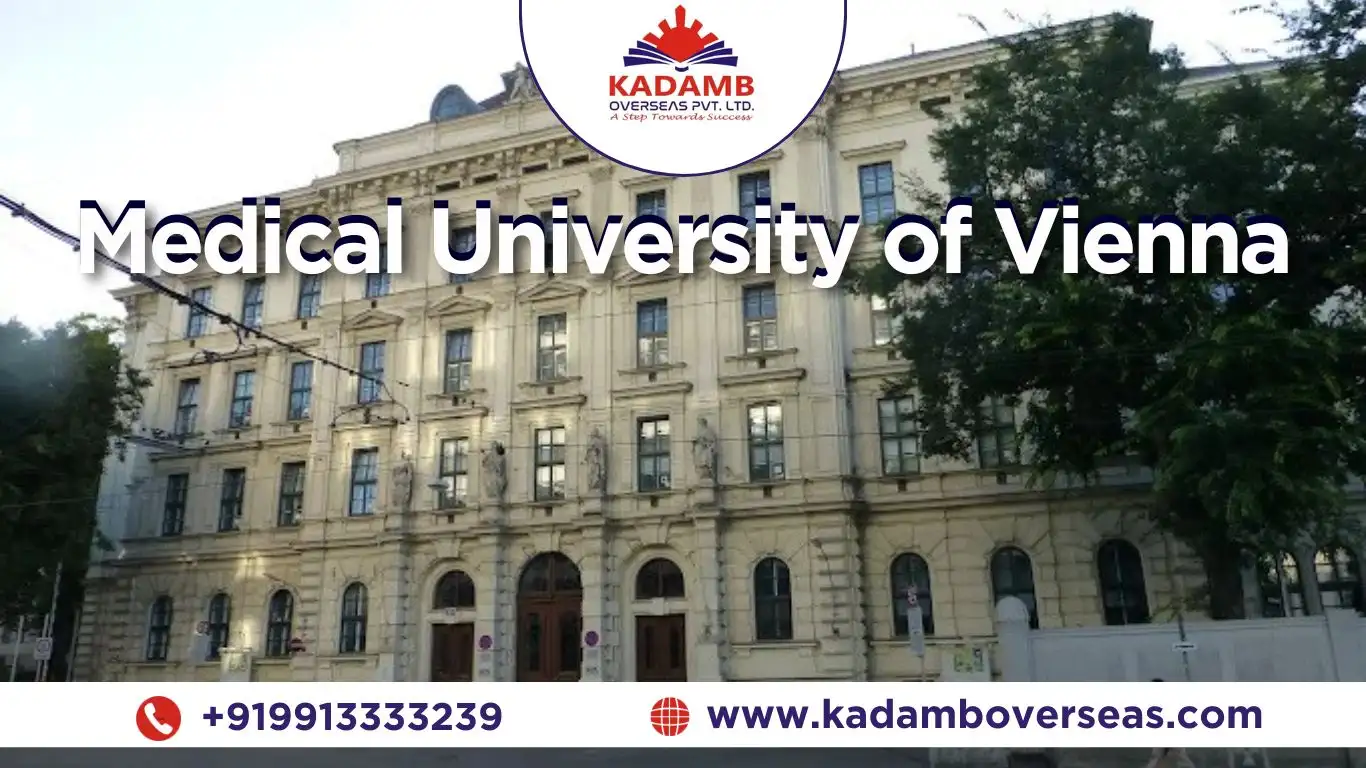
The Medical University of Vienna is one of the oldest and most respected medical institutions in Europe, with roots dating to 1365. It combines high-quality teaching and active research, attracting students from around the world who seek advanced medical education and clinical training.
Prospective applicants should familiarise themselves with tuition, scholarships and the admission process to plan a successful application to this Vienna medical university. For official details on programmes, fees and entry requirements visit the university’s admissions pages and guidance for international students.
Introduction to Medical University of Vienna
The Medical University of Vienna combines historic roots with modern medical teaching and research, drawing students worldwide to its programmes. With a broad range of clinical and scientific courses, the university is recognised as a leading Vienna medical institution for training future clinicians and researchers.
Key Takeaways
- Tuition and living costs vary by programme and residency status — check the official tuition pages for exact figures.
- A range of scholarships and research grants are available to eligible students to help with fees and living expenses.
- Admission rules and language requirements differ by programme — prepare academic documents and recognised language tests.
- The university’s reputation and range of medical programmes make it a strong choice for students seeking comprehensive clinical and research education in Vienna.
- Next step: visit the official admissions pages to verify entry criteria and deadlines for your chosen programme.
Medical University of Vienna Tuition Fees, Scholarships Eligibility, Admission
The Medical University of Vienna traces its institutional roots to medieval medical teaching and is widely recognised today as one of Austria’s leading medical research institutions. Combining clinical training with active research, the university attracts students and researchers from across the world and is central to Vienna’s reputation as a hub for medicine.
The university’s performance in international rankings and its research output underline its academic standing. It offers a wide range of programmes and specialisations across core areas such as:
- Medicine
- Dentistry
- Health sciences
Quick facts: the institution combines historic legacy with modern facilities and is a major research institution in Austria — for detailed figures on student numbers, faculties and recent rankings, consult the official Medical University of Vienna website linked below.
For more information, visit the Medical University of Vienna site for official programme listings and the latest ranking and research information.
Campus Facilities and Learning Environment
The Medical University of Vienna combines historic buildings with modern teaching and research facilities to support both clinical training and laboratory-based medical research. Key campus resources include well-equipped laboratories, specialist clinical skills centres and extensive library collections that support students and faculty in their teaching and research activities.
When estimating the Cost of Attendance at this university vienna medical campus, remember to include tuition, accommodation, study materials and health insurance. The campus environment is designed to support international students with academic advising, career services and practical training opportunities.
Highlights of the learning environment include:
- Advanced laboratories and clinical skills centres supporting hands-on training and research
- Modern lecture halls and small-group teaching rooms for problem-based learning
- Comprehensive libraries, online databases and e-resources for coursework and medical research
- Student support services including academic advising, career counselling and clinical placements
If you are budgeting, add expected costs for equipment and course-specific materials to your living-cost estimate; the university vienna pages list programme-specific expenses and training requirements for each faculty.
Medical University of Vienna Admission Requirements for International Students
International applicants to the Medical University of Vienna must meet programme-specific academic and language requirements. Entry criteria vary by faculty and level of study; read the official admissions information for the exact prerequisites for your chosen programme.
Academic prerequisites
Most undergraduate applicants should hold a recognised secondary qualification equivalent to Austrian school-leaving credentials; postgraduate applicants require a relevant degree. Rather than a fixed GPA, admissions teams assess equivalence of your diploma and transcripts — check the university’s conversion guidance if you are applying from outside Europe.
Language proficiency
Many programmes are taught in German; some postgraduate courses use English. Applicants must provide recognised language test results (for example TOEFL or IELTS for English, or DSH/ÖSD for German) where required — check the programme page for minimum scores accepted.
Because requirements differ, prospective students should confirm academic equivalence and language needs early and prepare certified translations of all documents where necessary.
Application process and deadlines at Medical University of Vienna
The application process to this medical university vienna typically requires an online application, certified transcripts, proof of language proficiency and an application fee where applicable. Deadlines vary by programme and intake — check the official admissions portal for exact dates and open application windows.
Helpful application tips for applicants:
- Prepare certified copies and translations of academic transcripts and diplomas.
- Book and complete required language tests well before the deadline.
- Check the admissions page for programme-specific entrance exams or interviews and plan accordingly.
For the most reliable guidance, applicants should consult the Medical University of Vienna admissions portal and international office — these sources list the current entrance requirements, accepted language tests and the application timeline for each programme.

Medical University of Vienna Tuition Fees and Costs
Tuition at the Medical University of Vienna varies by degree level, nationality and programme. In addition to tuition, applicants should budget for living costs, health insurance and programme-specific training or equipment. For official and programme-specific figures, consult the university vienna tuition pages linked below.
Undergraduate programme fees (estimated) for International students
Undergraduate fees differ for EU/EEA and non‑EU students and can change yearly. As an indication (estimates only):
- EU/EEA students: roughly €700–€800 per semester (estimated)
- Non‑EU students: rates are higher; indicative figure ~€1,200–€1,600 per semester
Graduate programme fees (estimated) for student
Graduate fees vary by degree and faculty; as an indication:
- EU/EEA students: approximately €900–€1,200 per semester
- Non‑EU students: typically higher, roughly €2,000–€3,000 per semester depending on the programme
Additional educational expenses
Beyond tuition, students should budget for accommodation, course materials, clinical training fees and health insurance. Example: a full academic year (two semesters) combining tuition, accommodation and basic living costs can range widely — many international students budget €12,000–€20,000 per year as a working estimate.
All figures above are indicative — fees change and vary by faculty and academic year. Always check the official Medical University of Vienna tuition and admissions pages for current charges and exact programme costs.
Living Expenses in Vienna for International students
Vienna offers a high quality of life but a relatively high cost of living compared with many European cities. The Medical University of Vienna provides scholarship opportunities and other financial support to help eligible students manage living costs.
When budgeting, include accommodation (on‑campus or private), food, transport and incidental expenses. Use the university’s housing pages and local cost calculators to refine estimates; the link in the fees section points to helpful resources.
Typical monthly estimates (illustrative):
- Accommodation (private/shared): €800–€1,200
- Food: €500–€800
- Public transport: €50–€100
- Miscellaneous (books, leisure, phone): €200–€500
A practical monthly target for many students is €1,500–€2,500, depending on housing choices. To reduce costs: consider shared flats, student canteen options, and discounted student transport passes. For up-to-date scholarship and housing information see the university’s financial aid and accommodation pages.
Medical University of Vienna Scholarship Opportunities and Financial Aid
The Medical University of Vienna offers several scholarship opportunities and financial-aid routes designed to reduce the cost of study and living for eligible students. Support ranges from merit-based awards to need-based assistance and targeted research grants for students involved in medical research projects.
Common types of support include:
- Merit-based scholarships awarded for outstanding academic performance and potential in medicine
- Need-based financial assistance for candidates who demonstrate a verified financial shortfall
- Research grants and fellowships for students engaged in medical research and clinical projects
Practical tips: prepare a strong academic CV, letters of recommendation and a concise research proposal if applying for research funding; meet application deadlines and submit clear evidence of financial need for need-based awards. The university’s scholarship portal (see admissions pages) lists named scholarships, eligibility and closing dates.
These medical research–linked funding routes support tuition, living costs and project expenses — check programme pages for research-specific grants and contact the university’s research office for guidance on eligibility and application strategy.
Student Visa Requirements for US Citizens
Visa and residence-permit rules differ by nationality and intended length of stay. US citizens planning studies at the Medical University of Vienna should check the Austrian government and embassy guidance early in their planning. The university’s international office can provide supporting documents, but official visa requirements and minimum financial guarantees are set by Austrian immigration authorities.
Typical documents required for a student residence permit include an up-to-date passport, the university’s letter of acceptance, proof of sufficient financial means, and adequate health insurance. Processing times can vary — allow several weeks to a few months, and apply well before your intended travel date.
- Valid passport (with sufficient validity)
- Official proof of acceptance from the Medical University of Vienna
- Evidence of financial resources (bank statements or guarantor documentation)
- Health insurance covering your stay (as required by Austrian authorities)
For precise, up-to-date requirements and to obtain any university letters you may need, contact the Medical University of Vienna international office and consult the Austrian embassy/consulate website for your area. Start the process early — practical preparation will reduce delays and help confirm your place on the chosen programme.
Housing Options and Accommodation
The Medical University of Vienna supports a range of housing options. Students can apply for on‑campus accommodation (limited availability) or seek private housing — shared flats and single rooms are common choices. On‑campus living is convenient for new international students and helps build community, while private accommodation offers more independence.
When comparing options, consider proximity to campus and public transport, total monthly cost (rent plus utilities), and on-site amenities such as kitchens, laundry and study spaces. The university housing office provides listings and advice — apply early, especially for on‑campus places, and check waiting-list procedures.
Practical tips: arrange temporary accommodation for your arrival, inspect contracts carefully (deposit, notice period), and use university-recommended portals or student groups to avoid scams. If you need help, contact the international office or housing services for guidance.
Academic Calendar and Program Duration
The Medical University of Vienna follows a standard academic calendar aligned with the Austrian higher‑education system. Most programmes run over two semesters (autumn and spring) with scheduled teaching periods and defined examination windows — important when planning enrolment, mobility or clinical placements.
Programme duration varies by degree: undergraduate medicine programmes typically span several years (check the specific medicine programme page for exact year counts), while many graduate programmes range from one to three years depending on the degree and part‑time options. Always consult the official academic calendar and programme pages for exact start dates, term dates and assessment periods.
- Standard two‑semester academic year (autumn/spring) with defined teaching and exam periods
- Varying programme duration by level: undergraduate, graduate and doctoral programmes differ in length
- Plan using the official academic calendar to align studies, clinical training and any mobility or exchange periods
For exact programme duration (for example, years required to complete the medicine degree) and term dates, refer to the official programme pages and academic calendar on the Medical University of Vienna website before applying or making travel arrangements.
Student Support Services at Medical University of Vienna
The Medical University of Vienna provides a comprehensive suite of student support services designed to help students succeed academically and professionally. Services are delivered by dedicated teams across faculties and include academic guidance, career support and health provisions to meet diverse student needs.
Key services include:
- Academic advising — subject and programme guidance to help students plan modules, clinical placements and progression
- Career services — CV and interview preparation, employer events and placements to support transition into clinical and research roles
- Health insurance and medical care — guidance on mandatory coverage and access to local health services for students
The university’s faculty teams also provide discipline-specific teaching support and training workshops. For practical help — for example, to contact academic advisors or arrange career appointments — students should consult the Medical University of Vienna student services and international office pages for contact details and opening hours.
Research Opportunities and Clinical Practice
The Medical University of Vienna is a major medical research institution in Austria, offering students direct access to clinical practice and research projects. Students can participate in laboratory work, clinical rotations and supervised research that build practical skills and support career development in medicine.
Key strengths include close collaboration with leading hospitals and research centres, access to advanced facilities and equipment, and supervised projects that often lead to publishable work. The university frequently hosts research grants and fellowships — students interested in medical research should consult faculty pages for current projects and funding opportunities.
Some focal areas where students can gain hands-on experience include:
- Clinical placements and rotations with partner hospitals
- Laboratory-based medical research and translational projects
- Supervised collaborations with experienced clinicians and researchers
If you are seeking medical research funding, look for faculty-led projects and advertised research fellowships; prepare a concise research proposal, strong academic references and a CV highlighting relevant training. Contact the university’s research office for guidance on current grants, eligibility and application procedures to maximise your chances of receiving support.
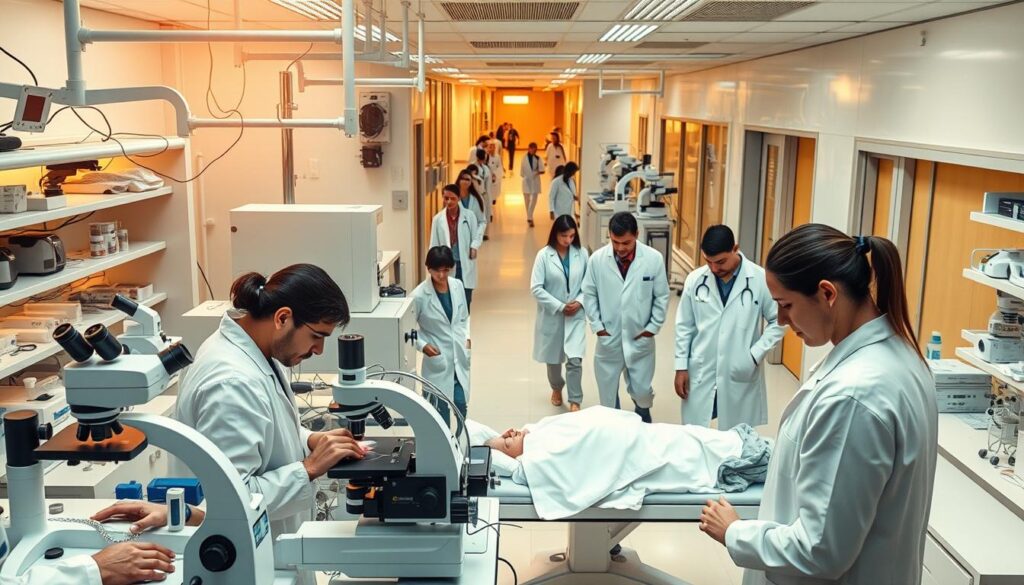
Overall, the Medical University of Vienna combines medical research, clinical practice and student support to create a strong training environment for future clinicians and researchers.
International Student Life in Vienna
Vienna offers international students a rich cultural life and reliable public services — museums, concerts, cafés and parks are all within easy reach. The city is widely regarded for its high quality of life, and students at the Medical University of Vienna benefit from being in a vibrant, student-friendly capital.
Student life includes numerous societies, cultural events and sports clubs. Practical tips: get a student transport pass, register for a library card, and look for student discounts at theatres and museums to make the most of Vienna on a budget.
Overall, Vienna is an excellent city for international students — culturally rich, well connected and welcoming — making it an attractive place to study and enjoy life outside the classroom.
Conclusion
The Medical University of Vienna is widely recognised for combining historic strengths with modern research and clinical training. Prospective students can expect rigorous teaching, access to research-led faculties and a supportive learning environment in the heart of Vienna.
If you are ready to take the next step, visit the university vienna admissions and scholarship pages for programme details, up-to-date fees and application guidance to begin your medical studies and training.