


Global College Malta offers competitive tuition fees that suit a range of international students. The average tuition fee varies depending on the program but typically falls between €5,000 and €12,000 per year, making it an affordable option for quality education in Europe.
Admission requires academic transcripts, proof of English proficiency, and sometimes an interview or portfolio, depending on the course. Scholarships are available for outstanding students, providing financial support based on merit or specific criteria.
In global rankings, Global College Malta is recognized but does not appear in the top QS World University Rankings. However, its growing reputation is supported by strategic partnerships and accreditation that assure academic standards.
Global College Malta Tuition Fees
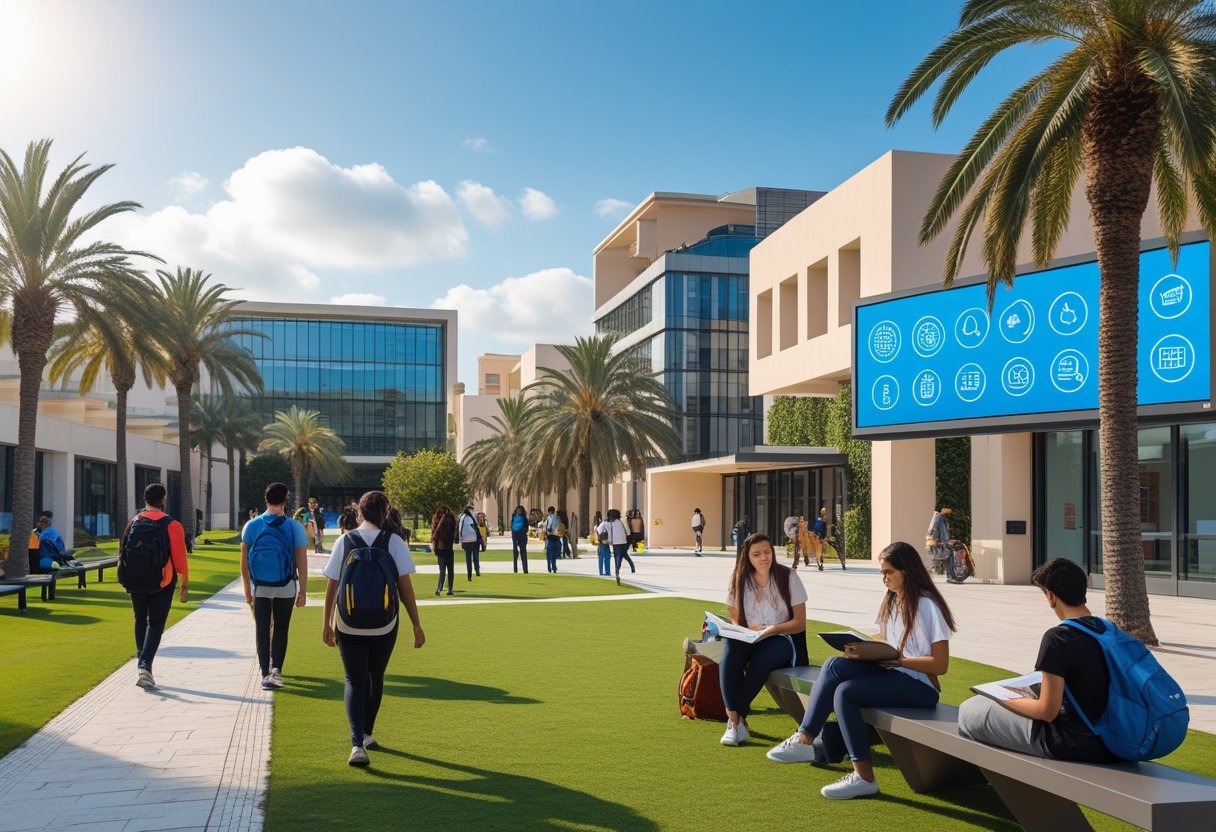
Tuition fees at Global College Malta vary depending on the level of study and program chosen. Additional costs related to materials and activities may apply, influencing the total expenses.
Undergraduate Program Tuition Fees
Undergraduate tuition fees typically range between €6,000 and €10,000 per academic year. The variation depends on the specific bachelor’s degree and course duration, usually three years.
Fees are payable in installments, with the first payment due upon enrollment. Some programs may include lab or fieldwork fees, which are charged separately.
International students are subject to the same fee structure but must account for additional visa and insurance costs. Financial planning should consider these factors.
Postgraduate Program Tuition Fees
Postgraduate programs at Global College Malta generally cost between €7,000 and €12,000 per year. Master’s degrees often span one to two years, affecting total tuition.
Certain specialized courses, such as in business or technology, may have higher fees reflecting their industry relevance. Part-time study options could adjust overall costs.
Students must check if thesis supervision or project work incurs extra charges. Payment schedules vary but usually follow a semester or yearly basis.
Additional Costs and Miscellaneous Fees
Beyond tuition, students should budget for registration fees, which average €300 annually. Course materials and textbooks can add several hundred euros per year.
Accommodation, transportation, and health insurance are not included in tuition fees but are essential expenses for planning. Some programs may require fees for exams or certification processes.
Global College Malta occasionally charges fees for extracurricular activities, workshops, or access to specific campus facilities. Prospective students should inquire about these before enrollment.
Admission Requirements

Global College Malta expects applicants to meet specific academic and language standards. The application process involves submitting necessary documents, meeting deadlines, and following clear steps.
Academic Qualifications
Applicants must hold a recognized secondary school leaving certificate or equivalent. For undergraduate programs, the minimum requirement is the completion of 12 years of formal education with satisfactory grades.
Graduate program candidates need a relevant bachelor’s degree from an accredited institution. Some courses might require additional prerequisites or portfolio submissions.
Transcripts and certification must be officially translated into English if issued in another language. Equivalent qualifications from international education systems are accepted after evaluation.
Language Proficiency Criteria
English proficiency is mandatory for non-native speakers. Accepted tests include IELTS (minimum 6.0 overall with no band below 5.5), TOEFL iBT (minimum 72), or equivalent.
Some programs may set higher language requirements depending on course complexity. Alternative evidence of proficiency, such as previous education in English, may be considered.
Applicants must submit valid test results dated within two years prior to application. Language proficiency scores ensure preparedness for academic coursework.
Application Procedure
Candidates submit an online application via the college portal, attaching academic transcripts, language certificates, and identification documents.
A non-refundable application fee is required. After review, applicants may receive an interview invite or additional information requests.
Final admission offers are sent by email, including instructions for enrollment and payment of tuition fees. Early application is advised due to limited seats.
Scholarship Opportunities
Global College Malta offers several financial support options to make education more affordable. These include scholarships based on academic merit, financial need, and external funding sources available to eligible students.
Merit-Based Scholarships
Merit-based scholarships at Global College Malta reward students with strong academic records, leadership skills, or outstanding achievements. These scholarships typically require a minimum GPA or equivalent examination results for eligibility.
Awards can cover partial or full tuition fees and sometimes include allowances for books or living expenses. Applications usually involve submitting transcripts, recommendation letters, and a personal statement.
Deadlines and scholarship amounts vary each academic year. High-performing students are encouraged to apply early, as competition can be intense and funds are limited.
Need-Based Financial Aid
Need-based financial aid supports students who demonstrate limited financial resources. Eligibility depends on an assessment of household income, assets, and other financial factors.
Students must provide comprehensive documentation, including income proof and cost of living statements. This aid often complements merit-based awards or covers expenses not included by other scholarships.
The college reviews applications confidentially to ensure funds reach those most in need. Regular re-evaluation may be required to maintain eligibility throughout the study period.
External Scholarship Resources
Students at Global College Malta can access external scholarships from organizations and governments. These include scholarships provided by the Maltese government, international foundations, and multinational companies.
Some programs require students to pursue specific fields of study or commit to working with sponsoring organizations after graduation. Application processes vary significantly depending on the provider.
Students are advised to research deadlines and criteria thoroughly. The college’s student services provide guidance to help identify relevant external funding opportunities.
QS World Ranking Overview
This section highlights Global College Malta’s position in global higher education standings and explains the criteria used to determine its rank. It provides a clear view of its performance metrics and the evaluation process applied by QS.
Global College Malta Ranking Performance
Global College Malta is currently ranked among regional institutions but does not appear near the top of the global QS World University Rankings. Its placement reflects factors such as graduate employability and academic reputation, which are critical for its niche focus.
The college tends to perform better in subjects related to tourism and business studies, where it has developed strong industry links. This sector-specific strength impacts its overall ranking, which remains modest compared to larger universities.
Ranking Methodology Explained
QS rankings rely on six key indicators: academic reputation (40%), employer reputation (10%), faculty/student ratio (20%), citations per faculty (20%), international faculty ratio (5%), and international student ratio (5%). These factors aim to provide a balanced measure of educational quality and global impact.
The data sources include faculty surveys, employer surveys, and research databases. The heavy weight on reputation and research output explains why larger research universities often dominate the rankings. For Global College Malta, strengths in employer reputation and faculty/student ratio influence its position most.
International Student Information
International students must navigate specific requirements for entry and stay in Malta while accessing dedicated campus support. Understanding visa processes and available services is essential for a smooth transition.
Visa and Immigration Guidance
Students from non-EU countries need a student visa to study at Global College Malta. The visa application requires acceptance from the college, proof of financial means, valid travel insurance, and accommodation details.
The visa process begins with submitting documents to the Maltese consulate or embassy in the student’s home country. Approval typically takes 4-6 weeks. After arriving, students must register with the Maltese Immigration Office within a specified timeframe to obtain a residence permit.
EU and EEA nationals do not need visas but must still register with local authorities. The college provides detailed instructions and assistance to ensure all immigration steps meet Maltese legal requirements.
Support Services for International Students
Global College Malta offers tailored support through its International Student Office. Services include orientation sessions, help with housing, and advice on legal and health matters.
Language assistance is available for non-English speakers. The college also organizes social events to help students integrate into campus life.
Academic support and career counseling specifically address challenges faced by international students adapting to a new education system and job market.
Campus Life and Facilities
Global College Malta offers a structured environment that supports both living and learning effectively. Facilities are designed to meet student needs, creating a balance between academic focus and personal well-being.
Student Accommodation Options
Global College Malta provides several accommodation types, including shared apartments and private rooms. Most options are within walking distance of the campus, which helps students save commute time.
Housing features include furnished rooms, Wi-Fi access, and communal kitchens. The college assists students in finding safe and affordable accommodations suited to different budgets.
Security measures such as keycard entry and on-site staff are standard. Students can also find off-campus housing in nearby areas, but must ensure the location is convenient.
Academic and Recreational Resources
The campus includes modern classrooms equipped with multimedia tools to enhance learning. There is a dedicated library with digital and physical resources across various subjects.
Students have access to computer labs, study lounges, and tutoring services. Recreational facilities include a fitness center, outdoor sports courts, and social spaces designed to foster community interaction.
Workshops, seminars, and cultural events are regularly held, giving students opportunities to engage beyond their coursework. These resources support a balanced academic and social experience.
Career Prospects and Alumni Success
Global College Malta equips students with skills that meet industry standards. Graduates benefit from targeted career support and strong professional connections.
Graduate Employability
Global College Malta reports a high graduate employment rate within six months of finishing studies. The curriculum integrates practical experience and industry-relevant projects, enhancing job readiness.
Fields such as business management, IT, and hospitality often see the highest placement rates. The college maintains partnerships with local and international companies, offering internships that frequently lead to full-time jobs.
Career services include resume workshops, interview preparation, and job fairs. This support helps students navigate employment markets efficiently and secure relevant positions.
Alumni Network Connections
The alumni network plays a significant role in career advancement. Graduates gain access to exclusive events, mentoring programs, and industry seminars.
The network spans Europe and beyond, connecting former students in diverse industries. This fosters opportunities for collaborations, job referrals, and professional growth.
Active alumni chapters help maintain engagement and support lifelong learning. They also contribute to shaping college programs to align with evolving job market demands.
Frequently Asked Questions
Global College Malta’s tuition fees vary by program but generally fall within a specific range for international students. Admission requires meeting academic and language standards, with some scholarship options available. The QS World University Rankings do not currently list Global College Malta.
What are the tuition fees for international students at Global College Malta?
Tuition fees typically range from €6,000 to €12,000 per academic year, depending on the course. Fees for specialized or professional programs may be higher.
What are the admission requirements for Global College Malta?
Applicants must have completed secondary education or equivalent and demonstrate proficiency in English. Specific requirements can vary by program and level of study.
Does Global College Malta offer scholarships or financial aid?
Yes, scholarships are available based on academic merit, financial need, and specific programs. Financial aid options are limited but can help reduce the tuition burden.
How does the QS World University Rankings rate Global College Malta?
Global College Malta is not currently ranked in the QS World University Rankings. It is a smaller institution focused on specialized programs.
Is there an application fee for Global College Malta, and how much is it?
There is an application fee of approximately €50. This fee is non-refundable and applies to all prospective students.
How does Global College Malta compare to the University of Malta in terms of academic reputation?
The University of Malta has a longer history and broader academic recognition, reflected in international rankings. Global College Malta is more niche-focused and less widely recognized in academic rankings.