Studying in Spain offers Indian students a balance of quality education and affordability. The overall cost varies depending on the city, university, and course of study, but generally, it is lower than many other European countries. Tuition fees for Indian students in Spain typically range from €1,000 to €3,500 per year, with living expenses averaging around €700 to...Read More
The University of the Algarve offers competitive tuition fees for both undergraduate and postgraduate programs, making it an attractive choice for many students. Tuition fees vary depending on the course and study level, typically ranging from approximately €1,000 to €3,500 per year for EU students, with higher rates for international students. Admission requirements generally include a...Read More
The University of Minho offers competitive tuition fees that vary depending on the program and level of study, making it an accessible choice for many international and local students. Its admission requirements are straightforward, generally including academic transcripts, language proficiency, and specific course prerequisites. Scholarship opportunities at the University of Minho are available for both undergraduate and postgraduate students, aiming...Read More
The Catholic University of Portugal offers tuition fees that reflect the actual costs of each program, varying depending on equipment, facilities, and laboratory needs. Students should review the specific fees for their chosen academic unit, as tuition is not subsidized by the state and differs across courses. Admission requirements differ for domestic and international students, with...Read More
The Polytechnic of Leiria offers competitive tuition fees that vary depending on the program and level of study. Tuition fees typically range from moderate to affordable compared to other European institutions, making it an attractive option for both domestic and international students. Admission requirements focus on academic qualifications relevant to the chosen course, with additional criteria for international...Read More
Global College Malta offers competitive tuition fees that suit a range of international students. The average tuition fee varies depending on the program but typically falls between €5,000 and €12,000 per year, making it an affordable option for quality education in Europe. Admission requires academic transcripts, proof of English proficiency, and sometimes an interview or portfolio, depending on...Read More
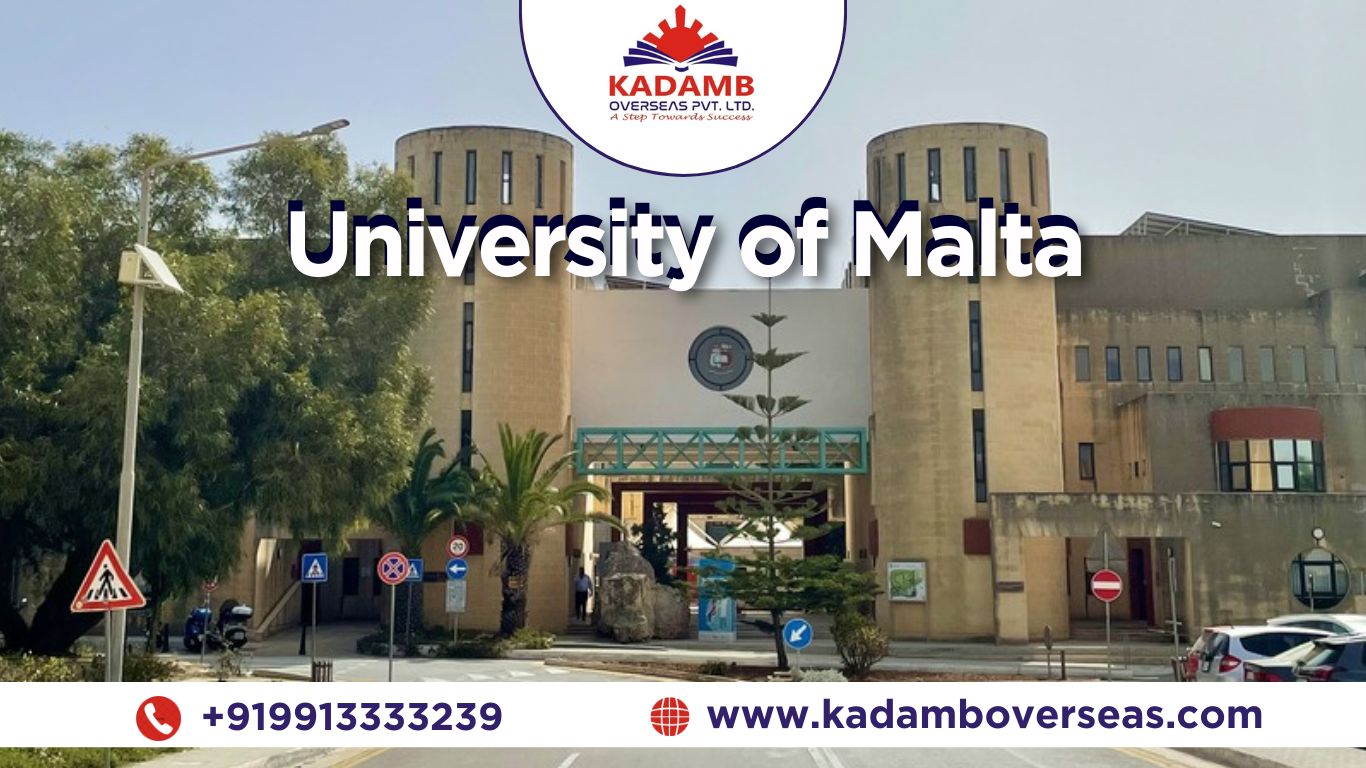
University of Malta Tuition Fees vary by program, level and residency: EU (including Maltese) students benefit from subsidized rates while non‑EU (international) students generally pay higher fees. Admission requirements differ by faculty but typically require recognized secondary qualifications for undergraduate entry and a relevant bachelor’s degree for postgraduate study. The university publishes scholarships and financial‑aid options for both EU and non‑EU students (merit‑based, need‑based and international grants); check the scholarships section below for how these can reduce tuition and living costs. The University of Malta is listed in the QS World University Rankings (see the rankings section for the current band and explanation). For clarity, this guide focuses on University of Malta fees and admissions — not to be confused with the American University of Malta — and helps prospective students estimate costs, admission steps, and support options. See program-specific fees below or consult the University of Malta site for the latest official rates. University of Malta Tuition Fees Overview Tuition fees at the University of Malta vary by level (undergraduate, postgraduate), by program or course, and by residency status. The university sets different fee bands for Maltese/EU students and international (non‑EU) students, so it’s important to check program‑specific rates on the official fee pages — figures below are indicative and may vary depending on the program and academic year. Undergraduate Tuition Fees Structure For full‑time undergraduate students, Maltese and EU students typically pay heavily subsidized fees (often a low fixed contribution each academic year). International students (non‑EU) pay substantially higher tuition: indicative ranges for many bachelor programs are roughly €9,000–€12,000 per academic year. These ranges are program-dependent — professional degrees (medicine, certain engineering or laboratory‑intensive courses) can incur higher tuition or additional lab/equipment fees. What tuition typically covers: core teaching, access to campus resources and assessment. What it usually does not cover: registration charges, exam fees, optional field trips, special course materials or equipment — those may be charged separately. Postgraduate Tuition Fees Structure Postgraduate master’s fees for EU students commonly fall in a midrange (for many programs roughly €1,500–€2,500 per year), while part‑time postgraduate study is often charged per ECTS credit. International postgraduate students should expect higher rates — starting around €12,000 per year for many professional or specialized master’s programs, though some research‑led degrees and PhD programs may have different arrangements, including tuition waivers or reduced fees for funded research students. Example program differences: a laboratory‑heavy engineering program or the Medicine degree normally costs more than a humanities program because of extra facilities, placements, or professional accreditations — check faculty pages for exact program fees. International Student Fee Differences International students (non‑EU) should plan for higher tuition and additional mandatory costs such as visa fees, health insurance and living expenses. Indicative undergraduate international tuition commonly falls in the €9,000–€12,000 band, while some specialized programs or private arrangements may list higher maximums — always verify the exact “12,000 per” program rate on the official university fee schedule. Action steps: consult the University of Malta’s official fees page for program-specific tuition, check whether your chosen program has extra equipment or placement fees, and contact the university fees office for up‑to‑date figures. If you are comparing options, note that the University of Malta is the national public university (distinct from the American University of Malta), and fees and funding vary accordingly. Admission Requirements at University of Malta Admissions at the University of Malta are faculty‑specific: academic requirements, documentation and the application process differ between undergraduate and postgraduate courses. Below is a concise, copy‑ready checklist to help applicants prepare — international students should read the “International applicants — extra steps” note. Undergraduate Entry Criteria Typical requirements: Recognized secondary school leaving certificate or equivalent to the Maltese Matriculation Certificate. Strong grades in subject(s) relevant to the chosen course (e.g., high math for engineering; science prerequisites for medicine). Some programs require entrance exams or interviews — check the faculty page for specifics. Example: Medicine often requires specific science subjects and an interview; Engineering may require a strong math background — always verify program prerequisites on the official faculty page. Postgraduate Application Conditions Typical requirements for master’s and doctoral programs: A relevant bachelor’s degree (or equivalent) with the minimum class/grade required by the faculty — grade thresholds vary by program (2:2 may be acceptable for some courses but many demand a higher class). For research degrees, a research proposal and evidence of research ability can strengthen an application. Certain professional master’s programs may ask for documented work experience or entrance assessments. Tip: If your degree classification system differs from Malta’s, use the university’s qualification comparability guidance or contact admissions to confirm equivalence. Required Documentation Common documents to upload in the online application:...Read More
The American University of Malta offers competitive tuition fees compared to other European institutions, making it an attractive option for international students. Tuition fees vary by program but generally range between €4,000 and €12,000 per academic year, with clear admission requirements including a high school diploma and proof of English proficiency. Scholarship opportunities are available to help offset...Read More
The University of Évora offers competitive tuition fees that make it an attractive option for both local and international students. Tuition fees vary depending on the program but generally remain affordable compared to other European universities. Admission requirements include academic transcripts, proof of language proficiency, and specific criteria depending on the degree level. Scholarships are available to...Read More
The University of the Azores offers competitive tuition fees that vary depending on the program and level of study. Tuition fees generally range from affordable rates for undergraduate courses to higher costs for specialized graduate programs, making it accessible for a broad range of students. Admission requirements focus on academic qualifications and language proficiency, ensuring candidates meet...Read More